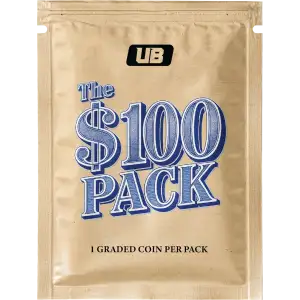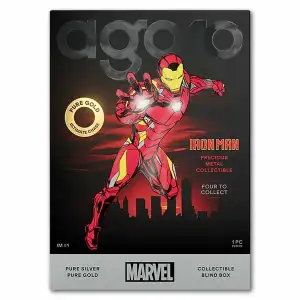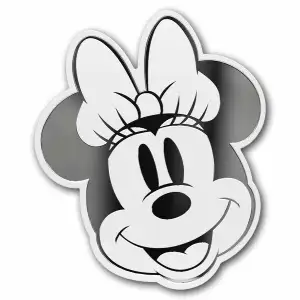
"Halloween silver" is not a product line from any single mint. It is a seasonal label for three different things: privately made silver rounds with spooky designs, government-issued legal-tender coins with a haunted theme, and hand-poured art bars. All three can carry the same amount of silver and still be priced very differently, because the price above the metal pays for design, finish and mintage rather than for silver.
This guide explains how to tell the three apart, what the stamp on each one actually promises, and what happens to paint, glow effects and toning when a piece is eventually sold back.
Three things sold as Halloween silver bullion
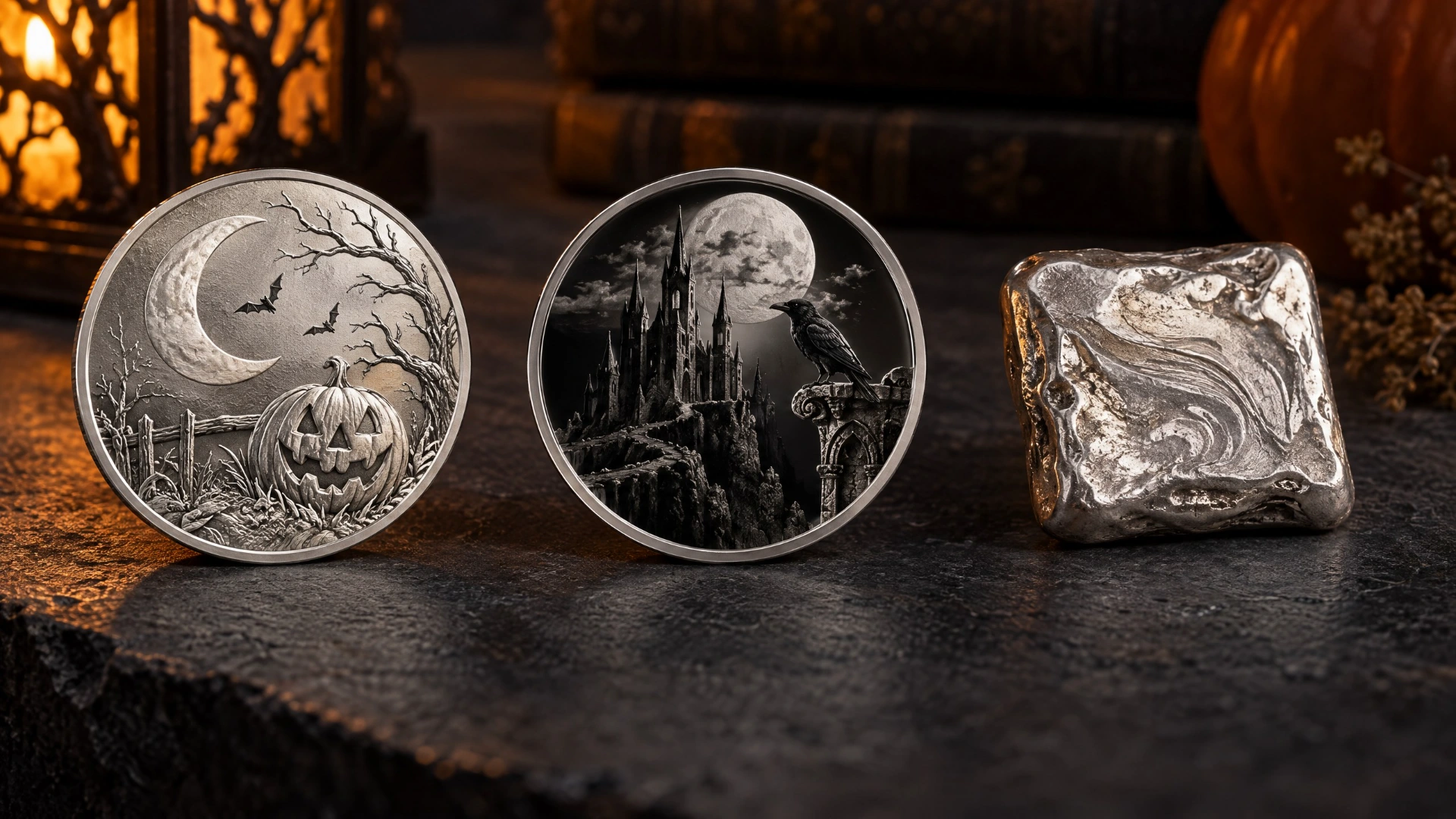
Halloween-themed silver mostly comes in three forms, and the difference is who made it and what it legally is. The theme is the same; the category is not.
| Form | Who issues it | Face value | What sets the price above silver |
|---|---|---|---|
| Silver round | A private mint or refiner | None. A round is not money | Design, mintage cap, finish, packaging |
| Legal-tender coin | A national mint, under government authority | Yes, normally below the metal's value on bullion-weight coins | Mint brand, proof finish, color or glow effects, mintage |
| Poured art bar | A private maker, cast by hand | None | Design, hand finishing, weight variation, toning |
Seasonal silver rounds are the private-mint end of the category. A silver round is a coin-shaped piece of silver struck by a private mint. It looks like a coin but carries no face value and is not issued by a government. A legal-tender coin is struck by or for a national government and carries a denomination. We cover that distinction in full in silver rounds vs government coins; for Halloween pieces, the short version is that the theme does not change which side of the line a piece sits on.
What a government Halloween coin looks like
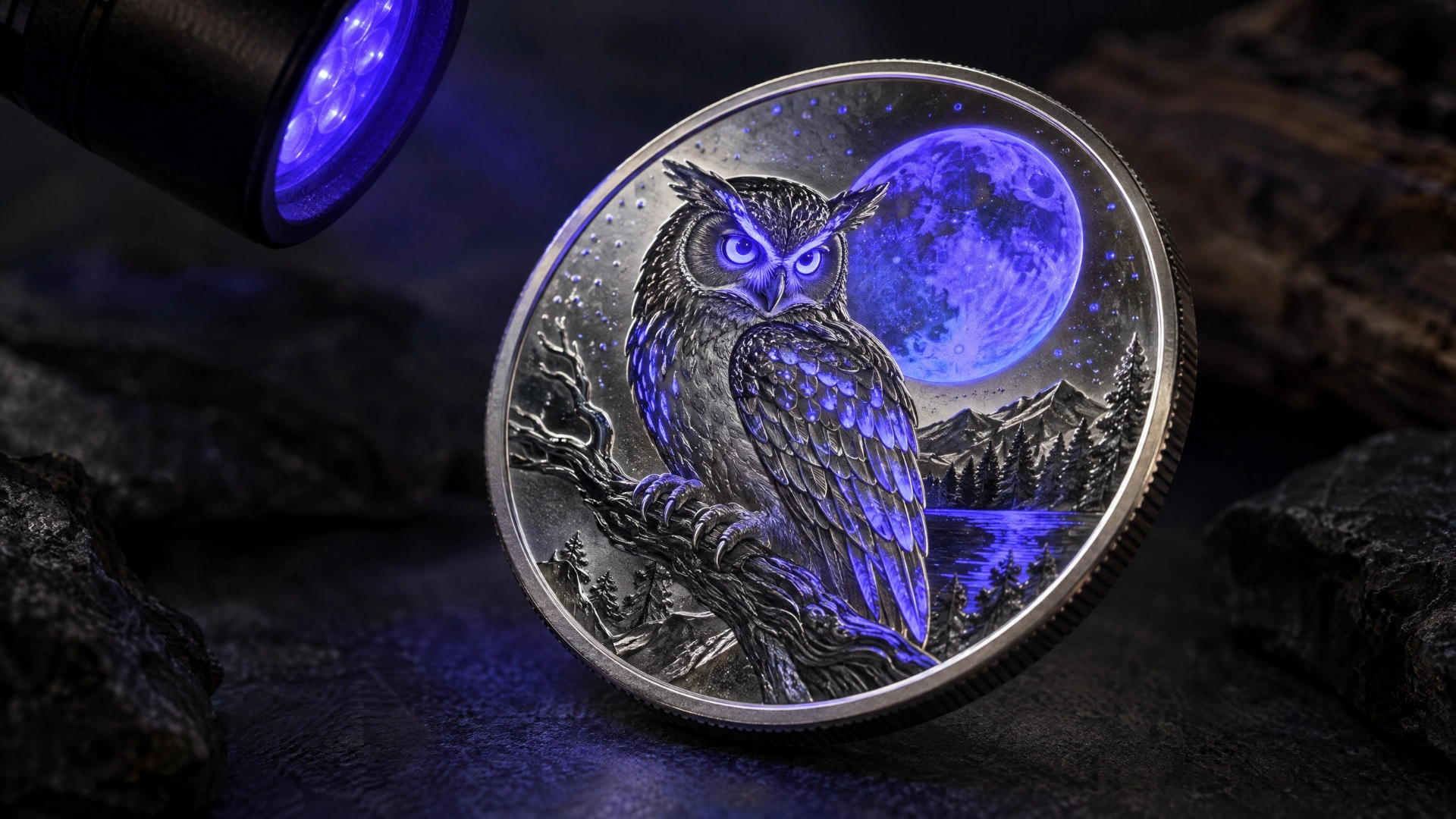
National mints do issue spooky-themed silver, usually as limited proof coins rather than everyday bullion. The Royal Canadian Mint's Canada's Unexplained Phenomena series is a clear example. The 2024 issue, The Langenburg Event, is listed by the mint as a C$20 proof coin in 99.99% pure silver, weighing 31.56 g, with a mintage of 6,500 and colour and blacklight technology that makes part of the design glow under ultraviolet light.
Read those numbers the way a dealer would. 31.56 g at 99.99% works out to roughly 1.01 troy ounces of fine silver. The C$20 face value is a legal formality, not a measure of worth. The rest of the price covers the proof finish, the glow effect, packaging, distribution and a mintage the mint lists as 6,500. Its subject is an unexplained-phenomena story rather than Halloween; the glow effect is what puts coins like it in seasonal listings.
Halloween, Día de los Muertos and the reaper
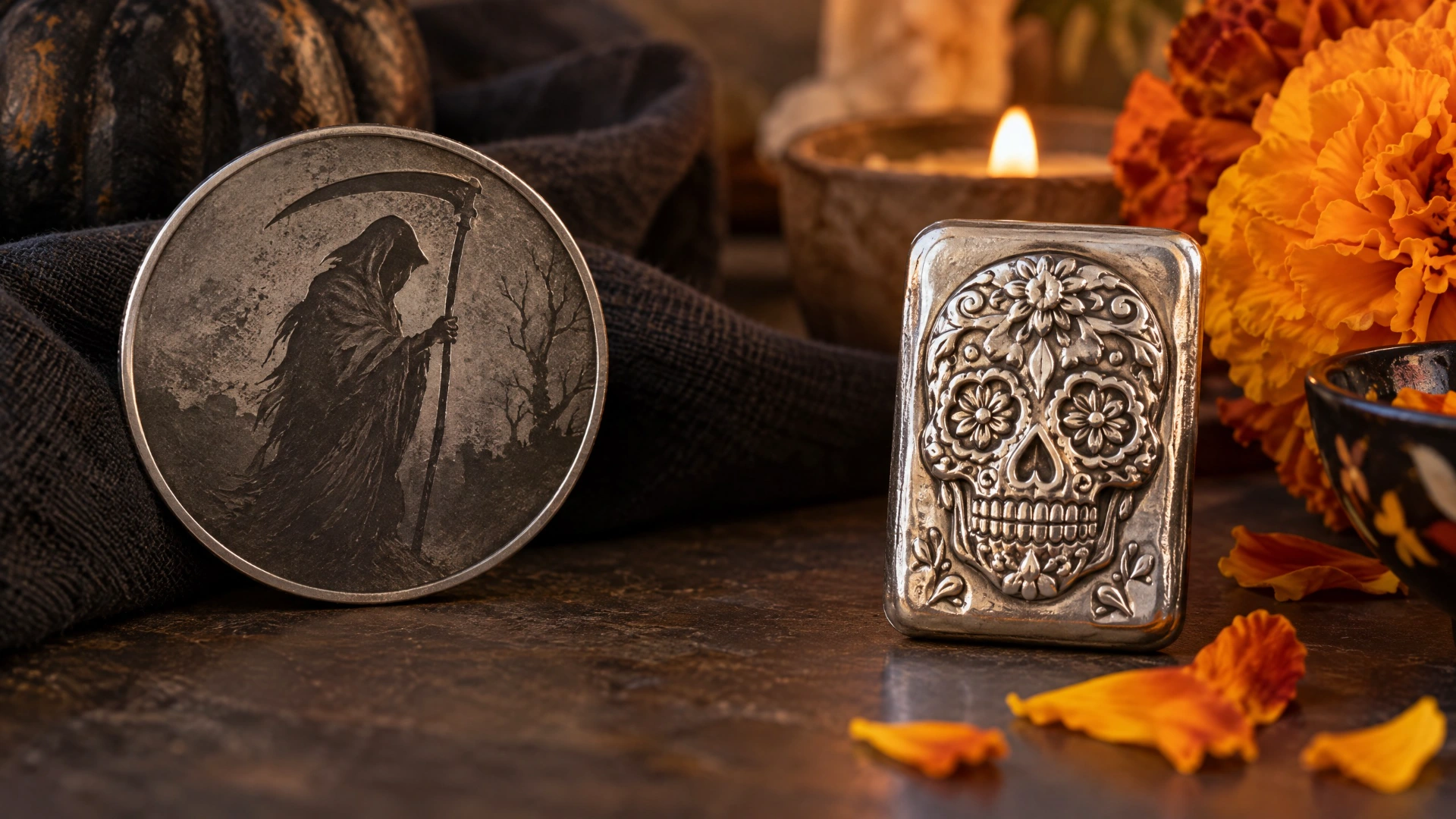
Not every piece shoppers file under Halloween is a Halloween design. The themes overlap in the same few weeks of the year, so it helps to know what you are actually looking at.
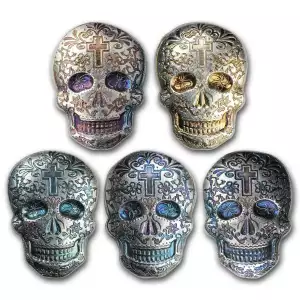
Sugar skulls belong to Día de los Muertos, the Day of the Dead, which follows Halloween on November 1 and 2. Our current catalog carries the Monarch Precious Metals sugar skull art bars in 2 oz and 10 oz sizes. Both are hand-poured in .999 fine silver, made in the USA, with a three-dimensional sugar skull on the front and the weight, purity and maker's crown logo on the back. The maker describes the design as inspired by Mexican Day of the Dead celebrations, not Halloween, and that is how we describe it too.
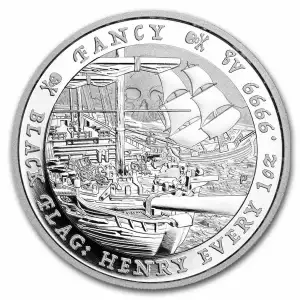
Reapers, skulls and gothic imagery are where private mints concentrate. One example from our own shelves was the Reckless Metals Sinner/Saint round: a quarter ounce of .999 silver with a grim reaper on one side and an angel on the other, capped at 1,250 pieces. It is out of stock on our site. A capped issue cannot be struck beyond its stated mintage, so once dealer supply is gone, finding one usually means the secondary market.
What you are paying for above the metal
The premium on a themed piece is the price above its silver content, and on Halloween silver it is driven by four things. None of them adds metal.
- Design and artwork. A sculpted, high-relief or licensed design costs more to produce than a plain bullion die.
- Finish. Proof finishes, antiquing, color printing and glow or blacklight paint each add production steps.
- Mintage. A capped run limits supply of that design. It does not guarantee anyone will want it later. Our guide to what limited mintage actually means covers this in detail.
- Packaging. Boxes, certificates and, for some glow coins, a UV light are part of the price.
That premium is why the same ounce of silver can sell at very different prices in round, coin and bar form.
Paint, glow and toning: what happens at resale
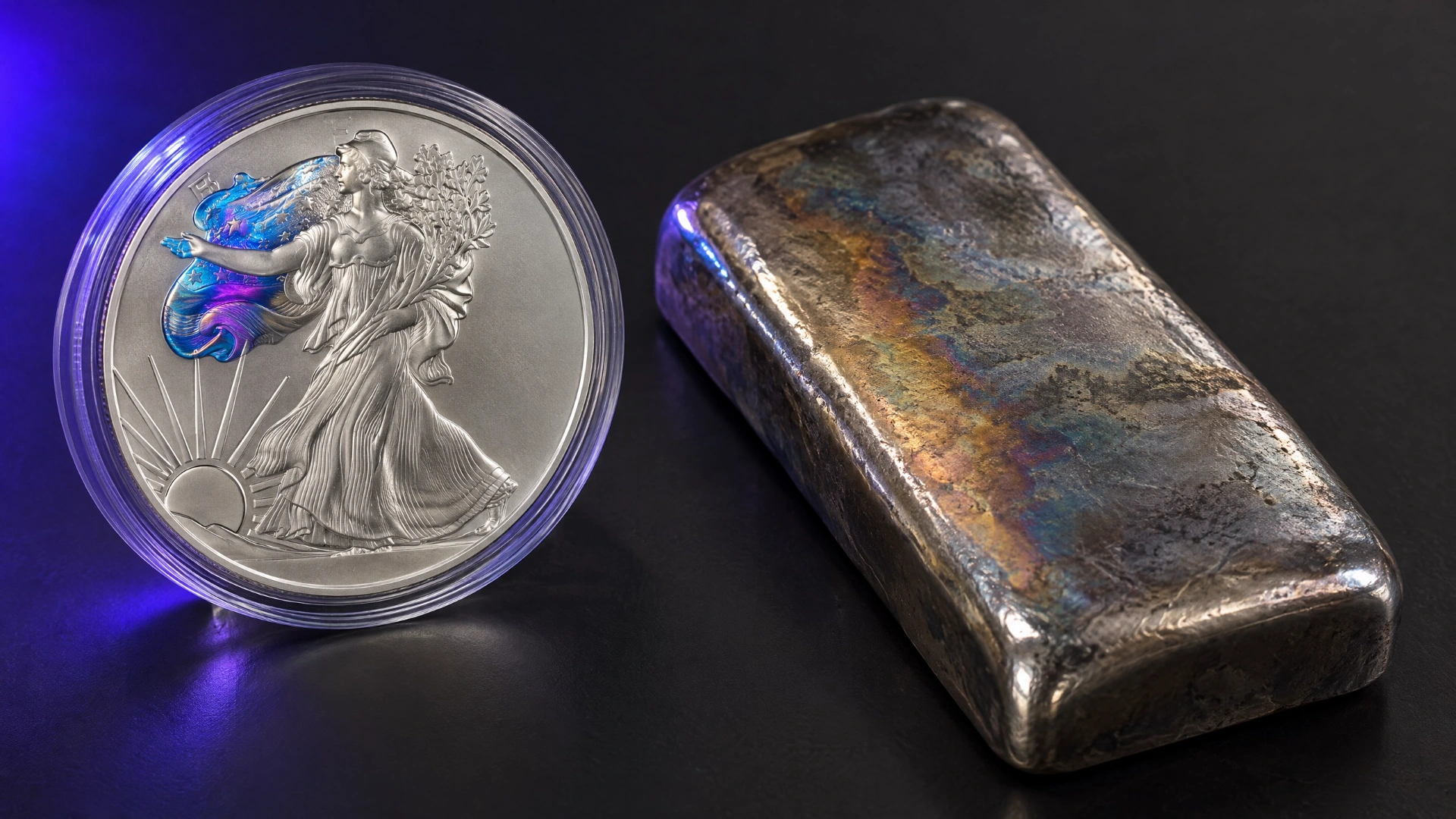
Colour and glow effects are coatings on the silver, not part of it, so they add nothing to melt value. When a colorized or glow-in-the-dark piece is sold back, a buyer starts from its silver content. Any amount above that depends on whether collectors are asking for that particular issue at that moment, and on condition.
Condition matters more on coated pieces than on plain bullion. Scratched paint, faded color or a damaged glow layer is visible at a glance, and it cannot be cleaned away without making things worse. Keep coated coins in the capsule or box they came in; our guide to capsules, flips, tubes and albums explains which holder suits which piece.
Poured bars behave differently. The Monarch sugar skull listings say plainly that color varies between batches, with some bars showing rainbow toning and others black and gray. That is the silver reacting with its environment, not a coating. How toning and milk spots affect resale is covered in milk spots, toning and patina.
Reading the stamp on a themed piece
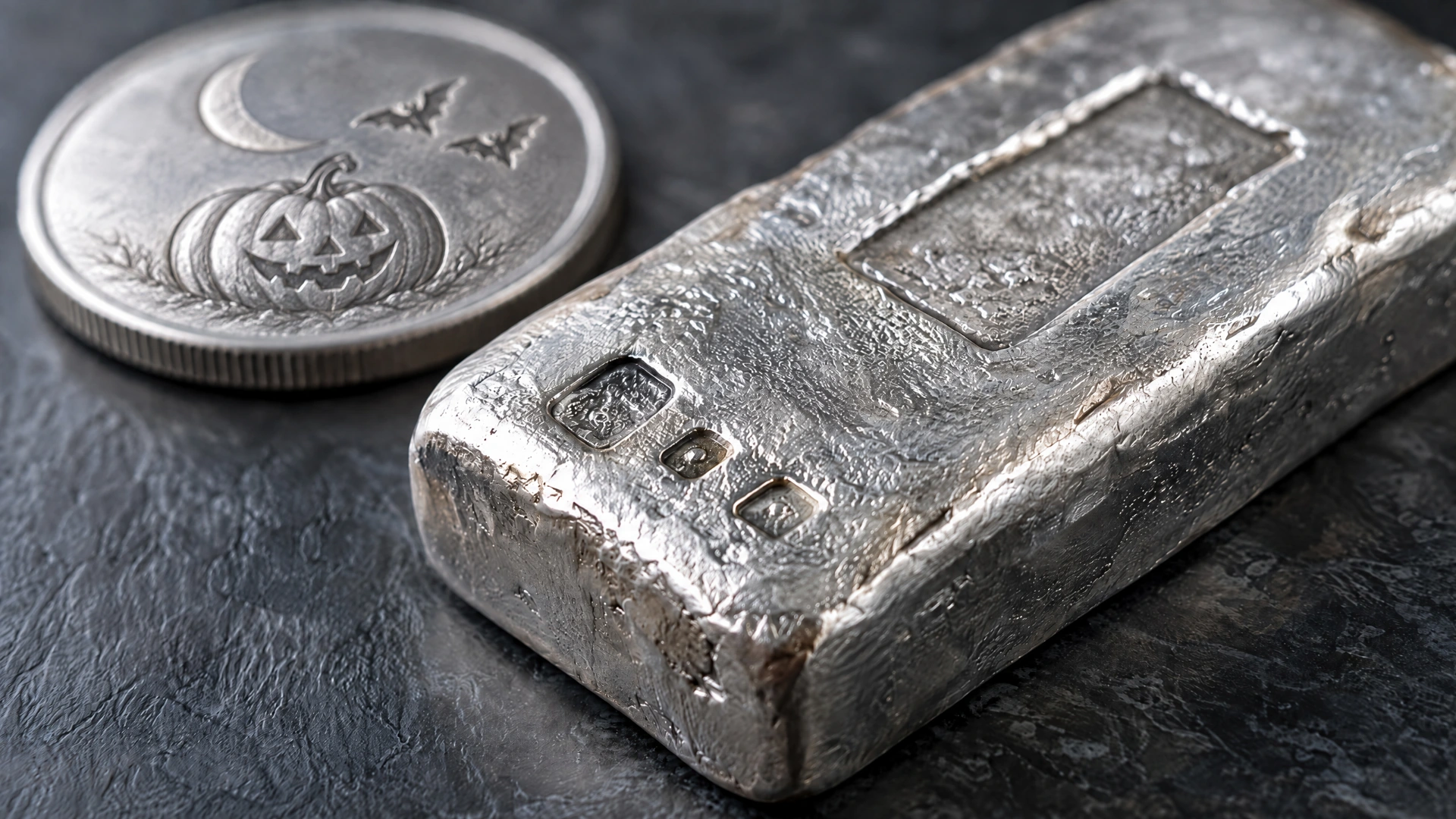
The stamp is the part of a Halloween piece that tells you what the metal is: its weight, in troy ounces or grams, and its fineness, such as .999. A piece with a theme but no weight or fineness stamp is a collectible of unknown metal content. For poured bars, our guide to maker's marks and hallmarks on poured silver explains how to read the reverse.
Buying seasonal silver from Stout
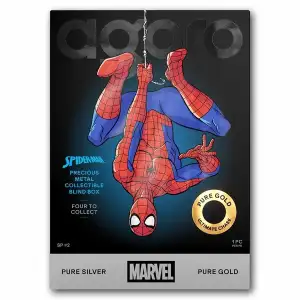
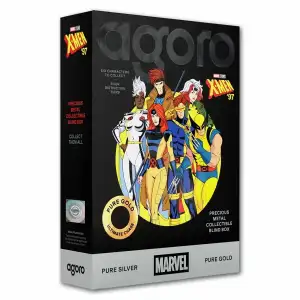
Our themed and licensed pieces sit in the themed bullion section of the site, alongside the Star Wars, Marvel, DC and Disney lines. What is in stock at any moment is shown on that page. Some items are priced by phone rather than listed, so call if you are looking for something specific.
Orders can be placed online, with free shipping over $199.99, or in person at the shop. Toning on hand-poured bars varies from batch to batch, so if you want to see a particular bar before buying, call first to check it is in the shop.
This article is educational and reflects general information about precious metals and collectible coins. It is not investment, tax or legal advice, and Stout Gold & Silver is not a registered investment adviser, broker-dealer or tax professional. Metal prices fluctuate and past performance does not indicate future results. Consult a qualified professional about your own situation.
Frequently asked questions
Are Halloween silver coins real silver?
Most are, but check the stamp, not the theme. A genuine bullion piece states its weight and fineness, such as 1 troy ounce of .999 fine silver. Some novelty items are silver-plated base metal and carry no fineness mark. If a piece has no weight or purity stamp, treat its metal content as unknown until it is tested.
Is a Halloween silver round legal tender?
No. A round is made by a private mint and has no face value, whatever its design. Only coins issued under a government's authority carry a denomination, such as the Royal Canadian Mint's C$20 Langenburg Event proof. The face value on a coin like that is a legal formality and is normally below the value of the silver it contains.
Does glow-in-the-dark paint affect what a coin is worth?
It adds nothing to the silver value, because paint is not metal. Above melt, any premium depends on collector demand for that specific issue and on condition. Scratched or faded color lowers the appeal of a coated coin, so keep it in its original capsule and box and handle it by the edges.
Are sugar skull silver bars Halloween bullion?
Strictly, no. Sugar skulls come from Día de los Muertos, the Day of the Dead, observed on November 1 and 2. Because the holidays fall in the same weeks, sugar skull pieces are often shopped alongside Halloween designs. The Monarch bars we stock are .999 fine silver, hand-poured, in 2 oz and 10 oz sizes.
Will a limited Halloween round be worth more later?
Nobody can promise that. A mintage cap limits how many exist, but it does not create buyers. Some themed issues attract collector demand after they sell out; many trade near their silver value. Collectors who buy themed pieces mostly do so for the design, and the premium paid over silver may not be recovered on resale.
Visit or call Stout Gold & Silver
We are a family-owned shop and have been in the Texas Panhandle since 1986. Walk-ins are welcome during business hours, and appointments take priority. Call ahead to check whether a specific piece is in the shop.
Stout Gold & Silver
2300 SW 7th Ave Ste 105
Amarillo, TX 79106
(806) 374-8698
Mon–Fri 10:00 am–4:00 pm · Sat closed · Sun closed