When you buy bullion, you are not just buying a piece of metal—you are buying a brand, a hallmark, and the trust that comes with them. Understanding which gold bar brands are considered the most trusted, and what to look for on each bar, can make buying, holding, and selling much smoother over the long run.
Key Takeaways
Trusted bullion brands are those widely recognized by major dealers, often linked to LBMA-approved refiners, with clear hallmarks and reliable liquidity. Brand, hallmark quality, and gold bar resale value all affect how easy it is to sell and how close to spot you can expect to be paid.
- Trusted gold bar brands come from globally recognized sovereign mints and large private refiners with long track records and industry accreditation.
- Hallmarks (logo, weight, purity, serial) plus security features are your first line of defense against counterfeits.
- Brand name bullion bars are generally easier to sell and can support stronger gold bar resale value than generic bars.
- You can evaluate any bullion brand by checking recognition, hallmarks, accreditation, spreads, and your dealer’s buy‑back policy.
- For many investors asking “are gold bars a good investment”, sticking to recognizable mints and hallmarks is a simple risk‑reduction strategy.
TL;DR – Why Trusted Bullion Brands Matter
Trusted bullion brands matter because they simplify authentication and improve liquidity when you eventually sell. In practice, this means less friction, better pricing, and more confidence throughout your ownership.
The most trusted gold bar brands combine high purity, strict manufacturing standards, and strong recognition among professional dealers. Recognizable mint hallmarks and well‑documented security features make it easier to authenticate bars, reducing counterfeit risk and speeding up verification. Brand name bullion bars from reputable categories—like global sovereign mints or LBMA‑associated refiners—are generally easier to sell and may receive tighter buy‑back spreads than obscure or generic bars.
Which Gold Bar Brands Are Considered the Most Trusted?
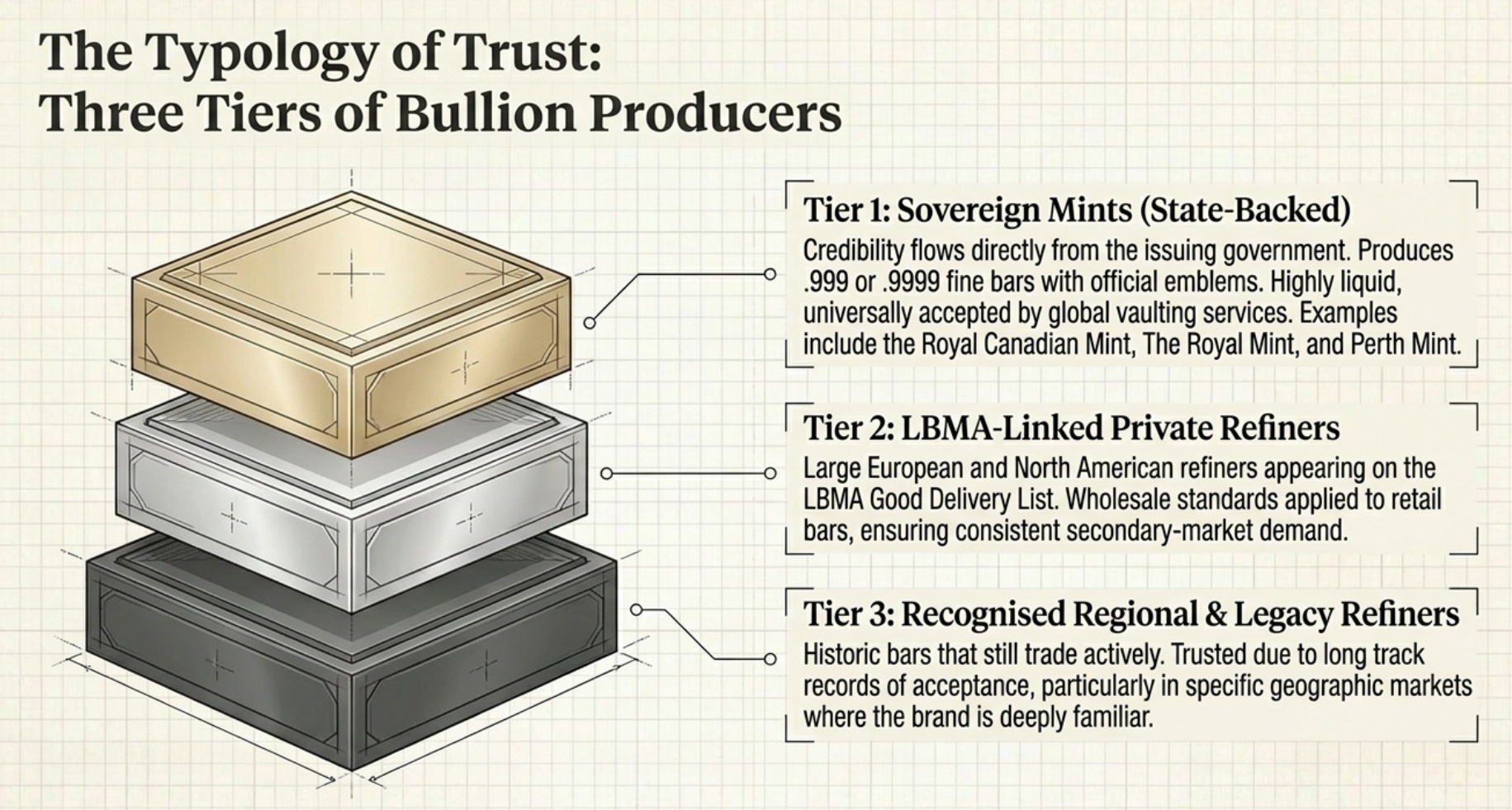
Trusted gold bar brands are those recognized by major dealers, often tied to LBMA-approved refiners, with a long history of producing high‑purity, well‑marked bars. Instead of chasing individual names, it helps to think in terms of categories of producers.
In practice, “trusted” gold bar brands usually come from three broad categories: global sovereign mints, large European and North American refiners, and established regional refineries with industry accreditation. These producers meet strict standards for fineness, weight, and markings, and their products appear consistently on dealer shelves and buy‑back lists.
Sovereign Mint Bullion Bars
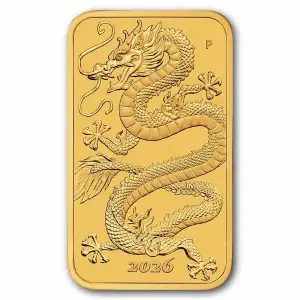
Sovereign mint bars are produced by government mints that also issue circulating or investment coins, and their credibility flows directly from the issuing state. Examples include bars from the Royal Canadian Mint, The Royal Mint, Perth Mint, and similar national institutions that strike .999 or .9999 fine bars with official emblems and high‑quality packaging.
Investors value sovereign mint bars because they are easy to recognize, carry strong hallmarks, and are often supported by robust security programs and global distribution networks. These bars tend to be highly liquid and are frequently accepted by dealers and vaulting services worldwide.
Large Private Refiners and LBMA‑Linked Producers
Another major category includes large private refiners that appear on or are associated with the LBMA Good Delivery List. Think of Swiss, German, and North American refineries whose large wholesale bars meet Good Delivery standards and whose smaller retail bars follow the same quality ethos.
Bars from these refiners typically feature .999 or .9999 purity, precise weight markings, clear logos, and serialized assay cards. Dealers see these brands daily, which supports confidence, quick testing, and consistent secondary‑market demand.
Recognized Regional Refiners and Legacy Brands
Finally, there are recognized regional refiners and legacy brands whose historic bars still trade actively. These include well‑known older names whose bars circulate on the secondary market and are still trusted despite no longer issuing new pieces under the same branding in all markets.
These bars can be attractive to investors who want high‑quality bullion with a track record of acceptance, particularly in specific regions where those brands are deeply familiar to dealers.
Why Recognizable Mint Hallmarks Matter When Buying Bullion
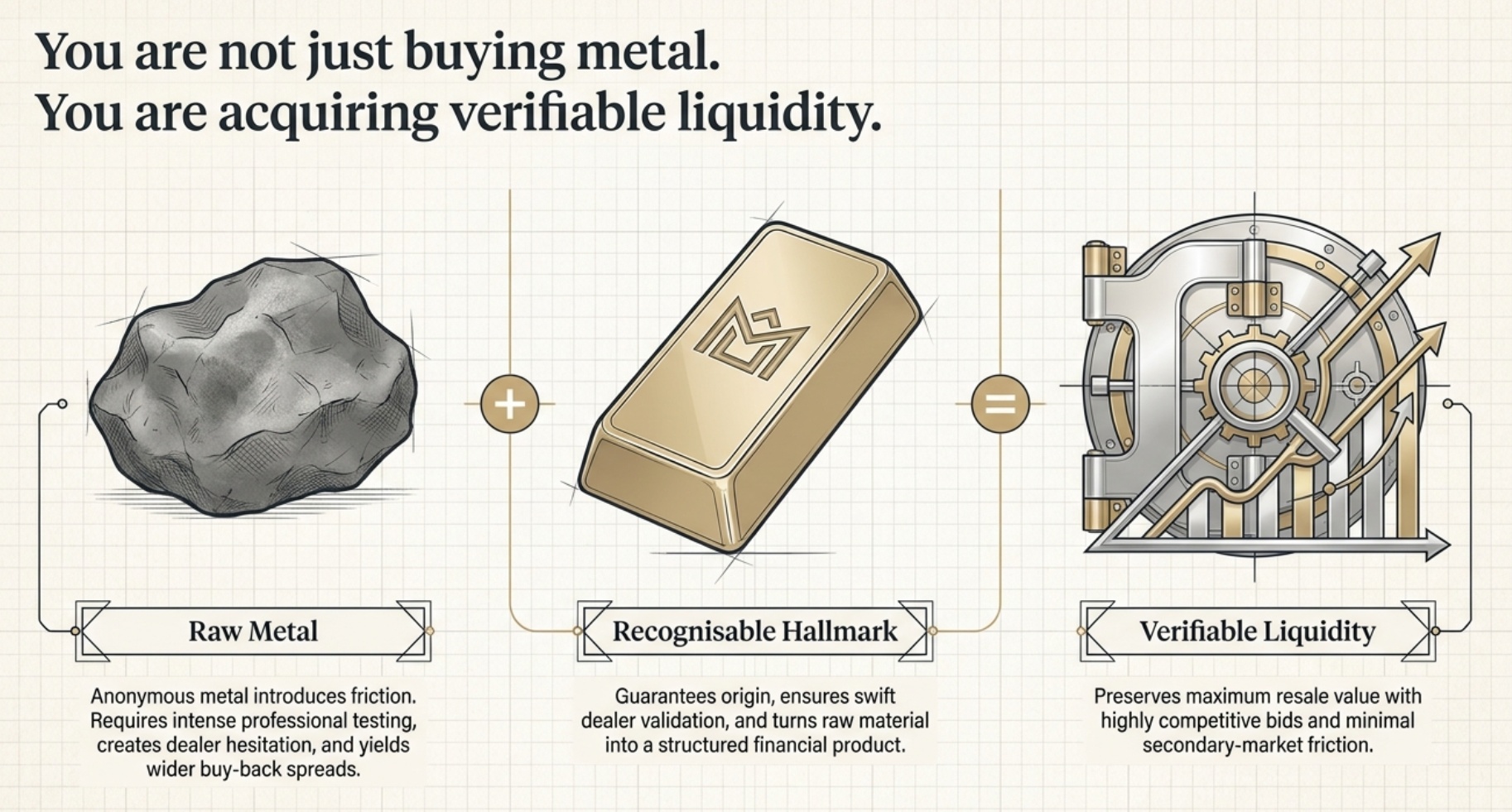
Recognizable mint hallmarks matter because they turn an anonymous piece of metal into a clearly identifiable investment product. Hallmarks help you and your dealer verify origin, purity, and weight quickly and confidently.
A hallmark is the visual identity of your bar: it tells you who made it, what it weighs, how pure it should be, and which standards it meets. When you see a clear, consistent hallmark from a known category—such as a sovereign mint or an LBMA‑linked refiner—you gain a shortcut to trust that supports both buying and resale decisions.
Hallmarks as a First Line of Defense Against Counterfeits
Experienced dealers recognize the logos, fonts, and layouts that major mints and refiners use on their bars. When something looks off—misspelled names, clumsy logos, or layouts that do not match official designs—it immediately triggers deeper testing or rejection.
Because counterfeiters often copy only surface details, a well‑trained eye that knows the expected hallmark can catch many problems before more advanced testing starts. Consistent, high‑quality hallmarks are therefore one of the simplest practical tools for screening bullion.
How Hallmarks Affect Dealer Confidence and Buy‑Back Pricing
Dealers prefer bars whose hallmarks they know and trust, because these products are easier to evaluate and resell. When a dealer sees a familiar hallmark on a bar with intact packaging, they can often process the transaction faster and with less uncertainty.
That reduced risk can translate into better buy‑back terms and stronger gold bar resale value compared with no‑name bars. Obscure or generic pieces may still sell, but they are more likely to attract wider spreads or additional testing costs built into the price.
What to Look for on a Gold Bar to Confirm It Is Authentic
To confirm that a gold bar is authentic, start by checking the hallmarks, weight and purity markings, and any serial number or assay packaging. These elements should align cleanly with how the issuing mint presents its products.
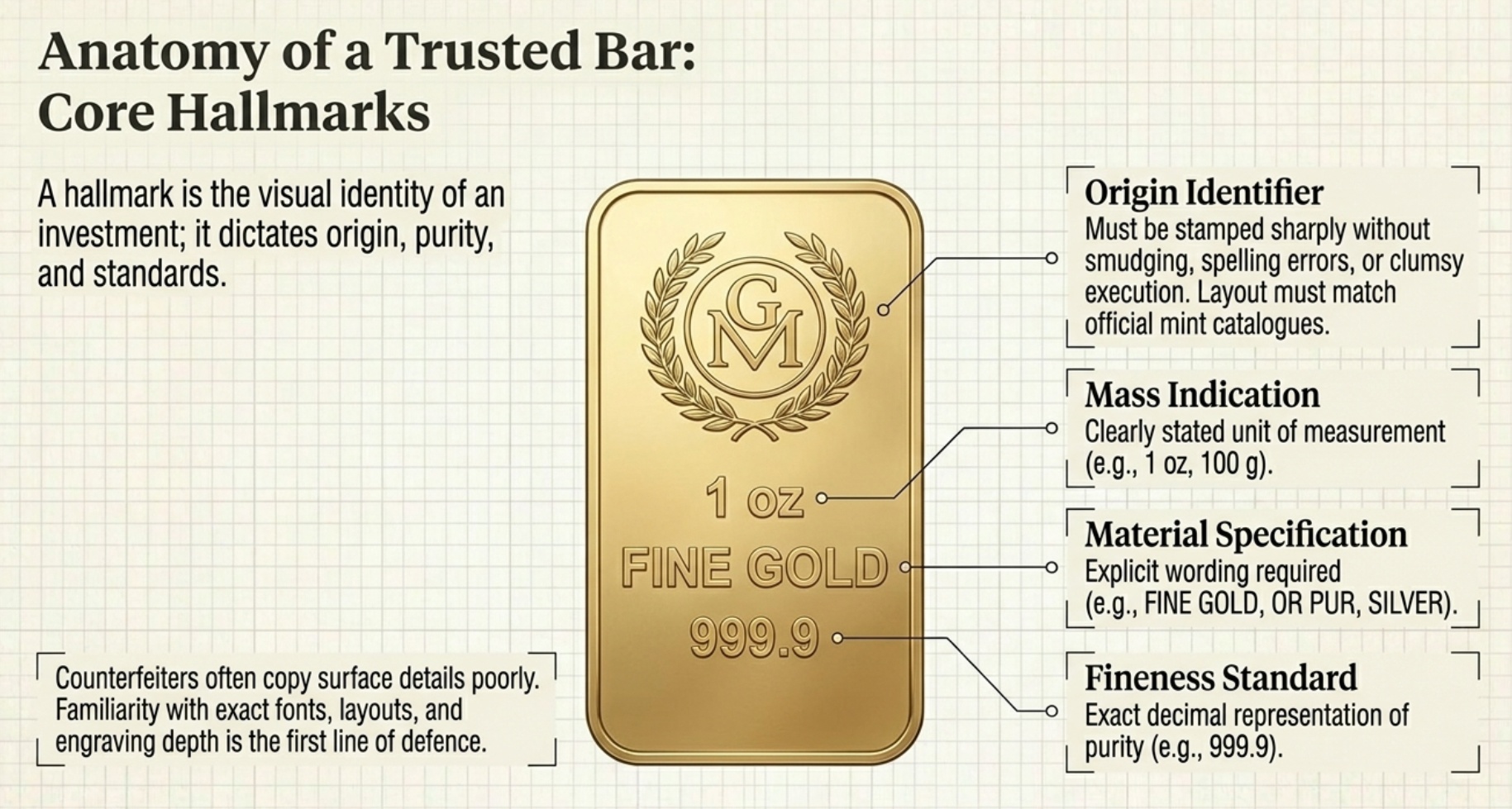
Every authentic bar from a reputable source should clearly show who made it, what it weighs, how pure it is, and which metal it contains. Once those basics are in place, you can move on to checking packaging integrity and any dedicated security features that the producer advertises.
Core Information – Logo, Weight, Purity, Metal
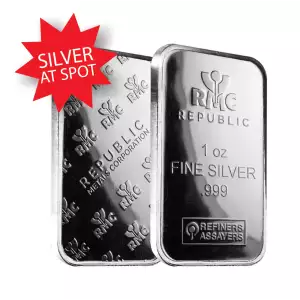
First, look for the mint or refinery logo and name, printed or stamped sharply without smudging or spelling errors. Next, verify the weight (for example, 1 oz or 100 g) and the purity indication such as 999.9 or “FINE GOLD 999.9.”
The bar should also specify the metal—usually with clear wording like “GOLD” or “OR PUR”—and the layout should match official examples available from the mint or trusted dealers. Inconsistent fonts, missing information, or obviously low‑quality engraving are red flags that should not be ignored.
Serial Numbers, Assay Cards, and Certificates
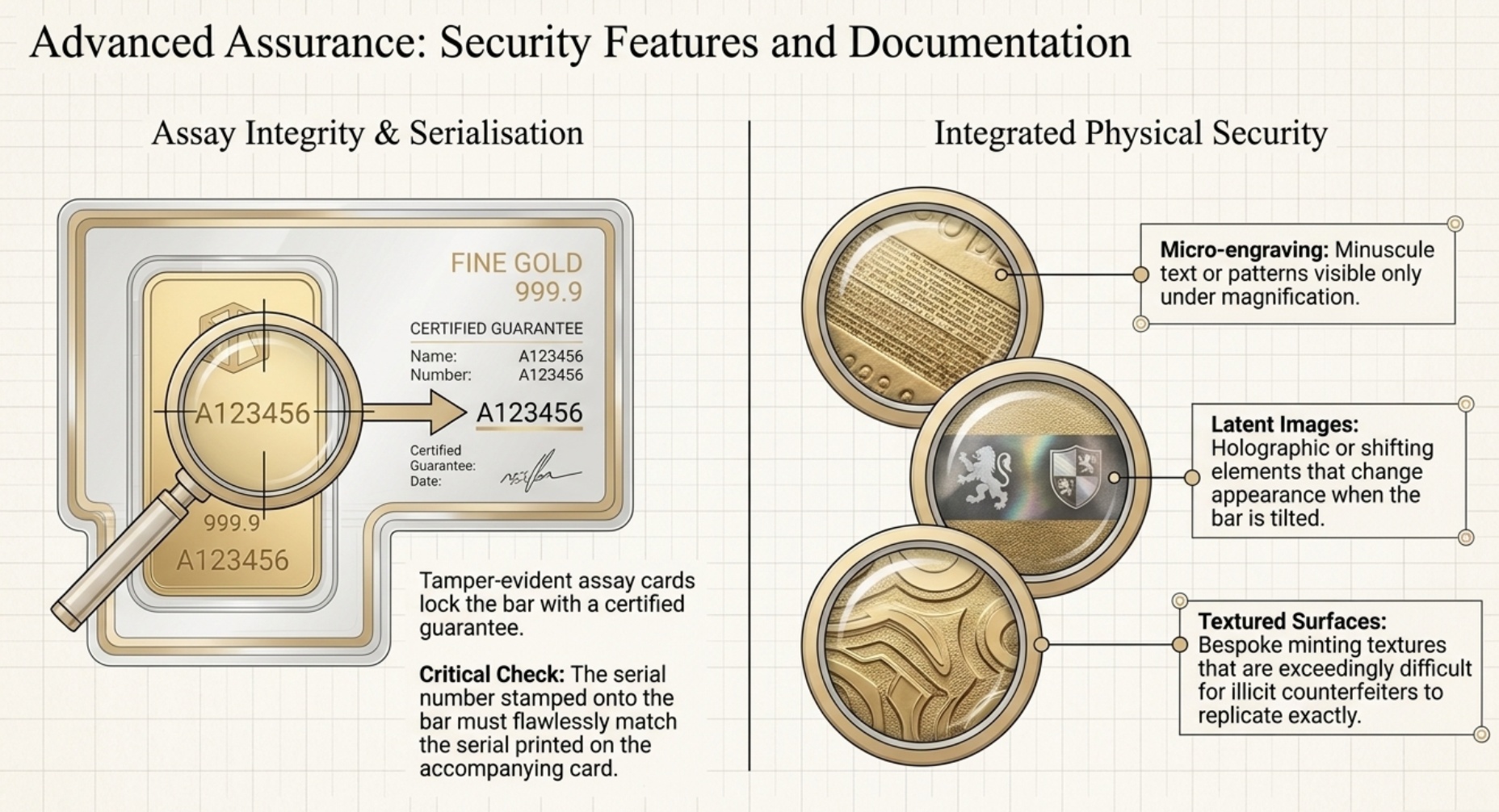
Many trusted bars, especially 1 oz and smaller, come sealed in an assay card that shows the bar’s weight, fineness, and a unique serial number. The serial on the bar should match the serial printed on the card or certificate.
Assay cards are typically tamper‑evident and signed or certified on behalf of the producing mint or refiner. While not every authentic bar has a card, the presence of matching serials and intact packaging adds a valuable layer of assurance for both you and any future buyer.
Security Features on Bullion Bars
Many leading producers now integrate dedicated security features into their bars. These can include micro‑engraving, laser‑etched patterns, latent images that change appearance when you tilt the bar, and textured surfaces that are difficult to reproduce exactly.
When a brand advertises specific security features for a product line, you should be able to see those features clearly and cross‑check them against official descriptions. The closer the match, the more comfortable you and your dealer can be about the bar’s authenticity.
How to Tell If a Gold or Silver Bar Comes from a Reputable Mint
You can usually tell if a bar comes from a reputable mint by combining a structured visual check with a quick reference check against official lists and product images. This process does not require advanced equipment.
The goal is to verify that the brand exists, that it is recognized by serious market participants, and that the bar you hold matches what that producer actually makes. Once you confirm those points, further technical testing becomes a second step rather than a blind first line.
Step‑by‑Step Visual and Basic Checks
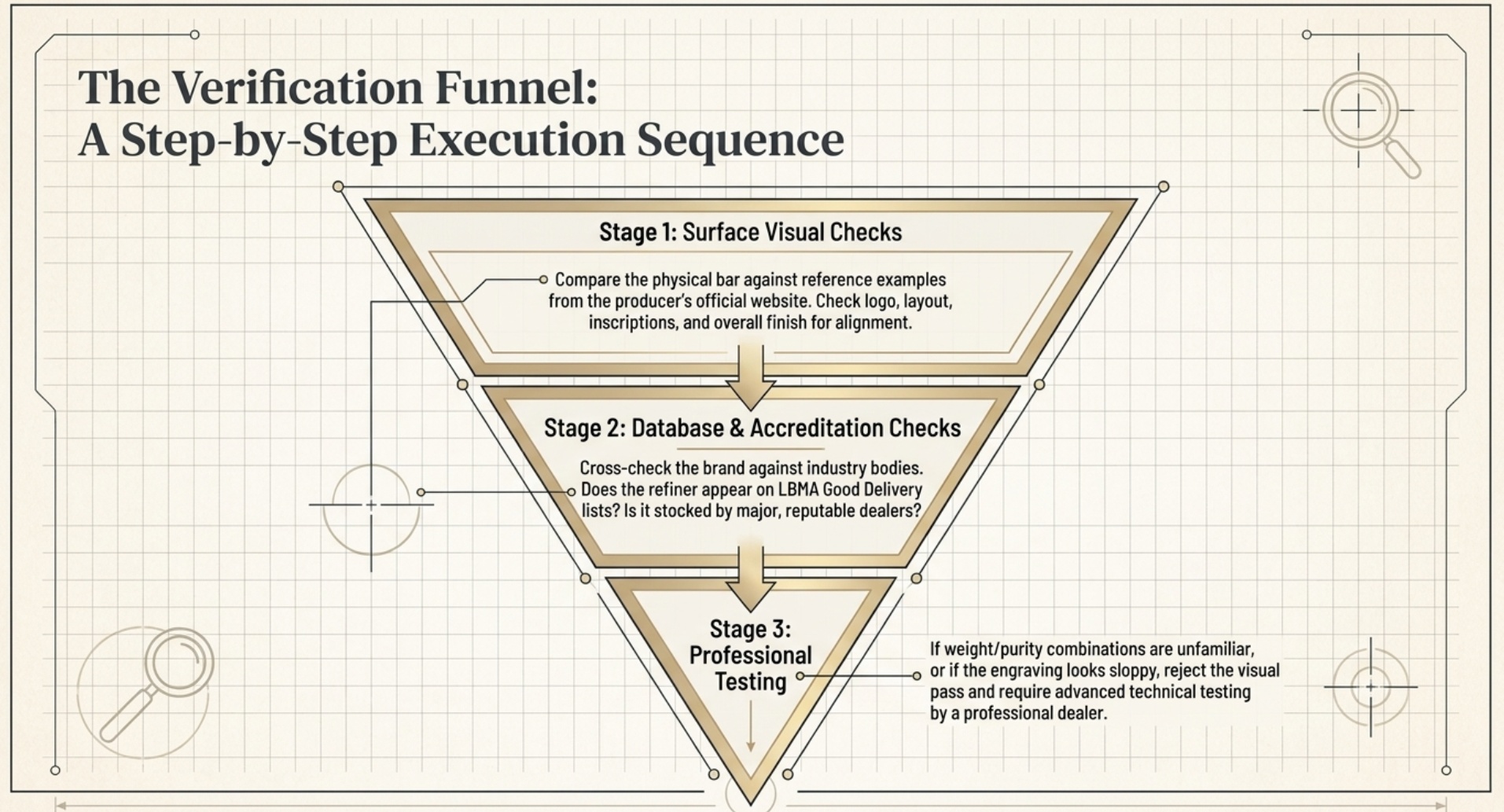
Start by comparing the bar’s appearance to reference examples on the producer’s official website or a trusted dealer’s catalog. The logo, layout, inscriptions, and overall finish should align closely with what you see there.
Then, confirm that the weight and purity markings make sense for that producer and bar size. If a bar claims an unfamiliar combination or looks sloppy in its execution, you should treat it cautiously and have it checked professionally.
Cross‑Checking with Official Mint and LBMA Lists
Next, check whether the brand is listed with industry bodies or appears in educational resources from major dealers. LBMA Good Delivery information, for example, can help you see whether a refiner is approved to produce wholesale bars for professional markets.
Even though you may be holding a smaller retail bar, seeing the refiner’s name associated with recognized standards adds confidence. If a supposed “big name” does not appear on any reputable lists and its designs do not match official images, it is safer to walk away.
Are Brand Name Bullion Bars Easier to Sell?
Brand name bullion bars from widely recognized mints and refiners are typically easier to sell than generic bars. Dealers see them frequently and feel more confident pricing and reselling them quickly.
When you choose bars that dealers recognize on sight, you remove friction from the resale process and make it more likely you will receive a competitive bid. This matters both for long‑term stackers and for investors asking whether gold bars are a good investment from a liquidity standpoint.
Brand Recognition and Liquidity at Dealers
Dealers often maintain informal “preferred” lists of brands that they buy and sell every day. These brands move quickly in their markets, so dealers are comfortable holding inventory and quoting stronger prices.
When you bring in a bar from a familiar category—such as a sovereign mint or a large LBMA‑linked refiner—dealers can usually test it faster, trust it more readily, and re‑sell it without difficulty. That combination is what makes brand name bullion bars easier to sell than many generic alternatives.
How Brand Influences Spreads and Buy‑Back Terms
Because trusted brands reduce uncertainty, they can command tighter buy‑back spreads. Dealers may be willing to pay closer to spot for bars they know will attract strong secondary‑market demand.
Generic bars, or bars from little‑known producers, may still sell but can face wider spreads, more restrictive buy‑back policies, or more intensive testing requirements. Over years of stacking, these differences can add up and affect your overall gold bar resale value.
Brand vs Generic: Which Bullion Bars Make Sense?
Brand name bars are usually the safer default, but generic bullion can still make sense when priced attractively and backed by a dealer you trust. The right choice depends on your priorities and exit strategy.
If your main question is “are gold bars a good investment for liquidity and peace of mind,” brand name products from recognized categories are often the most straightforward answer. Generic bars can offer savings but require more attention to who stands behind them at buy‑back.
When Brand Name Bars Have the Edge
Brand name bars make sense when you value easy resale, smoother verification, and established reputations. This is especially true for larger bars, where each individual piece represents a significant amount of capital and counterfeit risk.
For investors who expect to move bars across borders, store them in third‑party vaults, or use them as collateral, brand recognition is more than a marketing detail—it is a practical requirement.When Generic or House‑Brand Bars Can Work
Generic or house‑brand bars can be reasonable options if they are produced by or on behalf of an industry‑recognized refinery and if your primary dealer is willing to buy them back on clear terms. In such cases, the dealer’s promise becomes a key part of the value proposition.
When premiums on generic bars are meaningfully lower, some investors are willing to trade a bit of name recognition for extra ounces—provided they understand how and where they plan to sell the bars later.
How to Evaluate Any Bullion Brand in the Future
You can evaluate any bullion brand—well‑known or new—using a simple framework built around recognition, standards, markings, and resale conditions. This saves you from relying solely on brand lists that may change over time.
Whenever you encounter a new bullion brand, walk through the same set of questions rather than guessing. Over time, this habit makes you more confident and helps you decide quickly whether a bar fits your strategy.
Recognition and Accreditation
First, ask whether the brand is recognized by serious market participants. Check if the refiner appears on LBMA Good Delivery lists, is mentioned by major dealers, or is associated with an established sovereign mint.
Even if a specific retail bar is not itself a Good Delivery bar, seeing the producer connected to established standards tells you that the underlying operation has passed multiple quality checks.
Hallmarks, Security, and Documentation
Next, examine the bar’s hallmarks for clarity, completeness, and consistency with official examples. Look for supporting elements like serial numbers, sealed assay cards, and any listed security features that match the producer’s descriptions.
Bars with vague or incomplete markings, or those whose packaging does not match official materials, should be treated with skepticism until a professional dealer confirms their authenticity.
Pricing, Spreads, and Gold Bar Resale Value
Finally, consider how the brand is priced relative to better‑known alternatives and what spreads dealers quote when buying it back. It is not enough to save a fraction of a percent on the purchase price if that saving disappears in a wider buy‑back spread.
If multiple reputable dealers hesitate to buy a brand, offer lower bids, or decline to list it as preferred inventory, that tells you a lot about its practical resale value—even if the metal itself is technically fine.
Comparison Table: Trusted Brand Categories vs Generic Bars
Different types of bars serve different needs. This table summarizes how major brand categories compare with more generic offerings.
| Brand category | Recognition | Liquidity | Premium | Best for |
|---|---|---|---|---|
| Global sovereign mint bars | Very high with dealers and investors | Very high; easy to sell in many markets | Often slightly higher than generic bars | Long‑term investors prioritizing trust and resale, cross‑border holders |
| Large LBMA‑linked private refiners | High among professional dealers worldwide | High; widely accepted for buy‑backs and vaulting | Competitive; sometimes lower than sovereign mints | Investors balancing premium, trust, and strong gold bar resale value |
| Recognized regional refiners / house‑brands | Moderate; strong within specific regions or dealer networks | Good where brand is known; variable elsewhere | Often lower than top global names | Buyers working closely with a specific dealer or local market |
| Generic / little‑known bars | Low; few dealers recognize the brand | Variable; may require extra testing, wider spreads | Can be lowest on purchase in some cases | Experienced investors who accept extra resale work to lower upfront cost |
For many people wondering “are gold bars a good investment,” this comparison shows why trusted categories tend to be preferred: they combine reasonable premiums with strong recognition and liquidity.
Frequently Asked Questions
Each answer starts with a clear one‑sentence summary, followed by a brief expansion for readers who want more detail.
1. Which gold bar brands are considered the most trusted?
Short answer: The most trusted gold bar brands come from global sovereign mints and large LBMA‑linked refiners with long track records.
Expansion: In practice, this includes categories like national‑mint bars (for example, Canadian, British, or Australian government mints) and well‑known European and North American refiners whose wholesale bars meet Good Delivery standards. These producers are widely recognized by dealers and appear frequently in independent “best gold bar brands” lists, which supports strong liquidity and gold bar resale value.
2. Why do recognizable mint hallmarks matter when buying bullion?
Short answer: Recognizable mint hallmarks matter because they make authentic bars easier to verify and counterfeit bars easier to spot.
Expansion: Clear logos, consistent layouts, and accurate weight and purity markings help both investors and dealers compare bars against official examples from legitimate producers. When a hallmark matches what a reputable mint actually issues, everyone involved can proceed with more confidence and less friction.
3. How can I tell if a gold or silver bar comes from a reputable mint?
Short answer: You can tell by matching the bar’s design to official images and confirming that the brand appears on trusted industry or dealer lists.
Expansion: Start with a visual comparison to the mint’s or dealer’s catalog, then check whether the producer is associated with Good Delivery or otherwise endorsed by major market participants. If the bar does not resemble any official product and the supposed brand is absent from reputable references, it is safer to avoid it.
4. Are brand name bullion bars really easier to sell than generic bars?
Short answer: Yes, brand name bullion bars from recognized categories are usually easier and faster to sell than generic bars.
Expansion: Dealers are more comfortable with products they handle every day and know they can resell quickly, so they may quote tighter spreads and process transactions more smoothly for those bars. Generic bars can still be saleable, but they often require more testing and may not receive equally strong bids.
5. What should I look for on a gold bar to confirm it is authentic?
Short answer: Look for a clear logo, accurate weight and purity markings, correct metal description, and, ideally, a matching serial number and assay card.
Expansion: When those elements line up with official designs and documentation from a reputable mint or refiner, you have a strong starting point for trust. You can then add basic tests - such as weighing and measuring - to further confirm that the bar’s physical properties match its markings.
6. Does LBMA approval matter for small retail gold bars?
Short answer: LBMA approval still matters indirectly for small bars because it validates the producer’s overall standards.
Expansion: Although Good Delivery rules focus on large wholesale bars, an LBMA‑listed refiner is regularly audited for quality, purity, and responsible practices. Retail bars from such refiners benefit from that oversight, which can improve acceptance and pricing when you later sell through professional channels.
7. Is it ever okay to buy an unknown gold bar brand if the price is lower?
Short answer: It can be acceptable if the brand is backed by an approved refiner or a dealer you trust, but you should weigh the savings against potential resale challenges.
Expansion: Lower‑priced bars may look attractive at checkout, yet if several dealers later hesitate to buy them or offer weak bids, the initial discount can disappear. Before committing, ask your preferred dealer whether they are comfortable buying that brand back and on what terms.
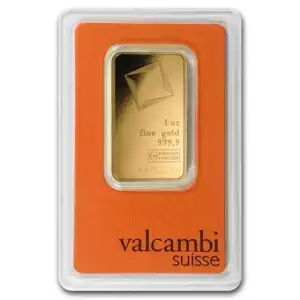
If you are ready to move from theory to action, start by checking our live prices and then shop trusted gold bar brands from globally recognized mints and refiners - or request a quick consultation so we can help you choose bars that balance price, security, and long‑term resale value for your portfolio.