Starting with precious metals does not have to be complicated or expensive. A simple beginner portfolio using just a few gold and silver pieces can give you real diversification, liquidity, and peace of mind without turning you into a full‑time stacker. This guide walks you through how to build that first starter stack, which mix of coins and bars works best for a first precious metals purchase, and how much gold and silver a new investor realistically needs to get started.
TL;DR – Your Simple Beginner Gold and Silver Portfolio
A simple beginner portfolio is one that uses a small number of widely recognized coins and bars, fits comfortably within your budget, and is easy to understand and resell. You do not need dozens of different products—just a handful of well‑chosen pieces.
- Around $300–$600: Mostly silver (for more ounces) via 1 oz coins and perhaps a 10 oz bar; optionally add a very small gold coin or bar if budget allows.
- Around $1,000–$1,800: A mix of 1–2 small gold coins plus a stack of recognizable 1 oz silver coins or a couple of 10 oz bars for volume.
- Around $3,000–$5,000: Two or more 1 oz gold coins or bars, plus a meaningful silver position (20–50 oz) split between coins and a few larger bars, still using only a few SKUs.
Step One – Decide Why You’re Buying Gold and Silver
Before you pick specific pieces, get clear on why you want precious metals. Your reason will shape how much gold and silver you buy and what you choose.
For most beginners, the main goals are long‑term wealth preservation, protection against inflation, and psychological security from holding something tangible. If that sounds like you, then physical coins and bars are usually a better match than complex instruments like mining stocks or derivatives. Once you understand your “why,” it becomes easier to design a starter stack that fits your broader financial plan instead of competing with it.
How Much Gold and Silver Does a New Investor Need to Get Started?
You can get started with precious metals with a few hundred dollars, and then grow over time—there is no strict minimum beyond what your dealer requires for an order. Many financial planners suggest precious metals should be a modest slice of your overall net worth (often in the 5–15% range for established investors), but beginners can aim lower and build gradually.
One practical approach is:
- Decide what portion of your current savings you are comfortable turning into physical metal without touching your emergency fund.
- Translate that into a starting ticket (for example, $300, $1,000, or $3,000) and build one of the simple portfolios below.
- Add regularly using a monthly or quarterly schedule (dollar‑cost averaging), so you do not stress about timing the market.
If you are asking yourself “are gold bars a good investment” or “how much should I put into silver,” remember that starting small and learning as you go usually beats waiting for the perfect moment.
Coins vs Bars – What Works Best in a First Precious Metals Purchase?
For a beginner, the best mix of coins and bars is usually: coins for flexibility and recognition, and small bars for lower premiums and extra ounces. This lets you build a portfolio that you can actually use, piece by piece, if you ever need to sell or trade.
Why Beginner Portfolios Should Include Gold and Silver Coins
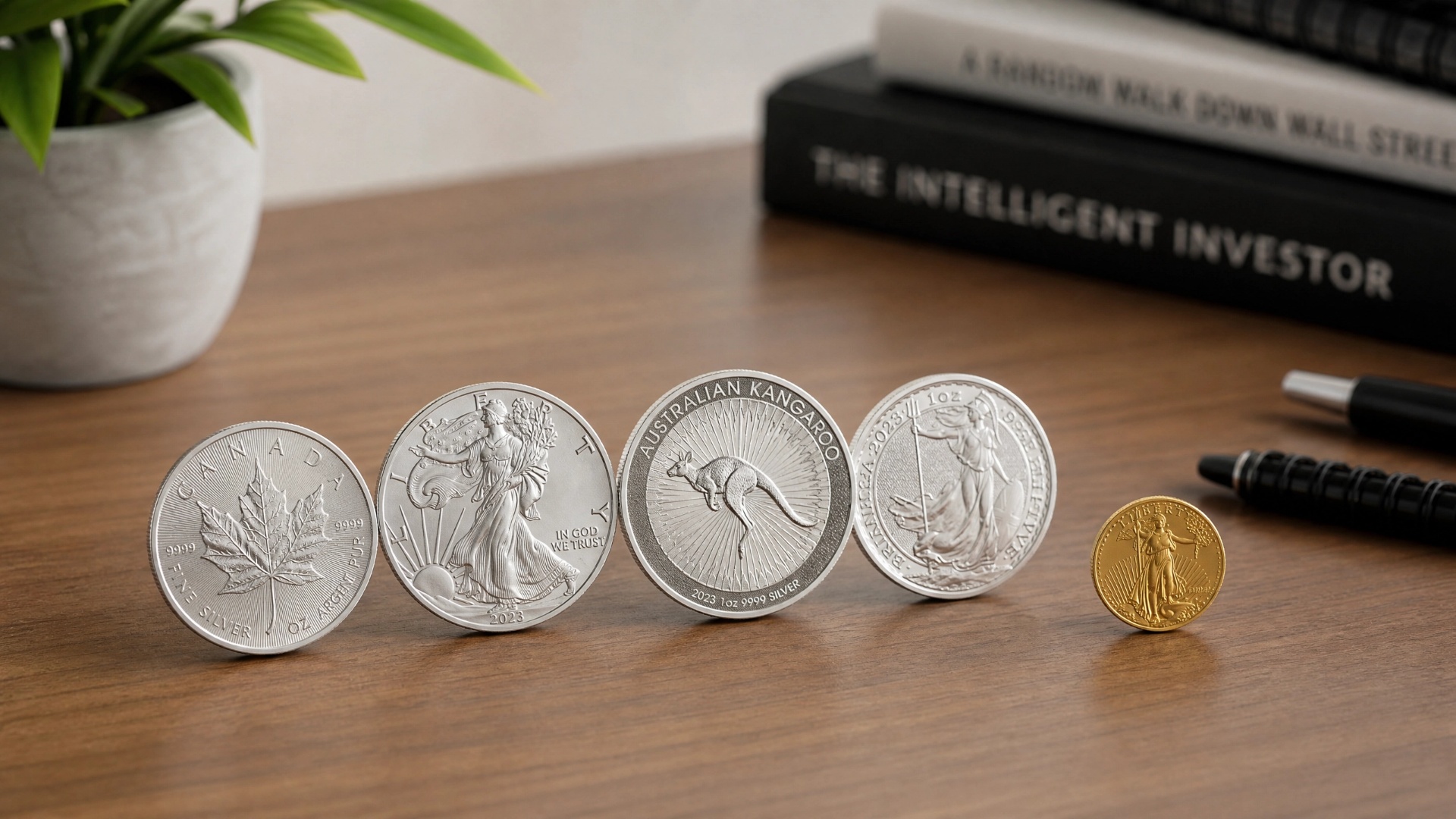
Bullion coins from major sovereign mints are popular for first purchases because they are widely recognized, easy to price, and highly liquid. One‑ounce silver coins and 1 oz or fractional gold coins are straightforward to understand and simple to sell almost anywhere.
Coins usually carry slightly higher premiums than equivalent bars because of their legal‑tender status and more detailed designs, but in return they provide excellent flexibility: you can sell individual pieces in smaller amounts if needed. That is valuable when you are still building and do not want to unload your entire stack in one transaction.
Where Small Gold and Silver Bars Fit In
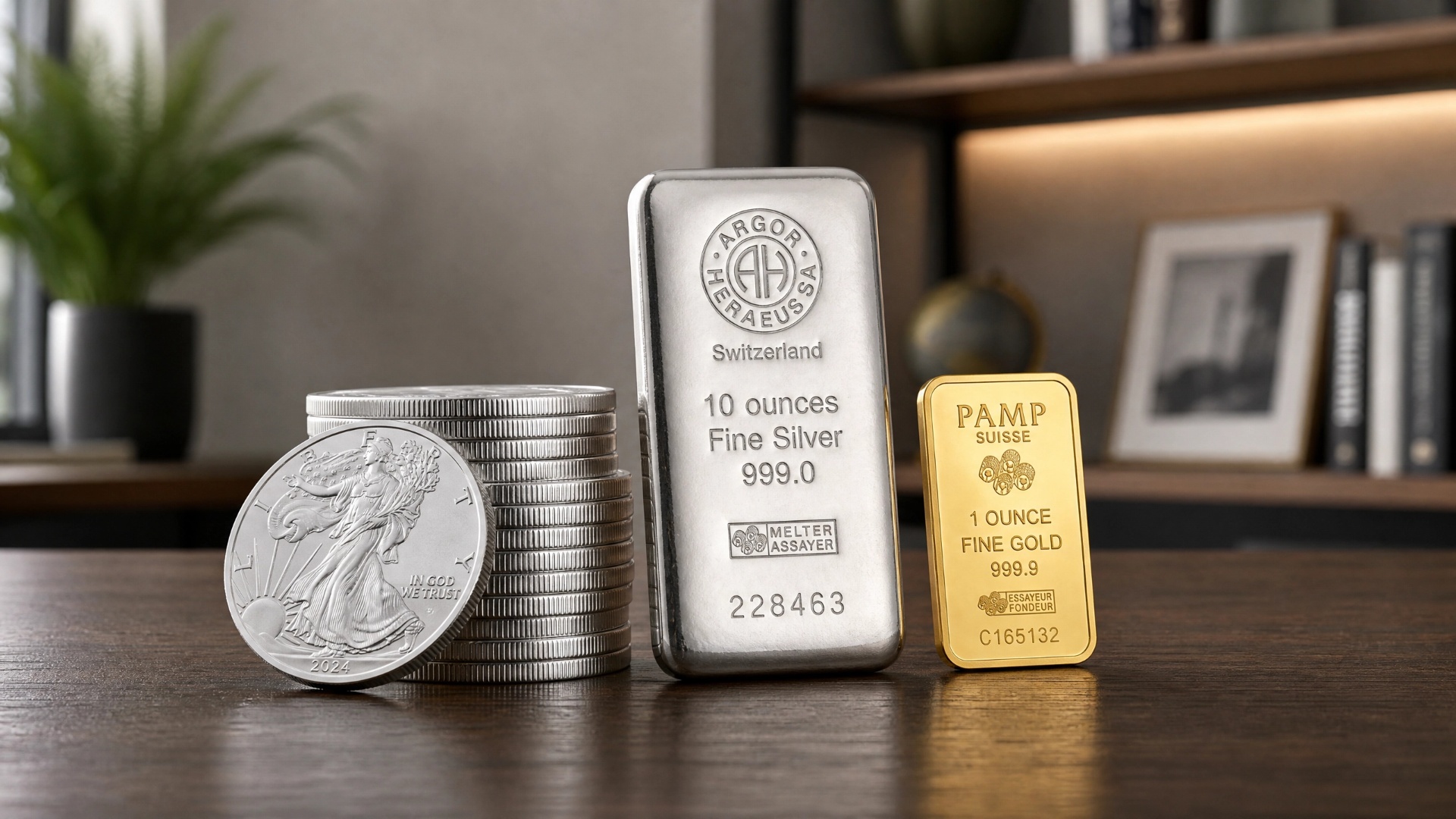
Small bars—such as 5 g or 10 g gold bars and 10 oz silver bars—help lower your average cost per ounce compared with only buying coins. Bars are typically simpler to mint and package, so premiums tend to be lower.
For a beginner, that makes bars a useful way to build weight in your starter stack without blowing up your budget. The trade‑off is that you must pay more attention to brand and gold bar resale value: reputable bars from recognized refiners or mints are much easier to sell later than no‑name pieces.
Example Starter Portfolio #1 – Low Budget Stack (Around $300–$600)
If you are starting with a smaller budget, focus primarily on silver, with simple, highly liquid products. This is often the easiest way to build a simple beginner portfolio using just a few gold and silver pieces.
A sample low‑budget starter stack might look like:
- 10–15 oz of silver in 1 oz bullion coins from major mints (for maximum recognition and liquidity).
- Optional: a 10 oz silver bar instead of some coins, if local premiums on bars are noticeably lower.
- If budget allows, add a very small fractional gold coin or bar (like 1/10 oz gold) to get your first exposure to gold.
This mix gives you real ounces in hand, a straightforward list of products to track, and an easy way to answer the question “how much gold and silver do I need to get started” without overthinking it.
Example Starter Portfolio #2 – Balanced Gold and Silver Stack (Around $1,000–$1,800)
With a mid‑range budget, you can build a genuinely balanced stack that includes both gold and silver in meaningful amounts. A common, beginner‑friendly approach is to keep most of the value in gold while letting silver provide extra volume.
One possible structure:
- 1 oz gold coin or bar as the “anchor” of the portfolio.
- 10–20 oz of silver, split between 1 oz coins and perhaps a 10 oz bar for lower premiums.
- Optionally, an extra small gold piece (like 1/10 oz) to give you more flexibility when selling.
This kind of mix might keep roughly 60–70% of your total value in gold and 30–40% in silver, which aligns with common suggestions to balance stability (gold) with the more volatile, affordable nature of silver. It is an easy way to create a balanced starter stack without overcomplicating things: a few SKUs, clear weights, and strong resale potential.
Example Starter Portfolio #3 – Higher Budget, Still Simple (Around $3,000–$5,000)
If you have a larger budget, you can scale the same beginner logic without turning your portfolio into a messy collection. The key is to increase quantity, not complexity.
A higher‑budget starter portfolio might include:
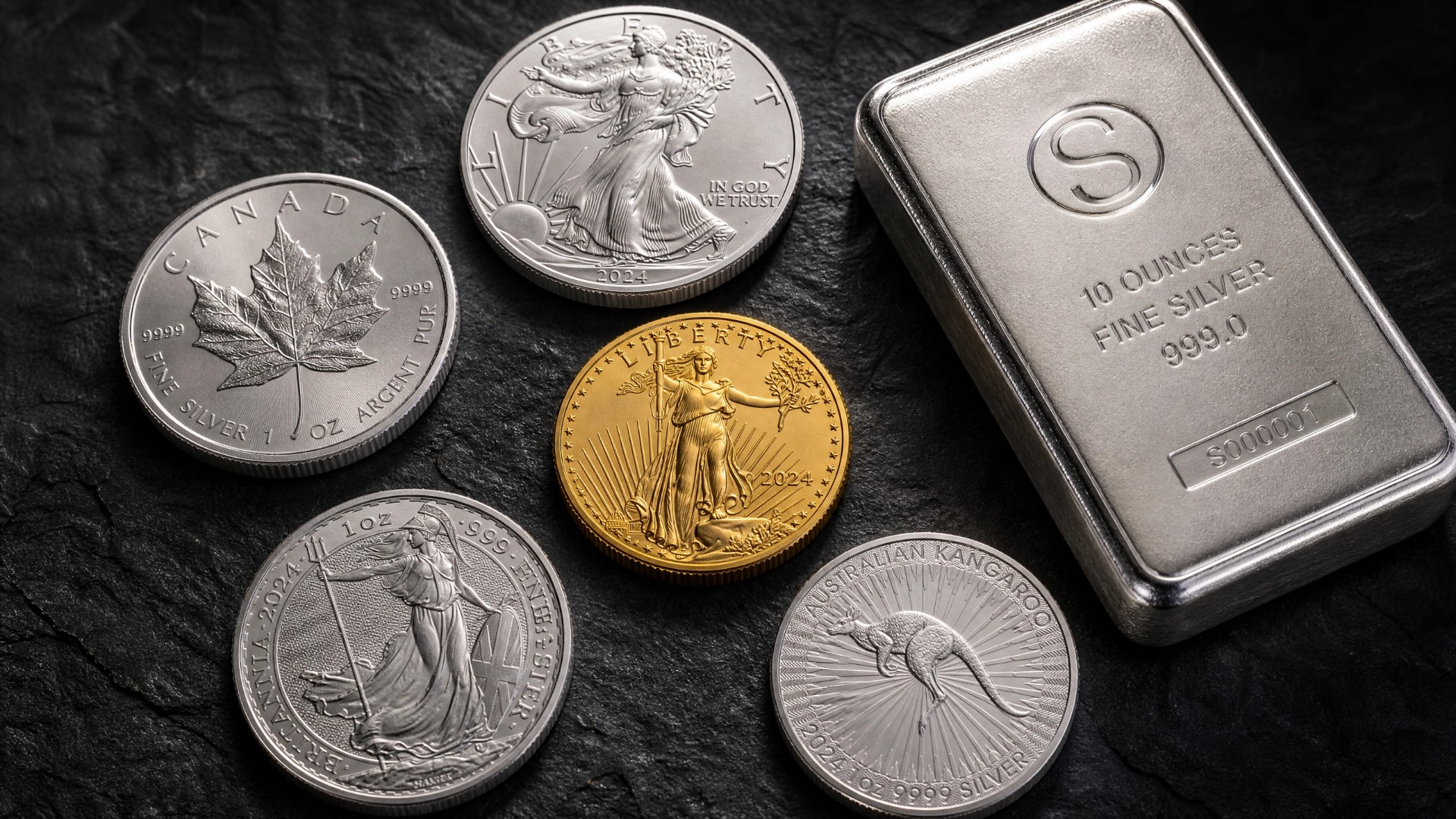
- 2–3 oz of gold, in the form of 1 oz coins or bars from well‑known issuers.
- 40–60 oz of silver, mixing 1 oz coins with a few 10 oz or even a 100 oz bar if that suits your storage and resale plans.
- At most 4–6 distinct product types total, so your stack remains easy to catalog and insure.
This keeps your starter portfolio manageable while giving you solid exposure to both metals. For investors wondering “are gold bars a good investment at higher ticket sizes,” this kind of simple, bar‑and‑coin blend is a practical answer: you get gold’s stability, silver’s upside, and multiple ways to sell in different market conditions.
Simple Rules for a Balanced Starter Stack (Without Overcomplicating Things)
A few simple rules will keep your beginner portfolio both balanced and stress‑free. If you follow these, you can avoid most of the common first‑timer mistakes.
- Start with 1–3 product types per metal (for example, one gold coin, one silver coin, one silver bar) and avoid collectible/numismatic pieces until you have more experience.
- Stick to common sizes like 1 oz coins, 10 oz silver bars, and 1 oz or fractional gold coins, which are easy to understand and sell.
- Buy only from reputable dealers or directly from mints; counterfeits and hidden markups are the fastest way to damage your returns.
- Think about storage from day one: where you will keep your gold and silver, who knows about it, and whether you may need insured vaulting later.
- Build a habit: even small monthly purchases can turn into a meaningful stack over a few years.
Ultimately, the answer to “are gold bars a good investment” or “is silver worth stacking” depends on whether your approach is consistent and realistic, not on perfectly timing the market.
Practical Tips: Where to Buy, Storage, and Next Steps
The easiest way to build a starter portfolio is to pick a reputable bullion dealer, place a small initial order, and then expand on a simple schedule. You do not need a complex strategy to benefit from owning physical metal.
When choosing a dealer, look for:
- Transparent pricing vs live spot prices, clear shipping and insurance terms, and a documented buyback policy.
- Favorable reviews, established history, and clear product descriptions that specify weight, fineness, and brand.
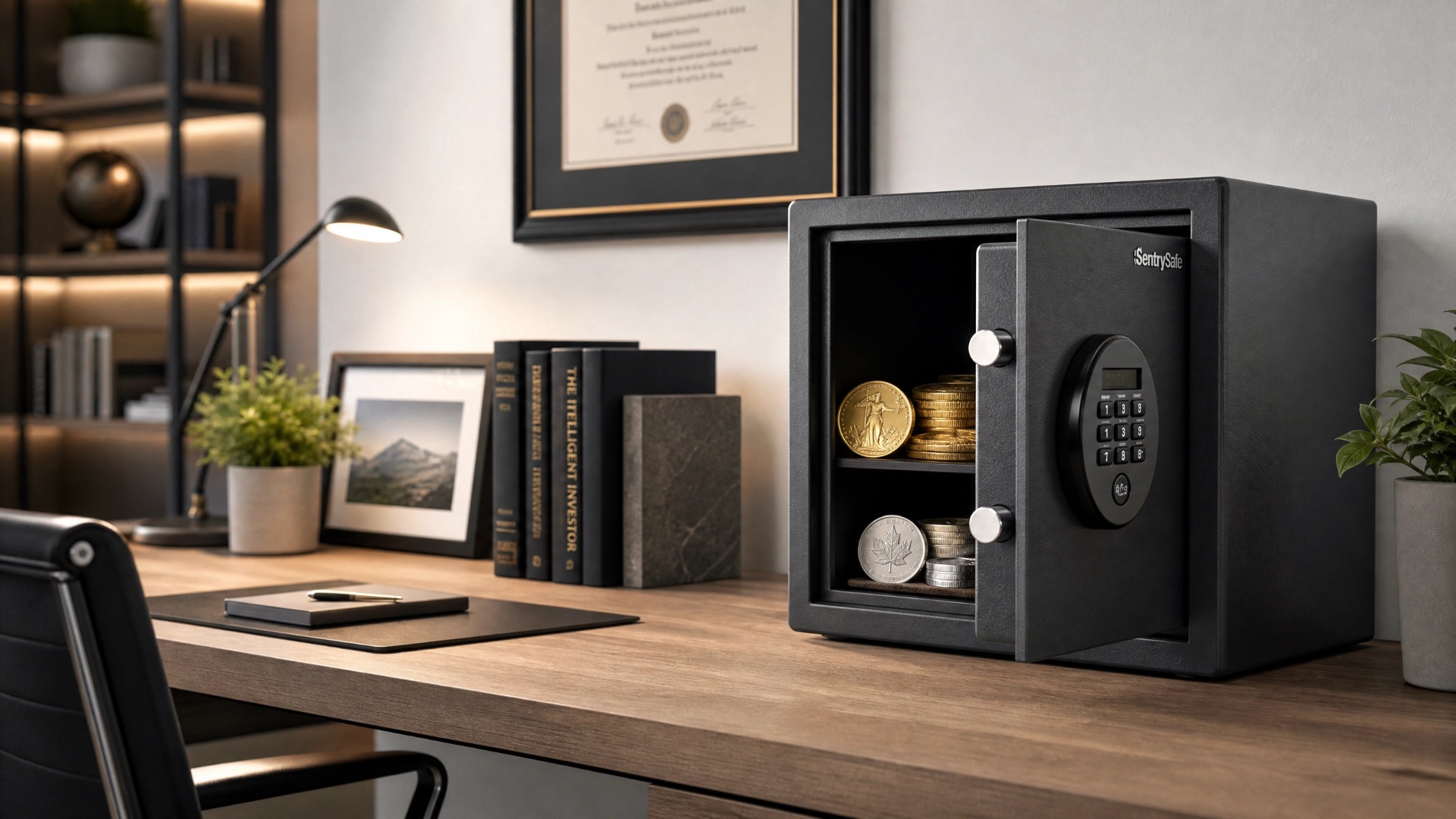
For storage, many beginners start with a discreet, high‑quality home safe and later consider bank safe‑deposit boxes or professional vaulted storage, especially as the value of their stack grows. From there, the “next step” is simple: keep checking current prices, add to your stack regularly, and avoid chasing every new product that appears.
FAQ – Beginner Gold and Silver Starter Portfolios
Each FAQ starts with a one‑sentence answer, followed by a short expansion for readers who want more context.
1. How do I build a simple beginner portfolio using just a few gold and silver pieces?
Short answer: Choose a small number of widely recognized coins and bars that fit your budget and give you exposure to both gold and silver.
Expansion: A typical simple beginner portfolio includes 1–2 gold pieces (like a 1 oz or fractional gold coin) and a stack of silver coins and/or a couple of bars totalling 10–40 oz. Focus on common sizes, reputable mints, and products your dealer actively buys back.
2. Which mix of coins and bars works best for a first precious metals purchase?
Short answer: For most beginners, coins provide flexibility and recognition, while a few small bars lower your average cost per ounce.
Expansion: A balanced first purchase might be anchored by 1 oz gold and 1 oz silver coins from major mints, with one or two 10 oz silver bars added for extra volume. This combination keeps your starter stack simple, liquid, and cost‑effective.
3. How much gold and silver does a new investor need to get started?
Short answer: You can start with a few hundred dollars in metals, then build over time as your comfort and savings grow.
Expansion: Some experts suggest keeping precious metals in the low single‑digit percentage of your overall assets at first, then gradually increasing toward 5–10% if it suits your risk tolerance. In practical terms, that might mean beginning with a $300–$1,000 starter stack, then adding steadily through monthly or quarterly purchases.
4. Are gold bars a good investment for beginners, or should I start with coins?
Short answer: Gold bars can be a good investment, but beginners often benefit from starting with coins and then adding bars as their stack grows.
Expansion: Coins tend to be more recognizable and easier to sell in small amounts, which suits new investors who may not know when they will need liquidity. As your budget and experience increase, adding small gold bars from reputable refiners can lower your per‑ounce costs without sacrificing quality.
5. Is it better to buy everything at once or build a starter stack slowly?
Short answer: Building a starter stack slowly with regular purchases is usually more comfortable and less stressful than trying to time one big buy.
Expansion: Many experienced stackers use a “dollar‑cost averaging” approach—buying the same types of coins or bars at regular intervals—to smooth out price fluctuations and avoid decision fatigue. Starting with a modest initial portfolio and then adding consistently is a proven way to grow into precious metals.
6. What is the easiest way to create a balanced starter stack without overcomplicating things?
Short answer: Limit yourself to a few core products, split your value between gold and silver, and follow simple rules of thumb on sizes and brands.
Expansion: For example, you might target 1–3 gold pieces and 10–40 oz of silver, all in common denominations and from well‑known issuers. By avoiding collectibles, staying with standard bullion, and using clear budget tiers, you can build a balanced starter stack that is easy to track and manage.
7. How important is brand and gold bar resale value in a small starter portfolio?
Short answer: Brand and resale value matter, even in a small portfolio, because they affect how easily and how profitably you can sell later.
Expansion: Well‑known bars and coins from reputable mints and refiners are easier for dealers to verify and resell, which often translates into tighter spreads and smoother transactions. Choosing recognizable products from day one helps ensure that your beginner stack remains an asset, not a liability, when you decide to cash out all or part of it.
If you are ready to move from planning to action, start by checking our live gold and silver prices and then explore our beginner bullion starter kits—or reach out for a quick consultation so we can help you turn your budget into a simple, balanced starter portfolio you can be proud of.