
Once you buy bullion, the next decision is where to store it. This guide compares home safes, bank boxes, and professional vault storage, with practical recommendations on burglary ratings, fire protection, insurance, IRA storage rules, and when a local bullion storage provider in Texas may be the best fit.
What Is the Safest Way to Store Gold and Silver?

The safest storage option depends on how much bullion you own, how quickly you may need access, and whether the metal is held personally or inside a retirement account. For small stacks, a properly rated home safe can work; for larger holdings, a professional bullion vault usually offers stronger security, clearer insurance structures, and better documentation.
As a rule, storage should be matched to the value and purpose of the stack. A good decision balances security, access, privacy, and the ease of selling or moving the metal later.
What Should You Think About Before Storing Gold and Silver at Home?
Before keeping gold and silver in your house, think about theft risk, fire risk, water damage, household privacy, and whether your homeowner’s policy actually covers bullion. Many owners assume a hidden location is enough, but the quality of the safe and the strength of the insurance matter just as much.
Home storage works best for smaller stacks when you need immediate access. If your holdings are growing, a more secure off-site solution often becomes the better long-term choice.
What Kind of Safe Works Best?
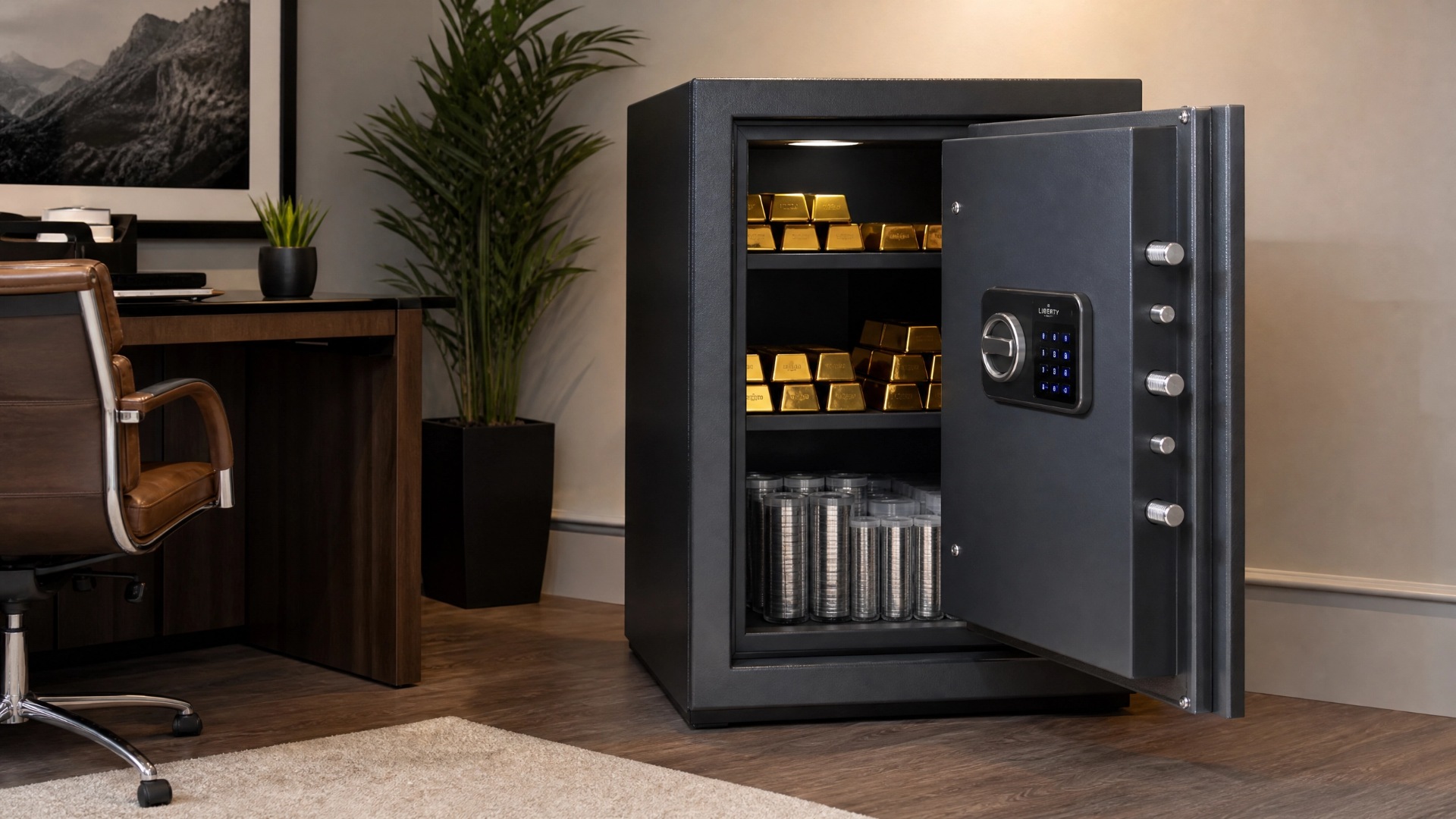
For bullion, a real safe is the baseline, not a decorative lockbox. A practical recommendation is to use a safe with at least a UL burglary rating of RSC or, preferably, TL-15 if the stack has meaningful value.
For fire protection, look for a safe rated for at least 1 hour at 1,200°F. That is a useful minimum because bullion can survive heat better than paper, but documents, receipts, and packaging may not.
Weight also matters. A safe under roughly 200 pounds is much easier to remove, so heavier is generally better if the safe will stay at home. If the safe is lighter, it should be bolted to the floor or embedded in a structure that makes removal difficult.
What Are the Main Risks of Keeping Bullion at Home?
The main risks are theft, fire, water damage, and accidental disclosure. The more people who know about your holdings, the more important discretion becomes.
Home storage can work, but it becomes less attractive as the value of the stack grows. Once your holdings reach a point where a loss would be painful, off-site storage deserves serious consideration.
Does Homeowner’s Insurance Cover Bullion?
Standard homeowner’s policies usually do not provide meaningful bullion coverage. In many cases, precious metals are capped at only a few hundred dollars—often about $200 to $500—unless you add specific coverage.
If you store metal at home, ask about a scheduled personal property rider or a separate valuables policy. These options can increase coverage, but the insurer may still require proof of purchase, storage details, and security measures such as a rated safe.
For larger stacks, insurance structures offered through a professional vault may be more practical. Those arrangements are often built around the storage provider’s procedures, documented custody, and the specific account type you open.
Should You Use a Bank Safe Deposit Box?

A bank safe deposit box can be a workable off-site storage option if you do not need frequent access. It keeps bullion away from the home and offers a familiar process for many buyers.
The drawbacks are access hours, possible policy changes, and limited flexibility if you need to move or sell metals quickly. For a larger stack, a purpose-built bullion storage service is often more convenient and better aligned with precious metals ownership.
Why Choose a Professional Bullion Vault?
A professional bullion vault is usually the strongest option for larger holdings or for owners who want higher security and cleaner documentation. These facilities are designed specifically for precious metals, not generic valuables.
That usually means better access controls, inventory tracking, insurance structures tailored to bullion, and a clearer chain of custody. For many investors, that combination is worth the added cost. You can explore how Stout Gold approaches this in their home vs. vault storage comparison.
What Is Allocated or Segregated Storage?
Allocated storage means your bullion is identified as yours and recorded separately from the provider’s own assets. Segregated storage goes further by keeping your specific items apart from other clients’ holdings.
This matters because it makes ownership clearer, supports auditing, and reduces confusion if you later retrieve or sell the metals.
How Does a Local Bullion Storage Service Protect Precious Metals?

A local bullion storage service protects metals through controlled access, surveillance, documented handling, and account records tied to your holdings. It may also provide or support insurance structures designed for bullion.
For buyers who want nearby oversight, local access can be a major advantage over distant storage. It can also simplify future liquidation if the storage provider is connected to a dealer or buyback operation.
Why Should You Consider Stout Gold’s Vault Service?

Stout Gold offers a vault storage option for buyers who want a local, bullion-focused solution after purchase. This is useful if you prefer to keep your metals in a professional environment instead of at home or in a generic bank box.
Stout Gold’s vault service is designed to give bullion buyers a more secure and more practical storage path, especially for people who want local access and a provider that understands coins and bars. For customers in the region, it can be a straightforward way to keep storage and purchasing under one roof.
Is Local Bullion Storage in Texas a Good Fit?
Choosing a local bullion storage provider in Texas can make sense if you want easier access, simpler communication, and a provider that understands regional buying and selling patterns. For users searching for gold storage Amarillo TX, a local option can be especially appealing because it combines proximity with specialized metals handling. You can learn more in this local guide to buying, selling, and storing gold in Amarillo.
Local storage is often a good fit when you want to inspect holdings, avoid shipping metals long distances, or maintain a relationship with a nearby bullion dealer. If convenience and trust matter as much as security, local bullion storage can be the most practical middle ground.
How Do Home, Bank Box, Vault, and IRA Storage Compare?
The right choice depends on security, access, insurance, and whether the bullion is personally owned or held inside a retirement account. The table below adds the most important comparison points for quick decision-making.
| Storage option | Security | Access | Insurance structure | Suitable for IRA | Recommended for stack size |
|---|---|---|---|---|---|
| Home safe | Good if the safe is rated and concealed | Immediate | Usually homeowner policy only, often limited | No, not for IRA-held bullion | Small stacks |
| Bank safe deposit box | Physically separate from home | Bank hours only | Varies by bank; often limited | No, not for IRA-held bullion | Small to medium stacks |
| Professional bullion vault | Very strong, purpose-built controls | Scheduled or managed access | Vault-specific insurance structures | Sometimes yes, if custodian-approved | Medium to large stacks |
| Allocated or segregated vault storage | Very strong | Scheduled or managed access | Usually documented under vault terms | Often yes, through approved custodians | Medium to large stacks |
| IRA-held bullion storage | Custodian-controlled | Managed by custodian rules | Often built into custodian/vault structure | Yes, required | Retirement assets only |
How Much Gold and Silver Justifies Better Storage?
The more valuable your metals become, the more sense it makes to move from home storage to a vault or other off-site solution. A modest starter stack may fit comfortably in a rated home safe, but a larger stack often deserves stronger controls and clearer documentation.
A simple rule is this: if a loss would create real financial stress, your storage method should be upgraded. That often means better burglary protection, better insurance, and possibly a professional storage provider.
What Should You Know About Precious Metals IRA Storage?
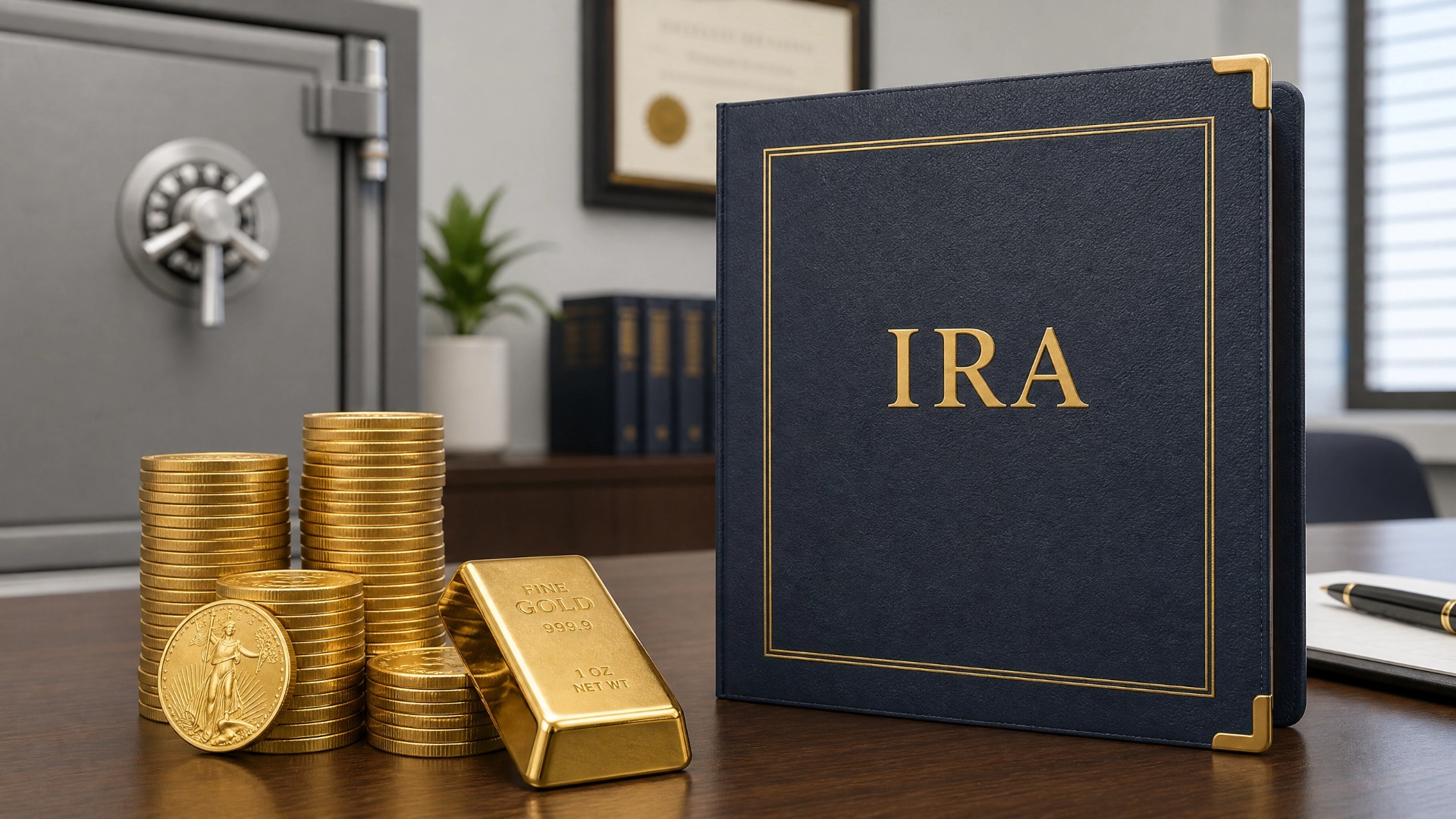
If bullion is held inside a precious metals IRA, it cannot be stored at home. IRA-held bullion must be kept by an IRS-approved custodian or through an approved storage arrangement that follows IRA rules.
This is an important distinction because many people confuse personal bullion ownership with IRA bullion ownership. If you want tax-advantaged retirement treatment, the storage rules are more restrictive, and the account structure—not the owner—controls where the metal is kept.
For that reason, IRA investors should plan storage before purchase. The custodian, depository, and storage terms need to be compatible from the start. The IRS guidance on self-directed IRAs outlines the applicable rules and approved asset types.
What Are the Common Mistakes to Avoid?
One common mistake is assuming a hidden location is secure enough on its own. Without a strong safe, proper insurance, and privacy, hidden storage can still be vulnerable.
Another mistake is choosing the cheapest option without checking insurance, access, or ownership records. The right storage solution is the one that protects the metal and still works for you operationally.
Finally, avoid sharing storage details with too many people. Privacy is one of the cheapest and most effective security layers you can use.
FAQ
Here are a few related questions that often come up after buyers choose a storage method.
Can I store gold in a precious metals IRA at home?
No. IRA-held bullion must be stored with an IRS-approved custodian or through an approved depository arrangement, not in your home.
Does homeowner’s insurance cover bullion?
Usually only in a very limited amount unless you add a rider or separate valuables policy. Standard coverage often caps bullion at a few hundred dollars.
What is the difference between allocated and segregated storage?
Allocated storage means the bullion is identified as yours, while segregated storage keeps your specific items physically separate from other clients’ holdings.
Is a local bullion storage provider better than a bank box?
It can be, especially if you want easier access, bullion-specific handling, and clearer documentation. A local provider may also be more practical if you plan to buy, store, and sell through the same business.
If you want a storage setup that fits your stack, your access needs, and your budget, start by comparing home, bank, and vault options side by side. For buyers in Texas, Stout Gold’s vault service offers a local bullion storage path that is worth considering alongside your purchase.