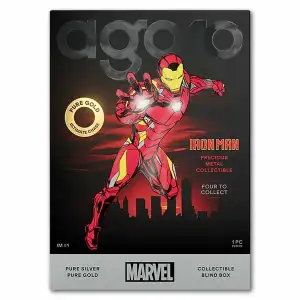
Themed gold and silver coins are fun to own, but they behave very differently from low-premium bullion. This guide gives you a clear framework to tell whether a themed coin is more collectible than investment grade, how much of your precious-metals budget should go into licensed pieces, and how to keep your stack focused on real metal value over the long term.
What Is an Investment-Grade Coin vs a Collectible Coin?
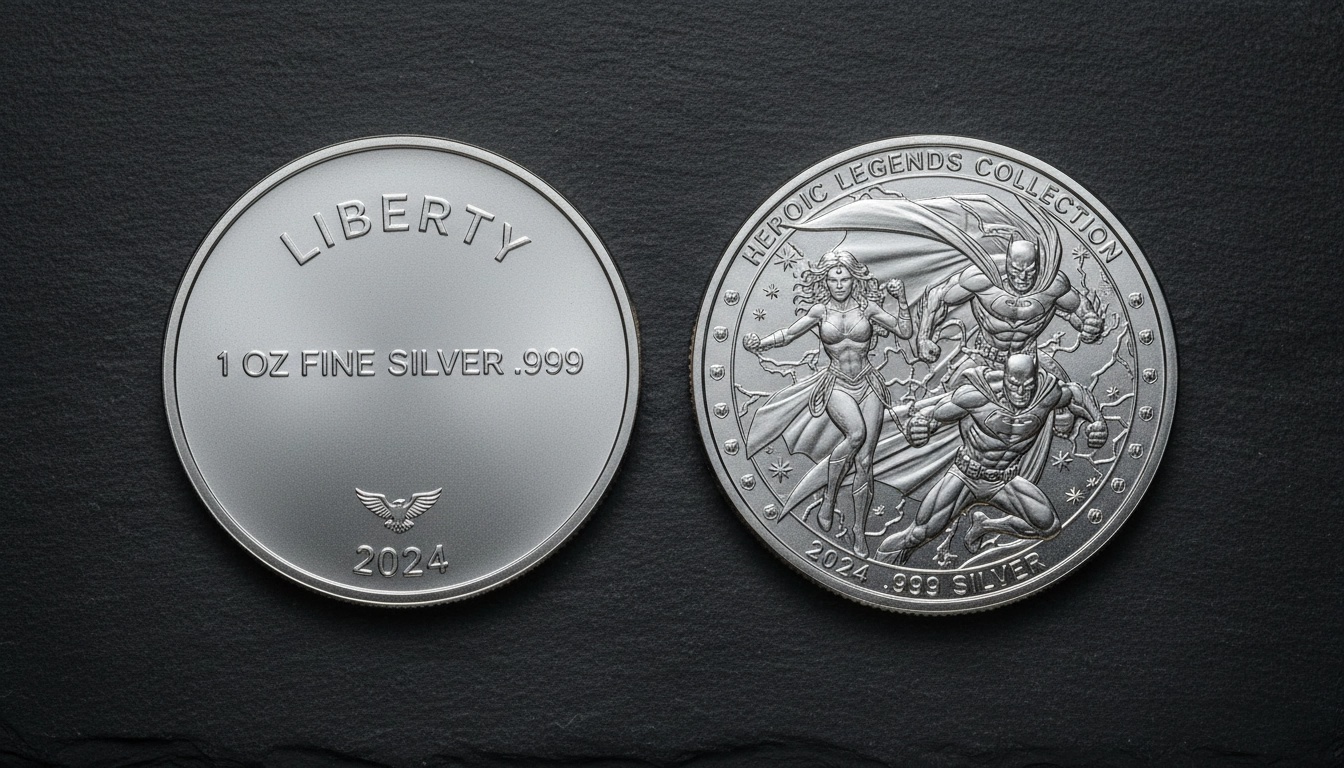
As a practical rule of thumb, many precious-metals investors consider a coin investment-oriented when most of its value comes from the underlying metal content rather than collectible premiums. If roughly 80% or more of the coin's market value is explained by spot metal value, it generally behaves more like bullion than a collectible asset.
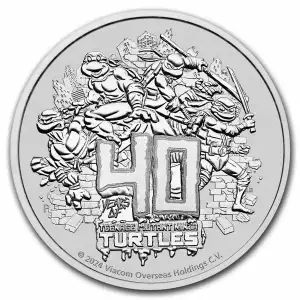
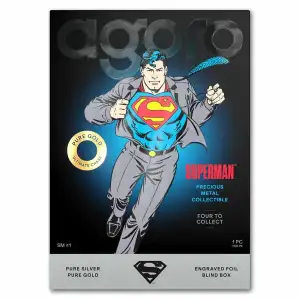
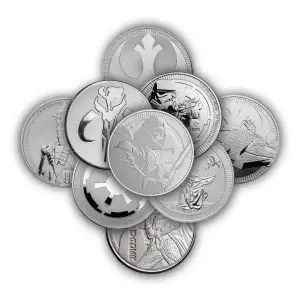
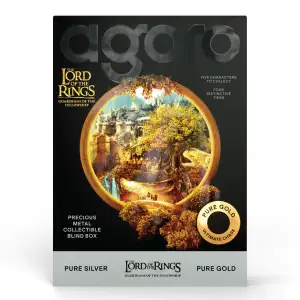
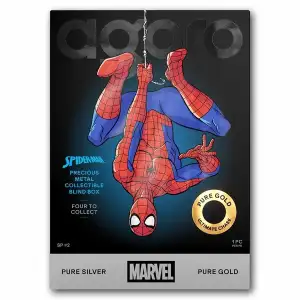
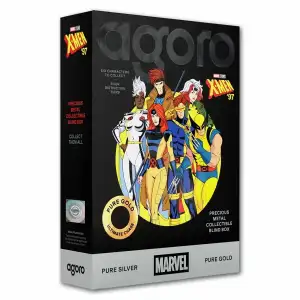
Licensed themed coins — Marvel, Star Wars, Disney, and similar franchises — usually sit in between: they are legal tender bullion but carry meaningful collectible premium. The key is to recognize which side dominates the coin you are looking at, so you know whether you are stacking ounces or paying mainly for story.
How Do Bullion, Numismatic, and Licensed Collectible Coins Compare?
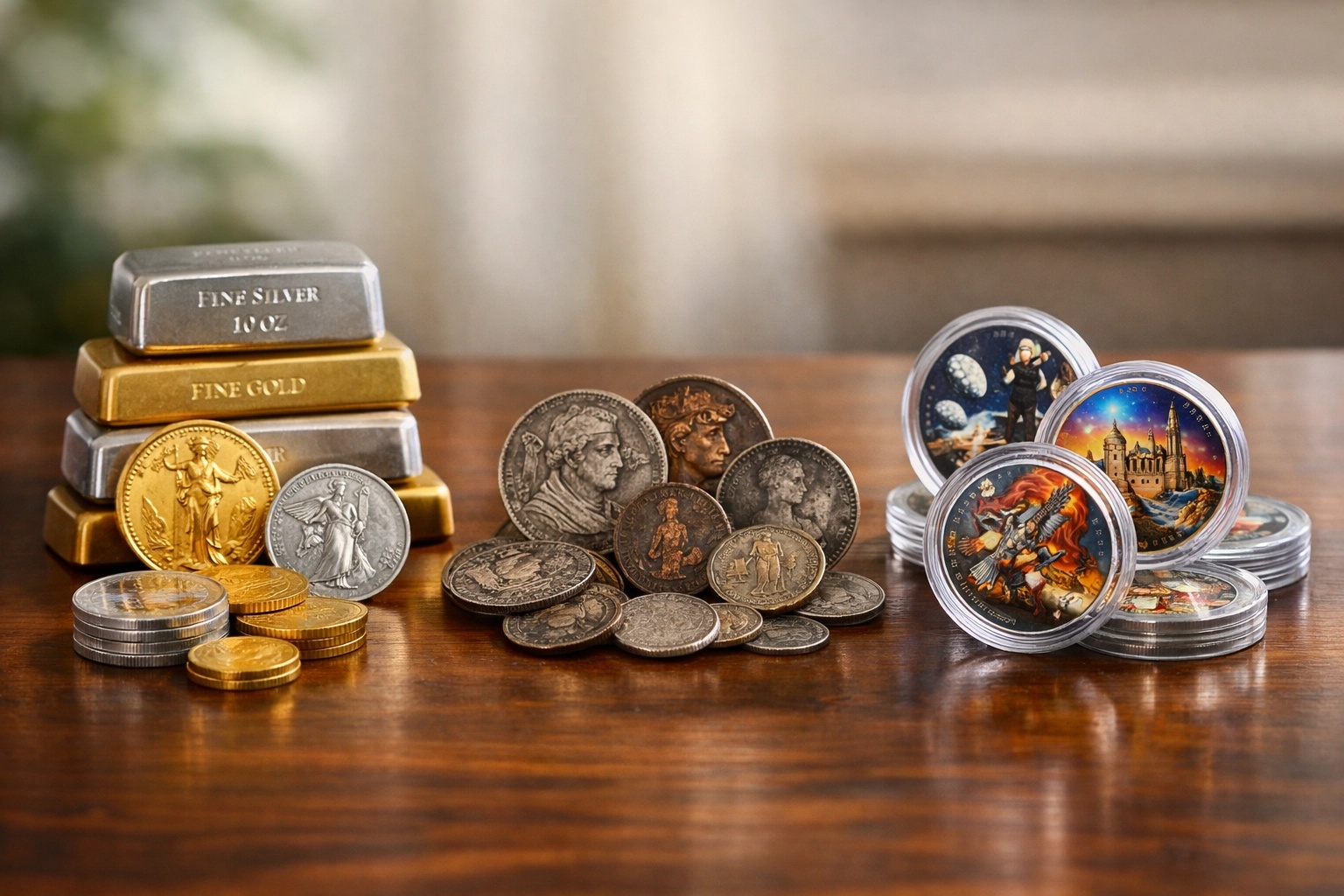
To keep your strategy "evergreen," look at the mechanics, not the specific franchise. The table below compares three broad categories you will see in the market.
Bullion vs Numismatic vs Licensed Collectibles
| Type of coin | Typical premium over spot | Main price driver | Typical liquidity channel | Behavior when spot moves | Who it suits best |
|---|---|---|---|---|---|
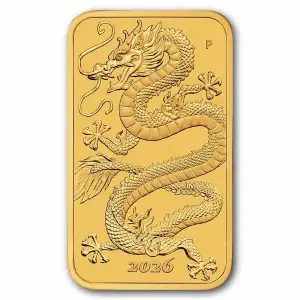
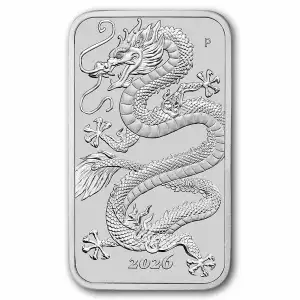
| Bullion (low-premium) | ~2–10% for gold, ~5–20% for silver | Metal content and spot price | Any bullion dealer, broad secondary market | Closely tracks spot after normal spread | Core stackers and investors |
| Numismatic (classic) | Often 30–100%+ over spot | Rarity, age, grade, collector demand | Specialized dealers, auctions, numismatic market | May move independently of spot | Coin collectors, specialists |
| Licensed themed collectible | Commonly 25–50%+ over spot at issue | License, design, limited mintage, fandom | Niche bullion/collectible dealers, online collectors | Can lag spot; premium may expand or compress | Hybrid "fan stackers", gift buyers |
A simple rule of thumb: once a coin's premium consistently exceeds about 25–30% over a comparable bullion coin, you should treat it primarily as a collectible, not as a pure stacking vehicle.
How Do You Tell If a Themed Coin Is More Collectible Than Investment Grade?
You can tell by asking four questions about the coin's pricing mechanics, not its brand:
- What is the premium percentage over spot vs standard bullion of the same metal and weight?
If the themed coin is 30%+ more expensive than a comparable low-premium bullion coin, the extra cost is mostly collectible premium. - Is the mintage limited and marketed heavily as "limited edition" or "exclusive"?
Aggressive scarcity language usually means you are paying for collectability. - Would the coin still sell easily if the design were plain but the metal content identical?
If not, the design and license are doing most of the work. - How does the resale market look — tight spreads with many buyers, or only a few niche outlets?
Narrow, niche resale channels signal collectible status. Understanding how easy it is to resell your coins before you buy is a critical step many new stackers overlook.
If your honest answers point to high premium, limited mainstream liquidity, and heavy reliance on fans of a franchise, the coin is more collectible than investment grade.
What Is the "Collectible Risk Index" and How Can You Use It?

The Collectible Risk Index (CRI) is not an industry-standard metric. It is a simple educational framework intended to help investors think more systematically about collectible premiums, liquidity, and long-term demand. Score each criterion from 1–3, then total the points:
- 1 point = low collectible risk (more like bullion)
- 2 points = moderate collectible risk (hybrid)
- 3 points = high collectible risk (mostly collectible)
Collectible Risk Index (CRI)
Score each criterion 1–3:
- Premium over spot vs standard bullion
1 point: under 15% higher than equivalent bullion
2 points: 15–30% higher
3 points: 30%+ higher - Liquidity and resale channel
1 point: widely bought by many bullion dealers
2 points: bought by some dealers, mainly online specialty shops
3 points: only niche communities or peer-to-peer resale - Price driver (metal vs theme)
1 point: price clearly dominated by metal weight and spot
2 points: mix of metal and design/license
3 points: design/license clearly more important than metal - Mintage and marketing intensity
1 point: standard mintage, minimal hype
2 points: limited mintage but modest marketing
3 points: heavy "limited edition" hype with small mintage - Franchise longevity and licensing horizon
1 point: long-lived, evergreen themes (decades of cross-generational fandom)
2 points: solid but relatively recent or niche themes
3 points: short-lived or very recent licenses with uncertain 10-year outlook
How to read your score:
- 5–7 points: behaves mostly like bullion; collectible risk is low.
- 8–11 points: hybrid; fine for the "fun" slice of your stack, not for the core.
- 12–15 points: high collectible risk; treat it purely as a collectible purchase.
This index keeps your decision grounded in mechanics rather than trends, so it stays useful even as different franchises fall in and out of fashion. For deeper context on how numismatic grading and rarity affect coin value, PCGS offers a thorough educational resource.
Should You Add Marvel, Star Wars, or Disney Coins to a Serious Bullion Stack?
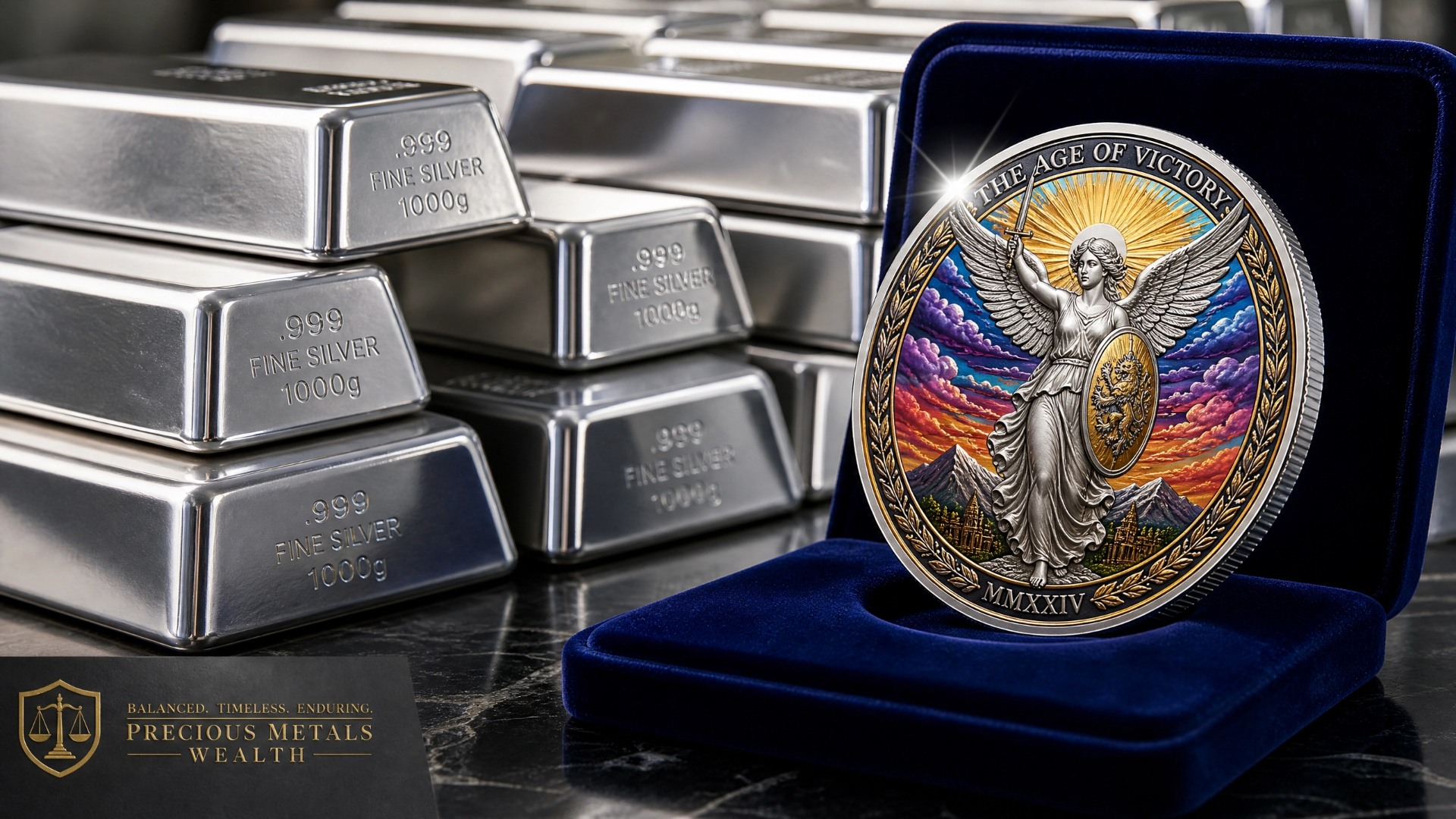
You can add Marvel, Star Wars, or Disney coins to a serious bullion stack, but only after your core low-premium allocation is in place. The key principle: stack first, collect second.
- Who should add them?
People with a solid base of bullion, who understand they are taking on collectible risk and are comfortable allocating a small, defined portion of their metals budget to it. - When do they make sense?
When you want enjoyment and display value, you are buying gifts for fans, or you are specifically building a small "fun sleeve" in your metals plan.
Any licensed product whose franchise popularity might fade or whose licensing term is shorter than about 10 years carries an elevated risk that its premium will compress over time. That is true regardless of whether the name on the coin is Marvel, Star Wars, Disney, or any other license.
What Are the Differences Between Stacking Low-Premium Bullion and Buying Licensed Collectibles?
The differences show up most clearly in premium, liquidity, and price behavior over time.
How Do Themed Silver Coin Premiums Compare to Spot?
When you compare a typical Marvel-themed silver coin to a plain 1 oz bullion round:
- A low-premium 1 oz silver bullion round might be, for example, 10–20% above spot.
- A licensed 1 oz Marvel silver coin is often issued at 25–50% or more above spot, sometimes higher for special finishes or packaging.
A practical guideline: once a themed coin's price is more than about 25–30% over the cost of a comparable bullion coin of the same weight and metal, you should treat that extra cost as collectible premium, not as part of your stacking budget.
How Do "Star Wars Coin Resale Values" Behave?
Star Wars and similar franchise coins often resell at a wider spread than standard bullion:
- Common, non-scarce pieces may sell back closer to their metal value, with much of the original premium eroded.
- Scarcer or especially iconic designs can hold more premium, but this depends heavily on collector demand at the time you sell.
In practice, resale value can be highly uneven across series and years. That is why you should never rely on licensed coins as your only form of precious-metals savings. A strong core of silver bullion or gold bullion that closely tracks spot is a far more reliable foundation.
How Much of Your Precious-Metals Budget Should Go into Fun Collectible Pieces?
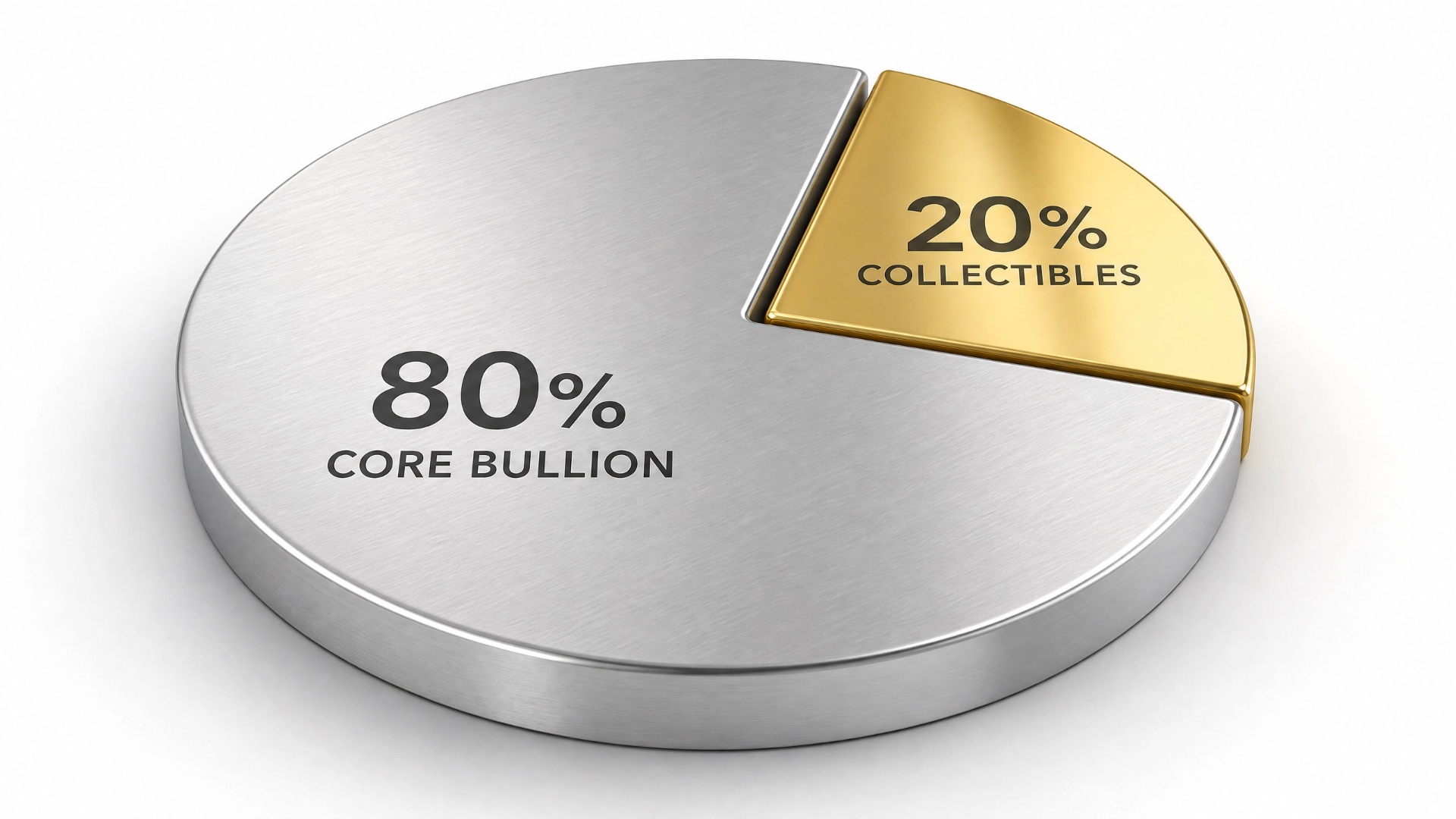
For most stackers, a prudent range is to keep 70–90% of metals spending in low-premium bullion and 10–30% in collectibles, with most people more comfortable at the lower end of that collectible range.
- Conservative profile: 5–10% collectibles, 90–95% bullion.
- Balanced profile: 10–20% collectibles, 80–90% bullion.
- Hobbyist profile: 20–30% collectibles, 70–80% bullion (only if you fully accept collectible risk).
If your overall portfolio target is, for example, 10% in metals, you might hold 8–9% in low-premium silver coins or bars and 1–2% in themed coins. That keeps your net worth anchored in metal value, not in niche fandom markets. The U.S. Mint's bullion coin program is a useful reference point for understanding government-issued coins that reliably track metal content.
How Should You Adjust Your Mix Over Time?
You should review your mix at least once a year and adjust if collectibles begin to outgrow your target range. A simple process:
- List your holdings and separate them into "core bullion" vs "collectibles" based on premium and behavior.
- Calculate the percentage of metals value in each bucket.
- If collectibles exceed your target (say, 20%), slow new collectible purchases or consider selling a few high-CRI pieces back through a trusted dealer.
This keeps your stack aligned with your original purpose — long-term wealth preservation — while still letting you enjoy licensed pieces.
How Should You Evaluate a Specific Themed Coin Before Buying?
Before buying any themed coin, run through this four-step checklist:
- Compare the premium over spot to a plain bullion coin of the same weight and metal.
- Check mintage and whether the marketing leans heavily on "limited edition" hype.
- Research resale channels and recent sales to see if it trades regularly. Tools like NGC's coin price guide can help you gauge realistic secondary market values.
- Estimate its Collectible Risk Index score using the 1–3 ratings above.
If the CRI score is high and the premium is far above 25–30% over comparable bullion, you are clearly in collectible territory. That is fine if you are buying for fun — but label it honestly in your own records.
How Do You Keep Collectibles and Investment Bullion Organized in Your Stack?
The easiest way is to organize physically and on paper:
- Keep separate storage or boxes for core bullion vs collectibles. If you are holding significant weight, exploring a dedicated bullion storage solution is worth considering.
- Maintain an inventory spreadsheet with columns for metal type, weight, premium, CRI score, and whether the coin is "Stack" or "Collectible."
- Periodically review your totals to ensure your collectible slice stays within your chosen budget.
This simple discipline helps prevent your "fun purchases" from quietly taking over a serious stack.
FAQ: Collectible vs Investment Coins
1. How can I tell if a themed silver coin is a good investment or just a collectible?
You can tell by measuring premium and liquidity: if the coin costs more than about 25–30% above an equivalent bullion coin and relies on design or licensing to justify that price, it is primarily a collectible, not investment-grade bullion.
2. Should I add Marvel, Star Wars, or Disney coins to a serious bullion stack?
You should only add them after you have built a solid core of low-premium bullion and then cap them at a small, defined percentage of your metals budget, such as 10–20%.
3. What percentage of my precious-metals budget should go into fun collectible pieces?
For most people, keeping collectibles to around 10–20% of metals spending is a reasonable range, with the remaining 80–90% reserved for bullion that closely tracks spot.
4. Do licensed pop-culture coins ever become good long-term investments?
Some licensed series can appreciate over time if they are truly scarce and maintain strong fan demand, but outcomes are uneven and speculative, so you should never rely on them as your primary wealth-preservation tool.
5. Are generic rounds or bars better than themed coins for stacking?
Generic low-premium rounds and bars are usually better for stacking because they offer more metal per dollar and track spot more predictably, while themed coins add variable collectible premium that may not hold.
6. How does a "Collectible Risk Index" help me decide what to buy?
A Collectible Risk Index assigns a 1–3 score to criteria like premium, liquidity, price driver, mintage, and franchise longevity, then totals them so you can quickly see whether a coin behaves more like bullion (low score) or like a speculative collectible (high score).
7. Who are licensed themed coins best suited for?
Licensed themed coins are best for collectors and fans who enjoy the designs and are comfortable allocating a limited, clearly defined slice of their metals budget to higher-premium pieces. Browse the full range of themed bullion to find pieces that match your interests.
8. When is it a bad idea to buy themed collectibles?
It is a bad idea if you still lack a core bullion position, if you do not understand the resale market, or if you are paying very high premiums without being willing to treat the purchase as a collectible rather than a pure investment.
9. How should I handle themed coins in my records and planning?
You should track them separately from core bullion, assign them a Collectible Risk Index score, and include them in a "collectible" bucket so they do not distort your perception of your stack's metal value.
10. How often should I review the balance between bullion and collectibles?
Review at least annually, or any time you make a large themed purchase, to ensure your collectibles remain within your target percentage of the total metals stack.
If you want your stack to work as both a stable store of value and a source of enjoyment, build your low-premium bullion foundation first — whether that's silver bullion, gold bullion, or numismatic coins — then add themed coins using a clear Collectible Risk Index and a fixed budget percentage. That way you can enjoy your favorite franchises without losing sight of why you started stacking in the first place.