What Is the Austrian Gold Philharmonic Coin?
The Austrian Gold Philharmonic coin is a government-issued gold bullion coin produced by the Austrian Mint, first introduced in 1989 and widely recognized across global markets. A bullion coin is a coin valued primarily for its precious metal content rather than rarity or collectibility.
Named after the world-famous Vienna Philharmonic Orchestra, this coin quickly became one of Europe's best-selling gold coins. According to the World Gold Council, gold's role as a portfolio diversifier is a major reason coins like the Philharmonic see steady demand.
For both investors and collectors, the Austrian Gold Philharmonic coin offers a balance of beauty, simplicity, and real gold value.
Key Specifications and Features
The Austrian Gold Philharmonic coin is known for its high purity and standardized sizing, making it easy to buy, sell, and store.
- Purity: .9999 fine gold (24 karat)
- Weights: 1 oz, 1/2 oz, 1/4 oz, 1/10 oz
- Face value: Denominated in euros (€100 for 1 oz)
- Mint: Austrian Mint (Münze Österreich)
Fineness is the measure of a precious metal's purity expressed as a decimal, so .9999 means the coin is 99.99% pure gold. This makes the Philharmonic one of the purest widely traded gold coins in the world.
Unlike some other bullion coins, it does not include alloy metals for durability, which is an important distinction for buyers comparing options against our full lineup of Austrian gold coins.
Design: Why the Philharmonic Stands Out
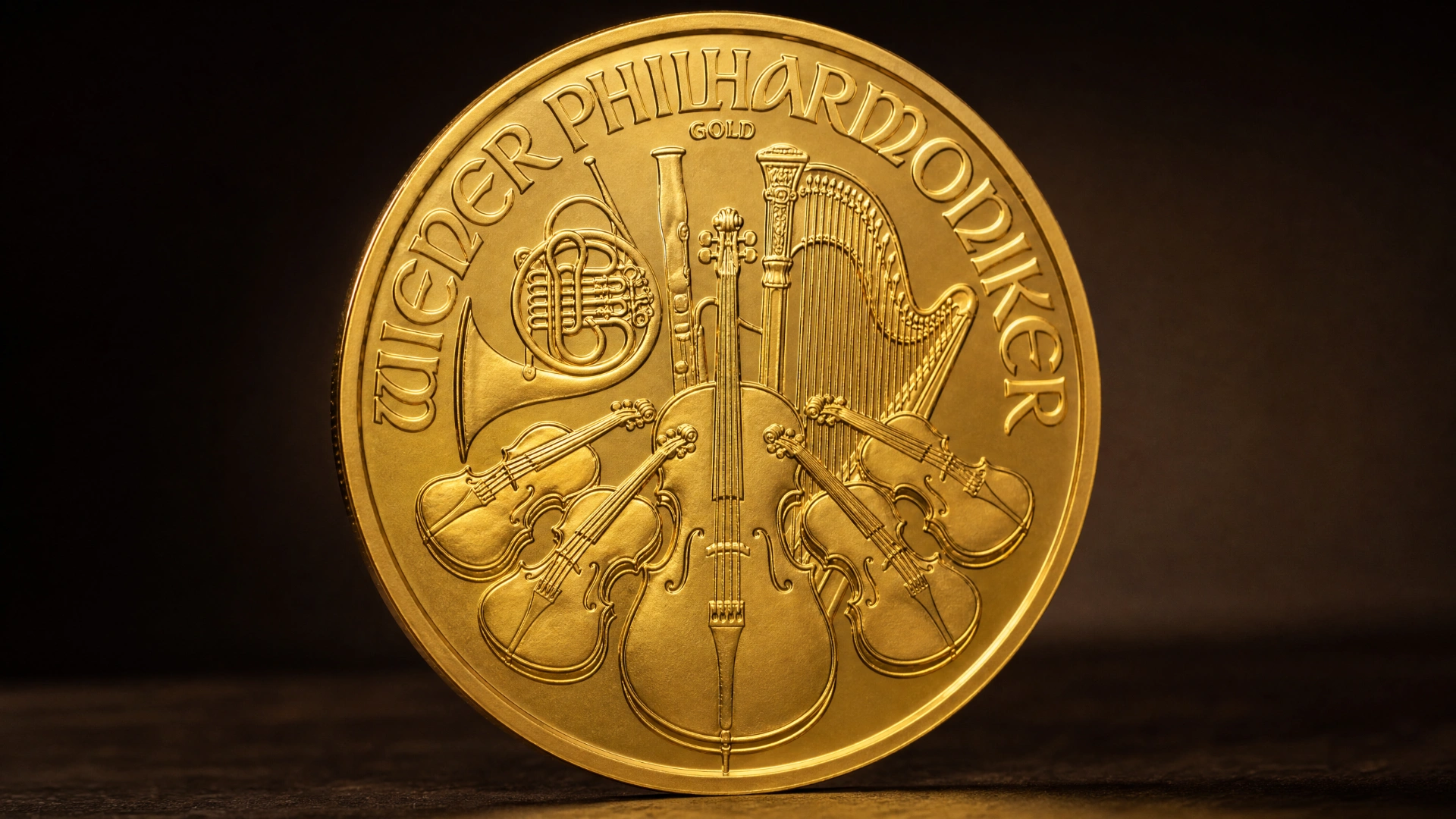
The Austrian Gold Philharmonic coin stands out for its elegant, music-themed design that appeals to both investors and collectors.
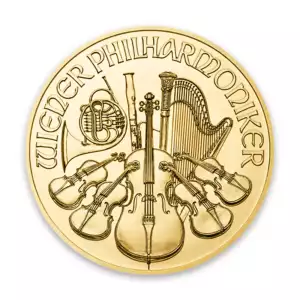
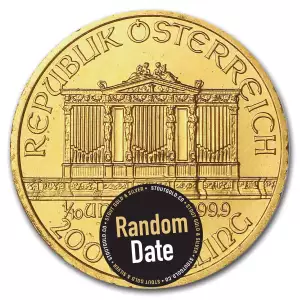
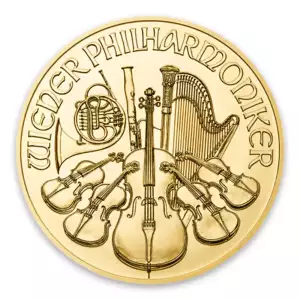
The obverse (front) features the Great Organ from Vienna's Musikverein concert hall, one of the most famous music venues in the world, as shown on the official Vienna Philharmonic coin page. The reverse displays a collection of orchestral instruments including a cello, violins, harp, bassoon, and French horn.
While many bullion coins focus on national symbols or wildlife, the Philharmonic's design celebrates culture and the arts. This makes it especially popular as a gift or as an entry point for collectors who want both intrinsic value and visual appeal.
Why Investors Choose Philharmonic Gold Coins
Investors choose Austrian Philharmonic gold coins primarily for their purity, global recognition, and ease of resale.
Because they are .9999 fine gold, these coins closely track the gold spot price. Spot price is the current market price for immediate delivery of gold, and it serves as the baseline for all bullion pricing.
Their international recognition also matters. Coins produced by established government mints like the Austrian Mint are widely trusted, which means they are easier to sell almost anywhere in the world.
For U.S. buyers, Philharmonics offer a way to diversify beyond domestic coins while still holding a highly liquid, investment-grade asset. The World Gold Council notes that gold can help diversify risk during periods of market stress, which is a key reason investors choose coins like this.
Philharmonic vs American Gold Eagle
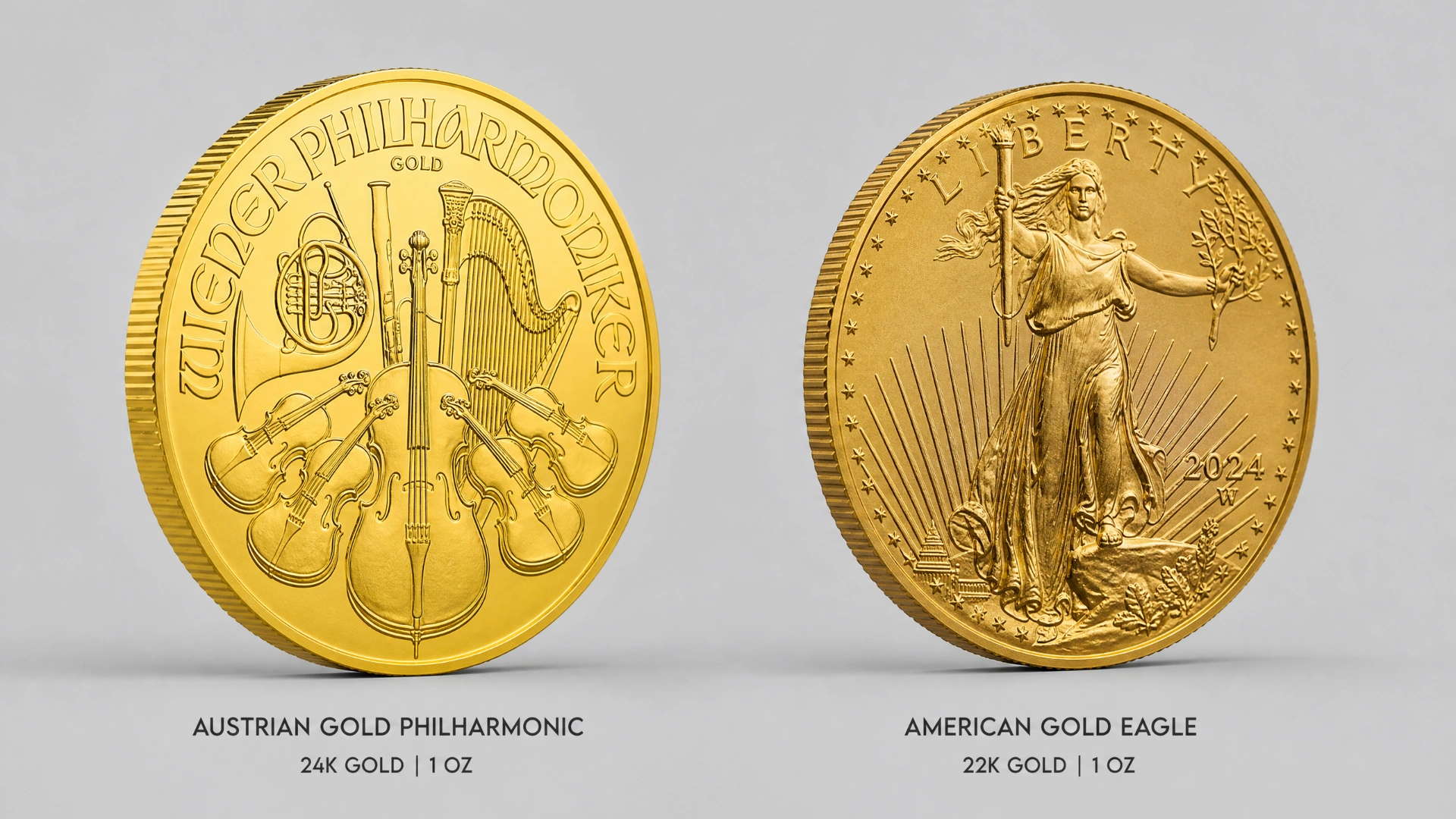
The key difference between the Philharmonic and the American Gold Eagle is purity versus durability.
The Austrian Philharmonic is .9999 fine (24k) gold, while the American Gold Eagle is .9167 fine (22k) and includes small amounts of silver and copper. Alloyed gold is gold mixed with other metals to increase durability and resistance to scratches. If you'd like to compare options directly, you can browse our American Eagle gold coin collection.
Here's how that plays out in practice:
- Philharmonic: Higher purity, softer, favored by investors who want maximum gold content
- American Gold Eagle: More durable, often preferred for frequent handling or U.S.-focused portfolios
Both coins contain exactly 1 troy ounce of gold in their 1 oz versions, despite the difference in purity. According to the U.S. Mint's bullion coin program details, Gold Eagles are intentionally struck in 22-karat alloy to provide extra strength while still delivering one full troy ounce of gold content.
Premiums, the amount you pay above spot price, can vary between the two depending on market demand, but both are considered top-tier bullion options.
Is the Philharmonic a Good Investment?
Yes, the Austrian Gold Philharmonic is considered a strong bullion investment due to its purity, liquidity, and global recognition.
Gold bullion is commonly used as a hedge against inflation and economic uncertainty. Gold has historically helped diversify portfolios and manage risk during periods of market stress.
The Philharmonic fits well into this strategy because it is easy to buy and sell worldwide, closely tracks the gold market, and is produced by a respected government mint.
Like all gold, its value will fluctuate with the market. It is best viewed as a long-term store of value rather than a short-term profit vehicle.
How to Buy Philharmonic Gold Coins in the U.S.
You can buy Austrian Gold Philharmonic coins in the U.S. through reputable bullion dealers, either in-store or online.
When buying, focus on a few key factors:
- Transparent pricing tied to spot price
- Clearly stated premiums
- Authenticity guarantees
A premium is the amount added to the spot price to cover minting, distribution, and dealer costs. This is standard across all bullion products.
Many buyers appreciate working with a long-established, family-owned dealer like Stout Gold & Silver, serving customers since 1986. Others prefer the convenience of ordering the 1 oz Austrian Gold Philharmonic coin online from our store, especially with free shipping on orders over $199.99.
What to Know Before You Buy
Before purchasing a Philharmonic coin, it helps to understand storage, taxes, and handling.
Storage is one of the most important considerations. Our secure bullion storage service is designed to protect precious metals with high-level security, offering peace of mind beyond home storage.
You should also handle .9999 gold coins carefully, as they are softer than alloyed coins. Protective capsules or holders are a simple way to maintain condition.
Tax treatment can vary depending on your location, so it is worth checking local regulations if you are buying in larger quantities. General guidance from reputable financial and government resources can help you understand the basics.
Selling Austrian Gold Philharmonic Coins
Selling Austrian Philharmonic coins is typically straightforward because of their global recognition and standardized gold content.
The value of your coin is primarily based on its melt value. Melt value is the intrinsic value of the gold in the coin based on current spot price. Condition generally matters less for bullion coins than for rare collectibles.
Well-known coins like the Philharmonic are easier to sell than obscure products. Most established dealers, including Stout Gold & Silver, regularly buy back these coins through our coin buyback program at competitive rates.
Philharmonic Coins for Collectors and Gifts
Austrian Philharmonic coins are not just for investors; they are also popular with collectors and gift buyers.
Their artistic design and European heritage give them a unique identity compared to more utilitarian bullion coins. This makes them a meaningful gift for milestones like graduations, anniversaries, or first-time investors.
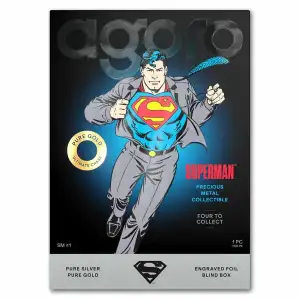
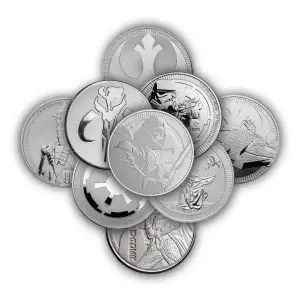
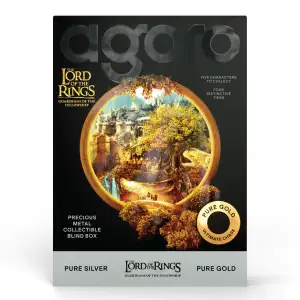
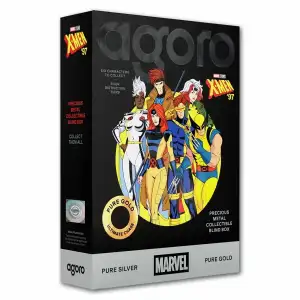
They also pair well with other forms of collectible precious metals, including themed bullion. Themed bullion refers to coins and bars featuring licensed designs from pop culture, combining precious metal value with collectible appeal.
Why Stout Gold & Silver Customers Choose the Philharmonic
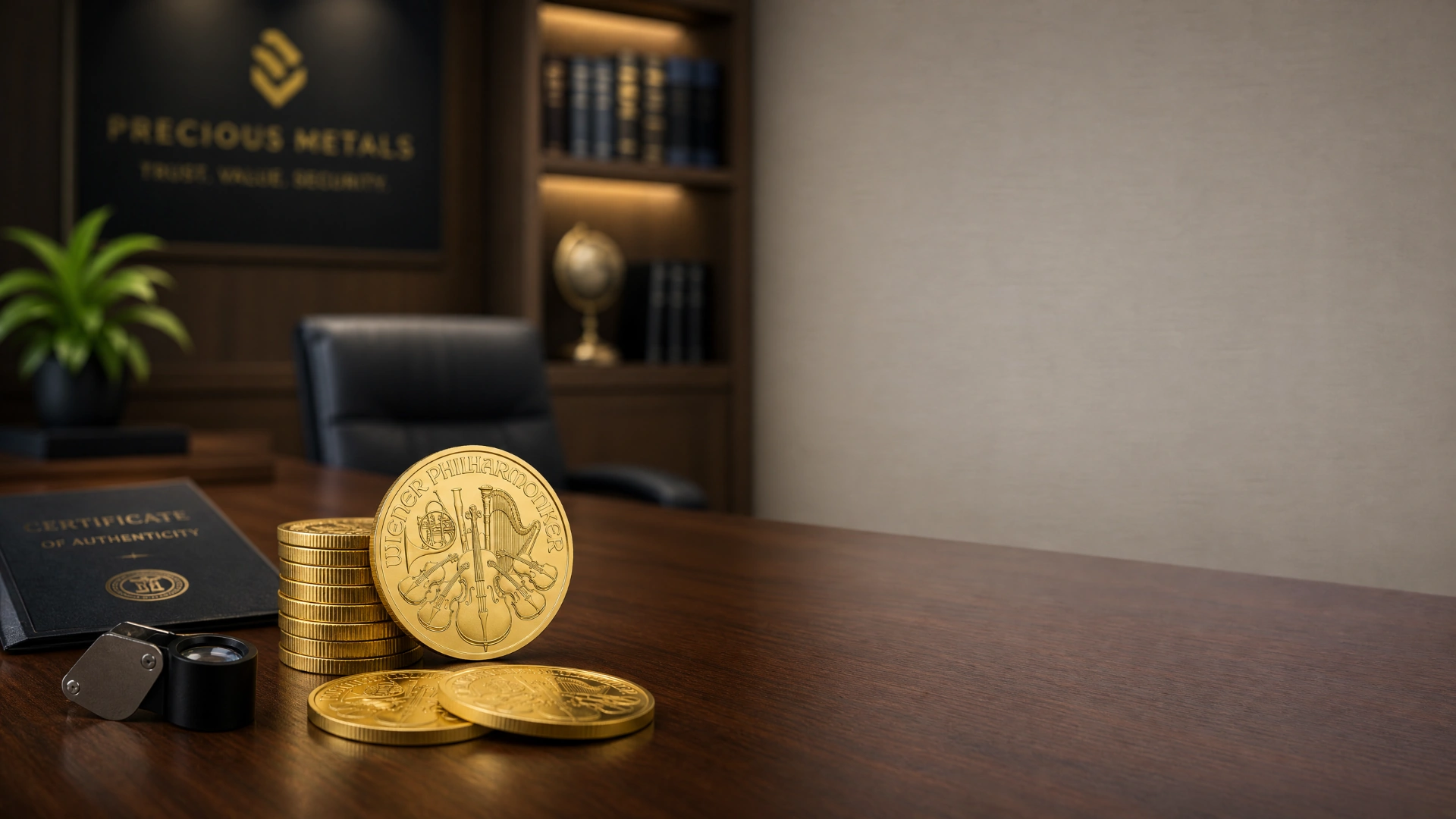
Stout Gold & Silver customers often choose the Austrian Gold Philharmonic because it combines trusted purity, global recognition, and a design that feels special to own.
Compared with buying from pawn shops or large online-only retailers, working with a family-owned dealer since 1986 offers a different experience. Our team takes time to explain spot price, premiums, and coin options, so you understand exactly what you are buying.
You also have the option to see coins in person at our physical storefront, ask questions face to face, and know there is a clear buyback path if you ever decide to sell. That combination of education, transparency, and real-world presence is why many investors and collectors prefer us over more anonymous alternatives.
FAQ: Austrian Gold Philharmonic Coin
Q: What is an Austrian Gold Philharmonic coin?
A: An Austrian Gold Philharmonic coin is a .9999 fine gold bullion coin produced by the Austrian Mint and backed by the Austrian government. It is valued primarily for its gold content and global recognition.
Q: How pure is the Vienna Philharmonic gold coin?
A: The Vienna Philharmonic gold coin is 99.99% pure gold, also known as 24 karat gold. This makes it one of the purest bullion coins available.
Q: Is the Philharmonic coin 24k gold?
A: Yes, the Philharmonic coin is 24k gold. Its .9999 fineness indicates nearly pure gold content with minimal impurities.
Q: What sizes are available for Philharmonic gold coins?
A: Philharmonic gold coins are available in 1 oz, 1/2 oz, 1/4 oz, and 1/10 oz sizes. These options allow flexibility for different budgets and investment goals.
Q: How does Philharmonic compare to American Gold Eagle?
A: The Philharmonic is purer (.9999) while the American Gold Eagle is more durable (.9167). Both contain one troy ounce of gold in their 1 oz versions, but they differ in alloy content and design.
Q: Which is better: Philharmonic or American Eagle for investment?
A: Both are strong choices; Philharmonics offer higher purity, while Eagles offer durability and strong U.S. recognition. The better option depends on your preferences for purity, handling, and resale market.
Q: How much is a 1 oz Philharmonic gold coin worth?
A: A 1 oz Philharmonic coin is worth the current gold spot price plus a premium. The exact value changes daily based on the gold market and dealer pricing.
Q: Where can I buy Philharmonic gold coins in the USA?
A: You can buy Philharmonic gold coins from Stout Gold & Silver in person or through our online store with free shipping on orders over $199.99. Our physical shop is located at 2300 SW 7th Ave, Suite 105, Amarillo, TX 79106, and you can call (806) 374-8698 for questions or availability.
Q: Are Austrian Philharmonic coins easy to sell?
A: Yes, they are easy to sell due to their global recognition and standardized gold content. Most reputable dealers, including Stout Gold & Silver, readily buy them.
Q: Do Philharmonic gold coins carry higher premiums?
A: Premiums vary based on market conditions but are generally competitive with other major bullion coins. Demand, availability, and dealer policies can all influence pricing.
Q: Should I get my gold coins graded or appraised?
A: Most bullion coins do not need grading because their value is tied to gold content, not condition. However, appraisals from qualified experts familiar with PCGS coin grading standards can be useful for insurance or estate planning.
Q: How do I know my Philharmonic coin is authentic?
A: Authentic coins come from trusted dealers and may be verified through weight, dimensions, and testing methods. Established dealers perform these checks before selling and may provide documentation or receipts for your records.
Visit Us or Shop Online
If you are considering an Austrian Gold Philharmonic coin, you can explore current inventory and pricing in person or online.
Visit Stout Gold & Silver at 2300 SW 7th Ave, Suite 105, Amarillo, TX 79106, Monday through Friday from 10:00 a.m. to 4:00 p.m. You can also call (806) 374-8698 to ask about availability, pricing, or secure storage options.
Prefer to buy from home? Browse our online store and take advantage of free shipping on orders over $199.99, then reach out if you would like friendly, expert help choosing the right Philharmonic for your goals.