Why storage choice matters for bullion owners
Choosing between a home safe and a professional vault matters because security, insurance, cost, and access affect the safety and value of your metals. Your storage decision should match how much you hold, how often you access it, and how much risk you are comfortable taking.
Quick definitions (first-use terms)
Bullion is metal valued primarily for its precious-metal content, typically forged as bars or government coins.
Numismatic refers to collectible coins whose value includes rarity, condition, and historical interest.
Spot price is the current market price for one troy ounce of a metal like gold or silver.
Premium is the extra you pay above spot for a coin or bar.
Melt value is the raw metal value of an item based on spot price.
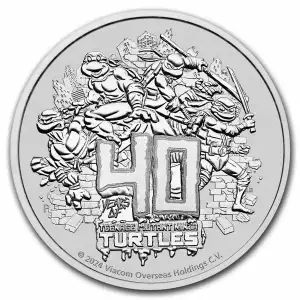
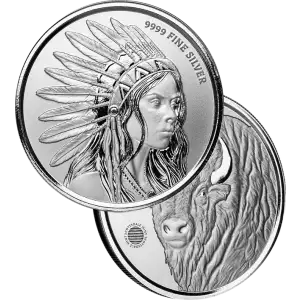
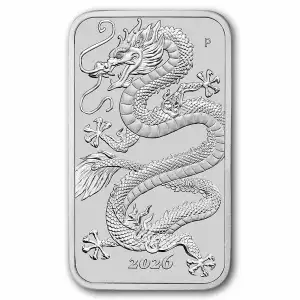
Themed bullion and hand-poured silver are collectible or artisan pieces that combine metal value with design appeal.
Quick comparison: home safe vs professional bullion storage
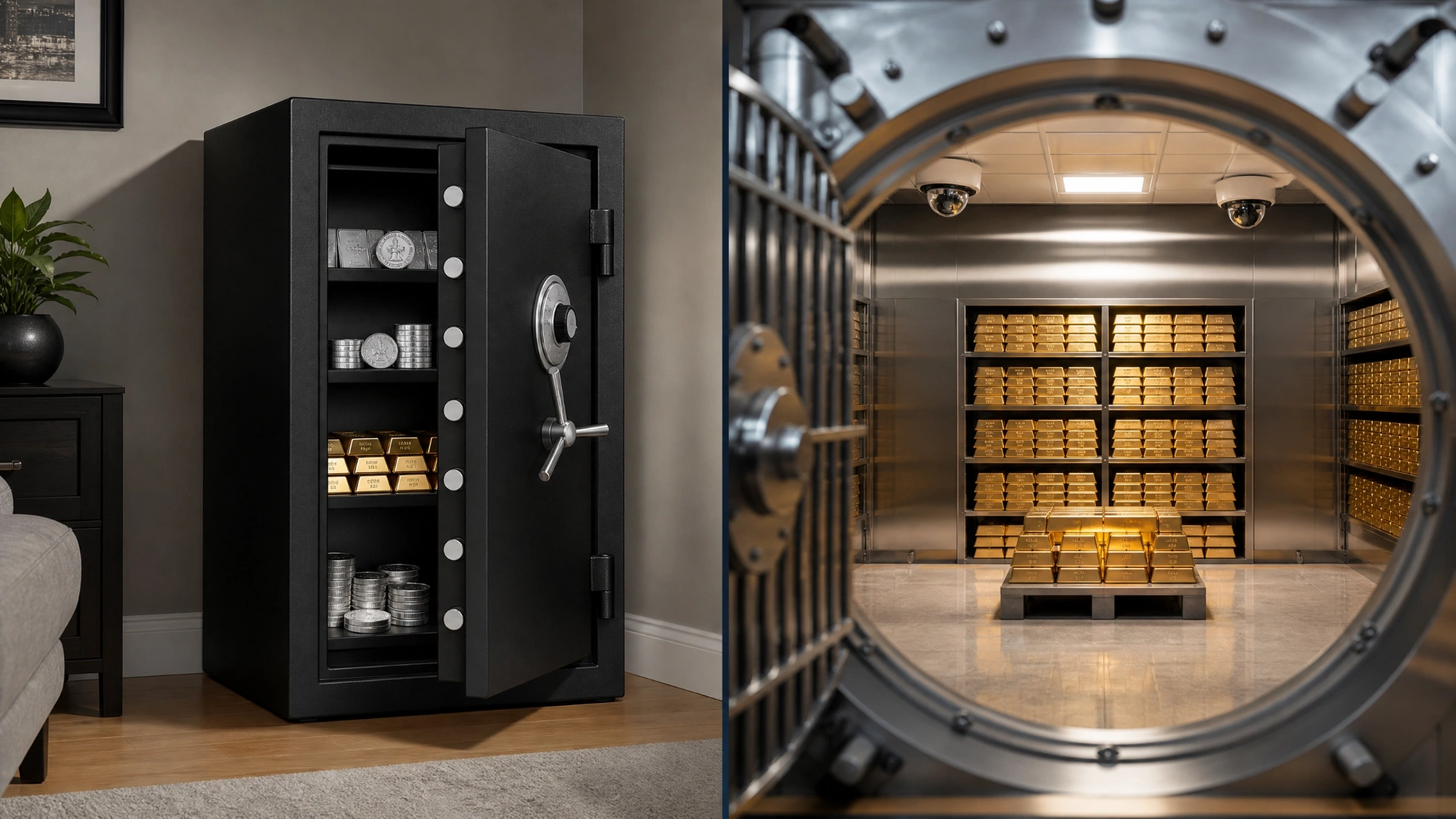
Home safes give immediate access and privacy but carry higher theft and disaster risk unless you invest in a high-rated safe, bolting, and alarms. Professional bullion storage in a dedicated facility typically offers higher physical and procedural security, audited inventory, and insurance options but comes with recurring fees and less instant access.
Who this helps: bullion investors, coin collectors, and beginning stackers deciding where to keep a small starter stack or a larger long-term holding. This mixed piece uses examples from Amarillo and the Texas Panhandle while staying useful to readers across the country.
How secure are home safes?
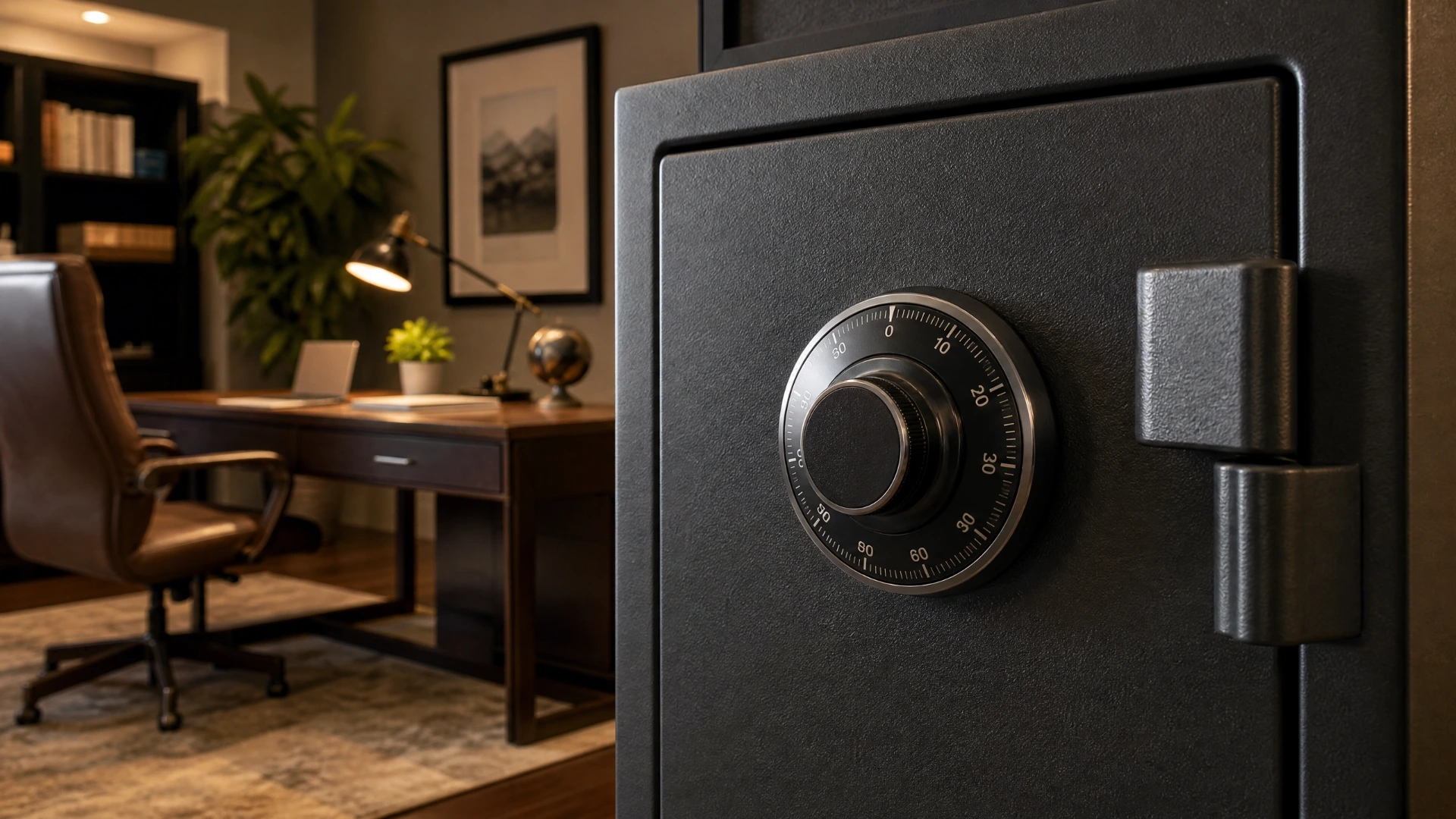
Home safes can be secure if you choose the right rating and install them properly; however, many home safes are vulnerable to determined burglars and common household risks. Even if you later decide to use a bullion storage facility in Texas, a well-chosen safe still helps you hold a small amount at home for convenience.
Safe types and ratings to know
UL/EN ratings are industry standards for burglary and fire resistance; for example, a safe with a UL TL-15 rating resists tool attacks for a set time. Fire ratings (minutes at specific temperatures) protect paper and some plastics; look for at least 60–120 minutes for important documents and coin folders.
For bullion, choose a heavy, boltable safe (size to hold rolls of coins, trays, or 1 oz bars) with a quality lock (mechanical or high-end electronic). Consider interior layout to avoid scratches or contact damage and leave room if you plan to grow your stack over time.
Weak points: location, concealment, and human factors
Many thefts occur after burglars find a safe’s location—placing it in a secure, inconspicuous spot and bolting it down helps. Social engineering (sharing about your holdings) and family members who know where the safe is increase risk.
Combine a good safe with an alarm system, CCTV, and a realistic plan for documentation and insurance. This is where guidance from a dealer like Stout Gold & Silver, which talks storage with buyers before and after the sale, can make a big difference.
How secure are professional bullion storage facilities?
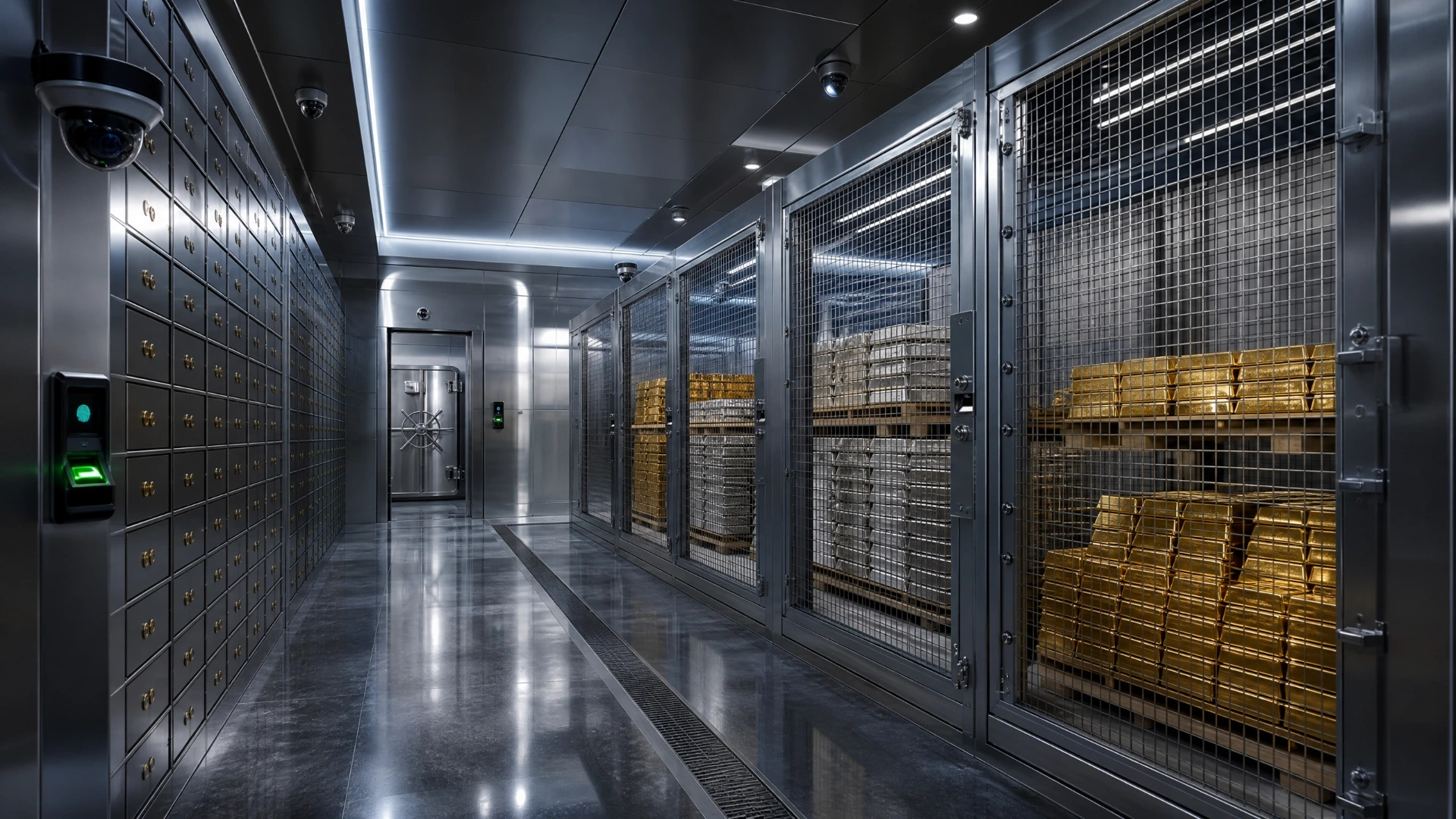
Professional vaults provide layered security and procedural controls that typically exceed what a homeowner can reasonably install, making them a strong option for medium to large stacks. A well-run bullion storage facility in Texas also adds audited records and insurance coverage that home safes alone can’t offer.
Vault features and certifications
Reputable facilities use biometric access, dual-control procedures (two-person rule), CCTV, motion sensors, fire suppression, and redundant power. Many vaults carry third-party audits and affiliations that add trust—look for independent audits and memberships with reputable industry associations such as the American Numismatic Association or the Industry Council for Tangible Assets.
Trust signals such as PCGS certification standards or NGC certification for graded coins can complement storage trust, though these are separate services. Facilities in Texas typically follow best practices used across the industry and may offer allocated storage (specific items stored for you) or segregated options.
Insurance, auditing, and legal protections
Vault storage often includes facility insurance covering physical loss, but policies vary; ask whether the facility’s policy covers market value or replacement value and whether there are sub-limits. Audits and inventory control reduce human-error risks, and chain-of-custody documentation shows provenance and helps when selling or insuring.
Ask about legal ownership terms: allocated vs unallocated storage affects how ownership is recorded and recovered in disputes. When in doubt, a local expert like Stout Gold & Silver can walk you through what your paperwork actually means before you sign.
Costs compared: what you’ll pay for bullion storage
Costs differ because a home safe is mostly a one-time purchase, while a bullion storage facility in Texas charges ongoing fees. Your ideal setup often blends both—buy a solid safe for everyday access and use secure bullion storage for the bulk of your holdings if your stack grows.
Home safe purchase and maintenance costs
One-time safe costs range from a few hundred dollars (basic models) to several thousand for high-rated burglary and fire safes. Installation and bolting add labor costs and may require reinforcing floors or walls for heavier units.
Add alarm system installation, monitoring fees, and possible home upgrades. Over years this can be cheaper than vault fees for small holdings but lacks professional oversight and insured, audited storage.
Vault storage fees and billing (Texas examples)
Professional bullion storage typically charges based on value or cubic volume, with fees billed monthly or annually. Expect modest annual percentages for insured, allocated storage; small accounts may face minimums.
Additional fees may include setup, ingress/egress (bringing items in or out), and transport or courier insurance. For Amarillo customers, local vault options like the secure storage offered alongside Stout Gold & Silver can reduce transport fees and simplify access.
Accessibility & liquidity: how quickly can you access or sell your metals?
Accessibility is about how fast you can touch or sell your metals, and bullion storage facilities and home safes each trade convenience against security. A hybrid approach—some at home, some in a vault—often gives the best balance for Texas Panhandle investors.
Home safe: instant access pros and cons
You can access bullion anytime with no delays, which is convenient for small, frequently used collections. Instant access can invite impulse selling during market swings and increases theft risk if others learn where you keep metals.
Vault: withdraw, delivery, and sale workflows
Withdrawals from vaults usually require a request, identity verification, and scheduling; delivery or couriering adds time and cost. Many reputable dealers offering vault services, including Stout Gold & Silver in Amarillo, can sell stored metals on your behalf—check the facility’s policies and any seller fees.
For buyers who value liquidity and security, a hybrid approach (keep a small usable stash at home, store the bulk in a vault) often fits. A local vault inside a dealer you already trust also reduces friction when you decide it is time to sell.
Insurance and legal considerations for bullion storage
Insurance and ownership documentation can matter as much as locks and cameras, because they determine what happens if something goes wrong. Whether you choose a home safe, a bullion storage facility in Texas, or both, make sure your paperwork matches your risk tolerance.
Insuring a home collection
Homeowner policies often limit coverage for high-value precious metals and may exclude certain losses; schedule items on your policy or purchase a rider for full coverage. Keep purchase receipts, photos, and inventory lists to support claims, and regularly update appraisals for numismatic pieces where market premiums matter.
Insuring vault-stored bullion
Vaults commonly include physical loss insurance; confirm whether the policy covers market value and ask for proof of coverage. For high-value numismatic items, consider separate appraisal-based insurance since replacement cost may differ from metal value.
The World Gold Council notes that gold is often used as a long-term store of value, which means insurance and legal clarity are essential parts of a sound strategy. An experienced dealer like Stout Gold & Silver can help you align your storage documents with your long-term plan.
Special considerations for collectors and themed bullion
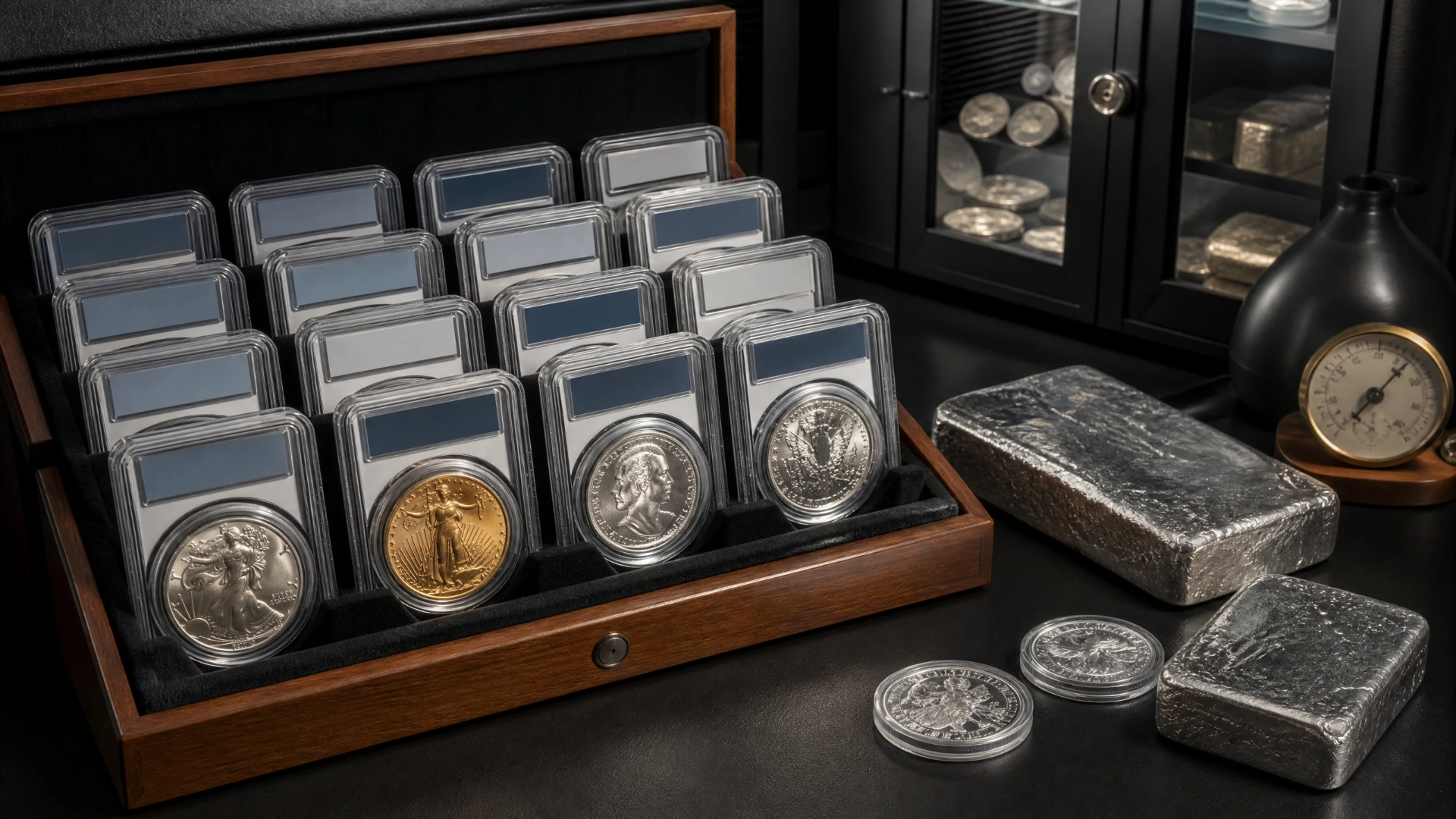
Collectors and fans of themed bullion have to protect both the metal and the collectible appeal. That makes storage choices especially important, whether at home or in a professional bullion storage facility.
Numismatic and graded coins
Graded means a coin has been professionally evaluated and slabbed (encapsulated) with a numerical grade from services like PCGS or NGC grading services, which protects value and helps resale. Numismatic coins benefit from climate-controlled, low-touch storage to protect condition.
Discuss grading and secure storage options before consigning rare pieces. Stout Gold & Silver regularly helps Amarillo collectors decide which coins belong in a vault and which can safely live in a home safe in the Texas Panhandle climate.
Hand-poured silver and display pieces
Hand-poured silver and themed bullion are both collectible and contain intrinsic metal value. Their surfaces may be more prone to fingerprints or tarnish, especially if displayed.
Use inert packaging (mylar flips or archival boxes), low-humidity storage, and minimal handling to preserve finishes. If you want to display a few favorites at home while keeping the bulk secure, a dealer-backed vault plus a small, well-managed home safe can give you the best of both worlds.
Practical steps to decide what’s right for you
In practice, the “right” choice is often a blend: home safe for quick access and a bullion storage facility in Texas for your long-term core holdings. You can use this checklist to map out a plan that fits your stack.
Start with this checklist: how much metal do you own, how often do you access it, do you need high liquidity, what is your local crime risk, and what’s your budget? Small starter stack: a quality home safe, alarm, and proper documentation usually suffice.
Mid-size to large holdings: professional bullion storage in a secure vault reduces theft and disaster risk and provides better audit trails. Collector pieces: if items are graded or rare, prioritize climate control and low handling; consider vault storage with insurance that recognizes numismatic value.
Short recommendation: If your metals would be financially painful to replace or you are building a long-term, Texas-sized stack, lean toward using a professional bullion storage facility for most of your value and keep only a modest, well-insured portion in a properly installed home safe. If your holdings are small and you mainly want quick access, a good safe plus clear insurance and documentation is usually enough, with the option to move into vault storage as your stack grows.
How we help (local service section)

Choosing between a home safe and a bullion storage facility feels easier when you can talk it through with someone who has seen every kind of stack. Stout Gold & Silver has been family-owned in Amarillo since 1986, and Brett and Hannah spend as much time talking about storage and insurance as they do about coins and bars.
Our team can walk you through safe sizing, what to keep at home, and when it makes sense to move part of your holdings into secure bullion storage here in the Texas Panhandle. Unlike a generic safe retailer or a large online-only metals seller, we see your metals in person, help with appraisals, and provide integrated services—buying, selling, and storage—under one roof so your plan stays consistent from purchase to vault and back.
If you are outside Amarillo, you can still lean on that experience through our online store, phone consultations, and insured shipping options with free shipping on qualifying orders over $199.99. Whether you buy a single silver coin or a larger position in gold bullion, Stout Gold & Silver can help you design a storage plan that fits your goals.
Moving bullion safely: transport tips
Always assume transport is a higher-risk moment and plan accordingly. Use discrete packaging, insured carriers, and avoid publicizing shipments or schedules. For local customers, in-person handoffs to a trusted dealer or scheduled vault ingress reduce transit exposures.
Insure transit at replacement value and require signatures and tracking. If you are moving metals into or out of secure bullion storage in Amarillo, Stout Gold & Silver can outline step-by-step procedures so you know who is responsible for your metals at every stage.
Frequently asked questions
Q: What is the safest place to store gold at home?
A: A heavy, bolted safe with a high burglary and fire rating combined with a monitored alarm system is the safest home option. Choose a safe with strong UL/EN ratings, bolt it to the structure, and limit who knows its location.
Q: Is a home safe or a vault better for long-term gold holdings?
A: A professional vault is generally better for long-term holdings due to superior physical security, auditing, and insurance options. For small or frequently accessed stacks, a well-installed home safe can be adequate.
Q: How much does professional bullion storage cost in Texas?
A: Vault fees vary by facility, value stored, and service level; expect annual fees based on percentage of value or flat monthly fees with minimums, plus occasional ingress/egress or transport fees. Ask for a detailed rate sheet when comparing providers.
Q: What does "allocated" vs "unallocated" storage mean?
A: Allocated storage means specific items are set aside and identified as yours; unallocated storage is a ledger balance without specific item segregation. Allocated storage offers stronger property rights and easier recovery.
Q: Can I insure my bullion stored in a vault?
A: Yes—many vaults have insurance that covers physical loss, but you should verify coverage limits and whether market value or replacement value is insured. Consider additional private insurance for high-value numismatic pieces.
Q: How do I prove ownership of coins or bars stored off-site?
A: Proof comes from purchase receipts, inventory records, chain-of-custody documentation, and allocated storage certificates provided by the facility. Keep originals and digital backups in case you ever need to make a claim or sell.
Q: How should I store graded or numismatic coins to protect value?
A: Store graded coins in their sealed holders (slabs) in low-humidity, low-light conditions, with minimal handling. Vault storage with climate control and limited handling is often best for high-value numismatics.
Q: Are hand-poured silver bars more likely to tarnish in storage?
A: Hand-poured silver can tarnish from sulfur exposure; store these pieces in inert, sealed packaging and low-humidity conditions to reduce tarnish risk.
Q: How quickly can I access or withdraw bullion from a storage facility?
A: Access times vary—expect request windows, identity checks, and scheduling; some facilities offer same-day release while others require notice. Ask about typical withdrawal timelines before choosing a provider.
Q: What documents or ID do I need to store or pick up bullion in Amarillo?
A: You’ll generally need government-issued photo ID and proof of ownership; facilities may require account setup, signed custody agreements, and additional ID for releases. At Stout Gold & Silver, our team in Amarillo can explain these requirements before you move any metals so there are no surprises on pickup day.
Q: Where can I store or buy bullion in Amarillo, Texas?
A: You can buy bullion and arrange secure bullion storage in Amarillo at Stout Gold & Silver, a family-owned dealer and storage provider serving the Texas Panhandle since 1986. Our store is located at 2300 SW 7th Ave, Suite 105, Amarillo, TX 79106, and you can reach us at (806) 374-8698 to discuss buying, selling, or storage.
Q: Does Stout Gold & Silver offer both in-store and online options?
A: Yes, Stout Gold & Silver offers in-store service in Amarillo plus an online storefront with free shipping on qualifying orders over $199.99. That makes it easy to build your stack from anywhere while still having a real Texas-based team to help with bullion storage decisions.
Visit us or shop online for secure bullion storage help
If you're weighing a home safe vs a professional bullion storage facility for your gold and silver, you don't have to figure it out alone. Visit Stout Gold & Silver at 2300 SW 7th Ave, Suite 105, Amarillo, TX 79106, Monday through Friday from 10:00 a.m. to 4:00 p.m., or call (806) 374-8698 to talk through storage options and find what fits your stack.
Not near Amarillo? You can still work with our family-owned team by browsing our online inventory and taking advantage of free shipping on qualifying orders over $199.99, then reaching out for help designing a storage plan that blends home safes and secure vault storage.