Buying gold and silver in Lubbock is easiest when you know what you're shopping for, how pricing works, and which dealer signals actually matter. Amarillo sits about 120 miles up I-27 from Lubbock, roughly a two-hour drive, which is why most Lubbock-area buyers handle everyday purchases online and save the trip north for larger transactions, appraisals, or picking out a piece in person. Stout Gold & Silver is based in Amarillo, and many Lubbock buyers shop with us because they want a trusted Texas dealer that can explain bullion, collectible coins, and selling options without pressure.
This guide is for a mix of first-time buyers, investors, collectors, and people comparing where to sell or trade precious metals.
What to Know Before You Buy
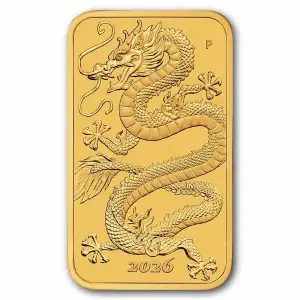
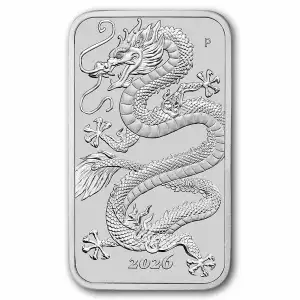
The best purchase starts with understanding whether you want bullion, collectible coins, or a piece with both investment and display appeal. Bullion is physical gold or silver valued mainly for its metal content, while numismatic coins are valued partly for rarity, condition, and collector demand.
For most buyers, the first question is not “What's the rarest coin?” but “What matches my goal?” If you want straightforward value and liquidity, bullion usually makes sense. If you enjoy history or condition-sensitive pieces, graded or collectible coins may be a better fit.
Why People Buy Gold and Silver
People buy gold and silver for protection, diversification, collecting, and sometimes for gifts or family keepsakes. Gold is often chosen for higher value density, while silver is popular because it gives new buyers a more accessible entry point.
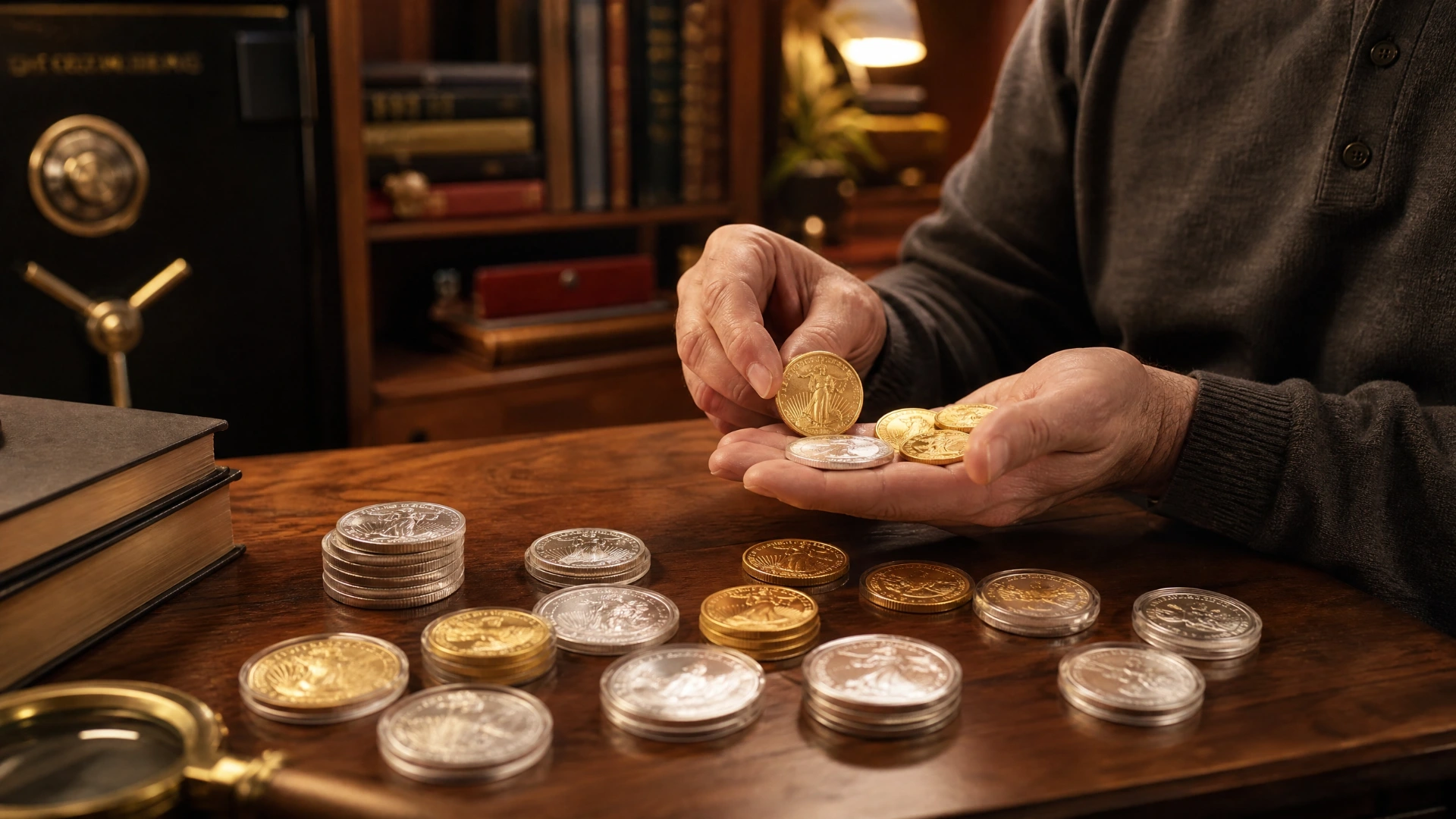
A lot of buyers also like the emotional side of ownership. Holding a real coin or bar feels different from owning a number on a screen, and that matters to many people who want something tangible.
Gold vs. Silver: Which Makes More Sense?
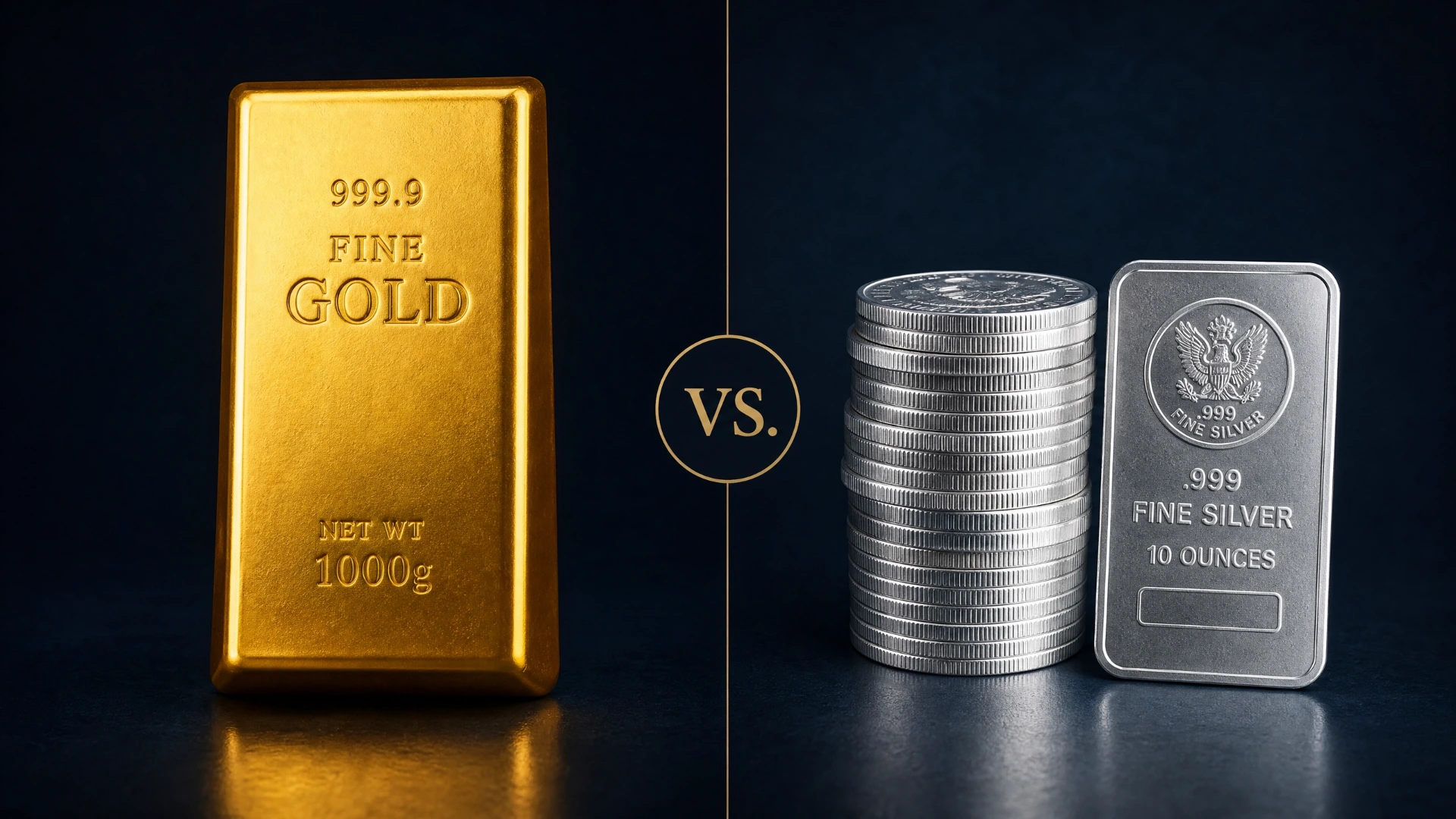
Gold usually works well for buyers who want to store more value in less space. Silver often appeals to people who want to start smaller, build a stack gradually, or collect coins with recognizable designs.
Spot price is the current market price of the raw metal, and premium is the amount added above spot for manufacturing, distribution, and dealer margin. That means two silver coins may both contain one ounce of silver, but they can still cost different amounts depending on demand and condition.
The World Gold Council notes that investors commonly buy bars and coins from reputable dealers and should think about storage and insurance as part of the purchase, not an afterthought. That advice applies to silver too, especially if you plan to buy regularly.
Best Products for New Buyers
The best products for beginners are usually familiar bullion coins, simple bars, or well-known rounds. Those choices are easier to understand, easier to compare, and usually easier to resell later.
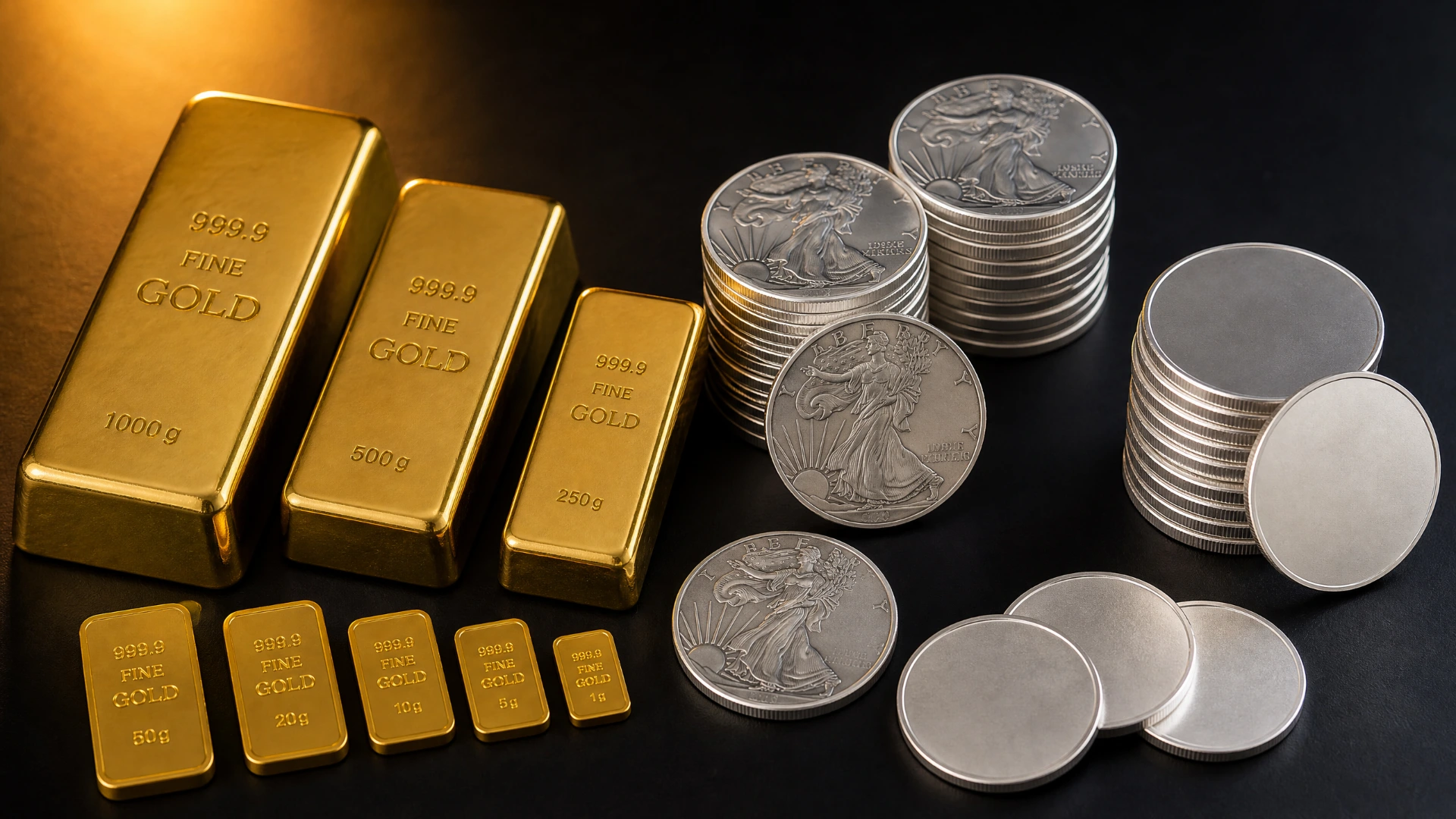
Bullion coins are government-issued coins whose value is driven mainly by precious metal content. That's why many buyers feel more comfortable starting with products backed by major mints like the U.S. Mint, which offers bullion coins in gold, silver, platinum, and palladium.
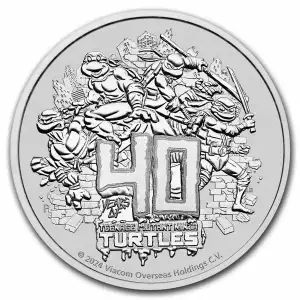
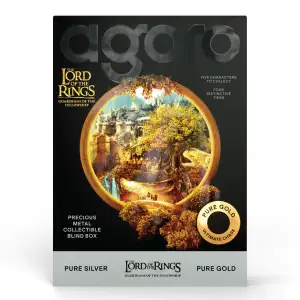
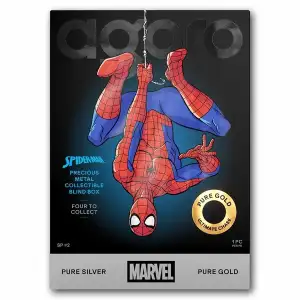
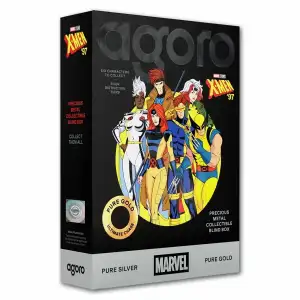
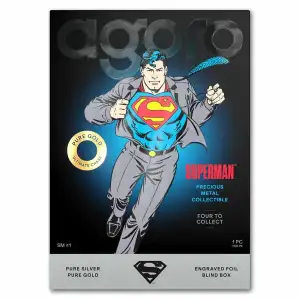
Some buyers also like themed bullion, which is officially licensed bullion featuring pop culture designs. It combines collectible appeal with real precious metals value, so it can be a fun way to own something that still contains gold or silver.
What Affects Price When You Buy
Price depends on spot price, premium, condition, rarity, and how liquid the item is in the market. A common bullion coin will usually price differently than a scarce or graded coin, even if both contain the same basic metal.
Melt value is the value of the raw metal inside a coin or bar if it were melted down. That number matters because it gives you a baseline, but collectible coins can trade above melt value when collectors want the date, type, or grade.
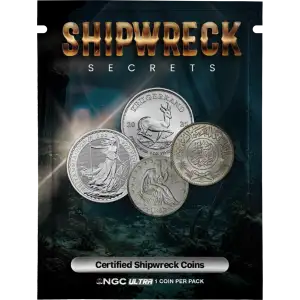
If you are comparing older or better-condition coins, grading matters. PCGS explains that third-party grading helps authenticate a coin and assign a condition grade using the Sheldon Scale, which gives buyers a clearer way to judge quality. That can be especially useful if you are looking at pre-owned coins or higher-value pieces.
How Lubbock Buyers Can Choose a Trusted Dealer
A trusted dealer should be transparent about pricing, clear about product details, and willing to answer basic questions without pressure. Look for a long track record, industry affiliations, and expertise in both bullion and collectible coins.
That is one reason many buyers in Texas prefer working with a family-owned dealer that has been around for decades. Stout Gold & Silver has served buyers since 1986, and that kind of history can matter when you want help sorting out coins, bars, appraisals, or storage.
What really sets Stout Gold & Silver apart is the combination of local accountability and practical market knowledge. When a dealer has spent decades helping Texas buyers compare bullion, numismatic coins, and selling options, you get more than a transaction — you get guidance from people who understand how these pieces actually trade, how grading affects value, and when a premium is justified. That matters whether you are buying a first silver coin or deciding what to do with a more serious collection.
A good dealer should also help you understand whether a coin needs grading, whether a premium is fair, and whether the product fits your goal. The American Numismatic Association and grading services like PCGS and NGC are useful reference points when you want to better understand condition and authenticity, especially for collectible material.
Where Lubbock Buyers Can Shop with Stout Gold & Silver
Lubbock buyers can shop locally, shop online, or work with a Texas dealer that offers both convenience and expertise. Since the drive up I-27 to Amarillo takes about two hours, most Lubbock buyers save an in-person visit for bigger decisions — a large purchase, a sale, or an appraisal — and use online ordering for everything else.
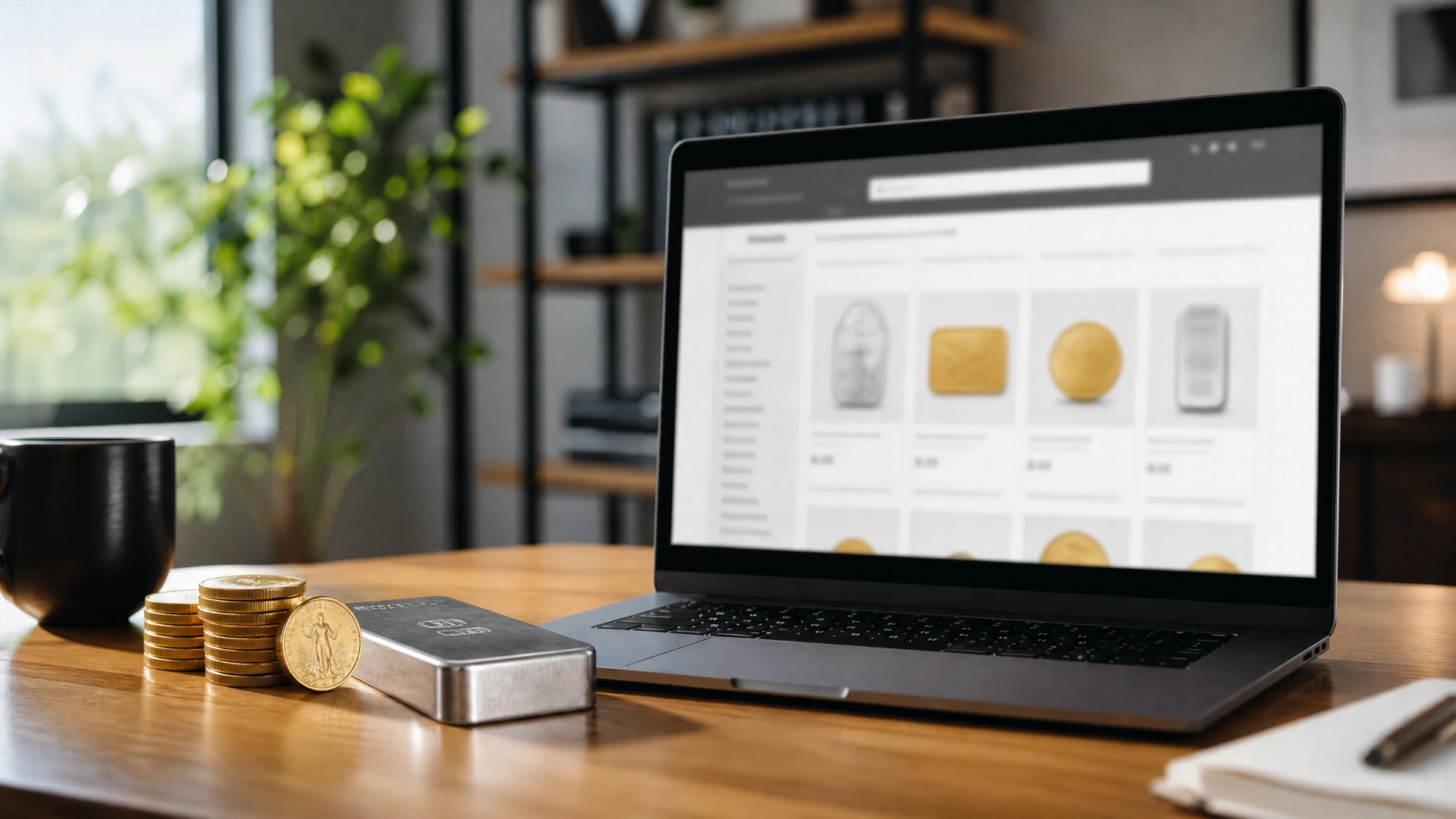
Buying online also works well when you already know what you want and want a wider selection. Stout Gold & Silver offers an online store, and free shipping applies on orders over $199.99, which makes it easier for many buyers to add a few items without overcomplicating the purchase.
For many Lubbock-area buyers, the real advantage is having both options. You can browse online when convenience matters, then rely on a family-owned Texas dealer when you want a real person to explain the difference between a bullion coin, a collectible coin, or a piece that may deserve grading.
Should You Buy Coins, Bars, or Rounds?
The right format depends on whether your priority is recognizability, simplicity, or collecting interest. Coins are often the easiest to recognize, bars are straightforward for stacking value, and rounds can offer a middle ground for buyers who want silver without paying for a government-issued coin.
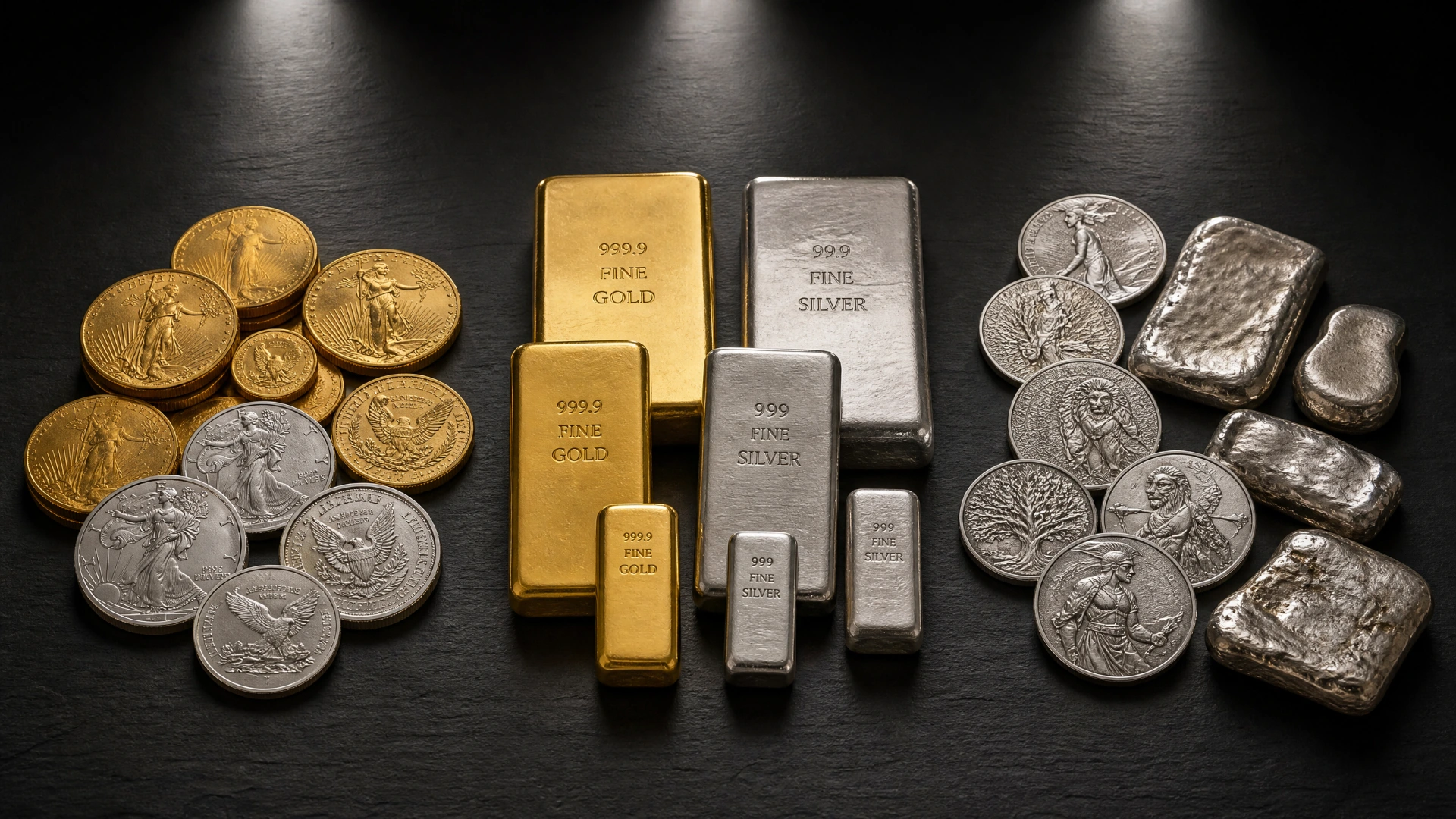
Hand-poured silver is artisan-crafted silver made by pouring molten metal into molds, creating unique bars or rounds with a handmade look. These pieces can be appealing to collectors who like craftsmanship, but they still contain real silver and should be evaluated for metal content, maker reputation, and premium.
If you want the most familiar route, many buyers stick with well-known bullion coins or bars. If you want something with more personality, hand-poured pieces or themed bullion can be a smart addition to a collection.
Buying for Investment vs. Collecting
Investment buyers usually focus on weight, liquidity, and price efficiency. Collectors care more about design, condition, mintmark, date, and whether the coin has been certified by a respected grader.
That difference matters because the same item can serve both goals in different ways. A silver coin may be purchased as part of a stack, while a graded coin may be purchased because the grade and eye appeal make it more desirable to collectors.
If you are unsure which route fits you best, it helps to think in plain terms: bullion for metal, collectibles for rarity, and certified coins for condition confidence. In many cases, the best purchase is the one that matches your budget and your long-term reason for buying.
What to Ask Before You Buy
The smartest buyers ask a few simple questions before paying. They want to know how the item is priced, whether it is authentic, whether the dealer offers buyback support, and whether the product needs storage or insurance.
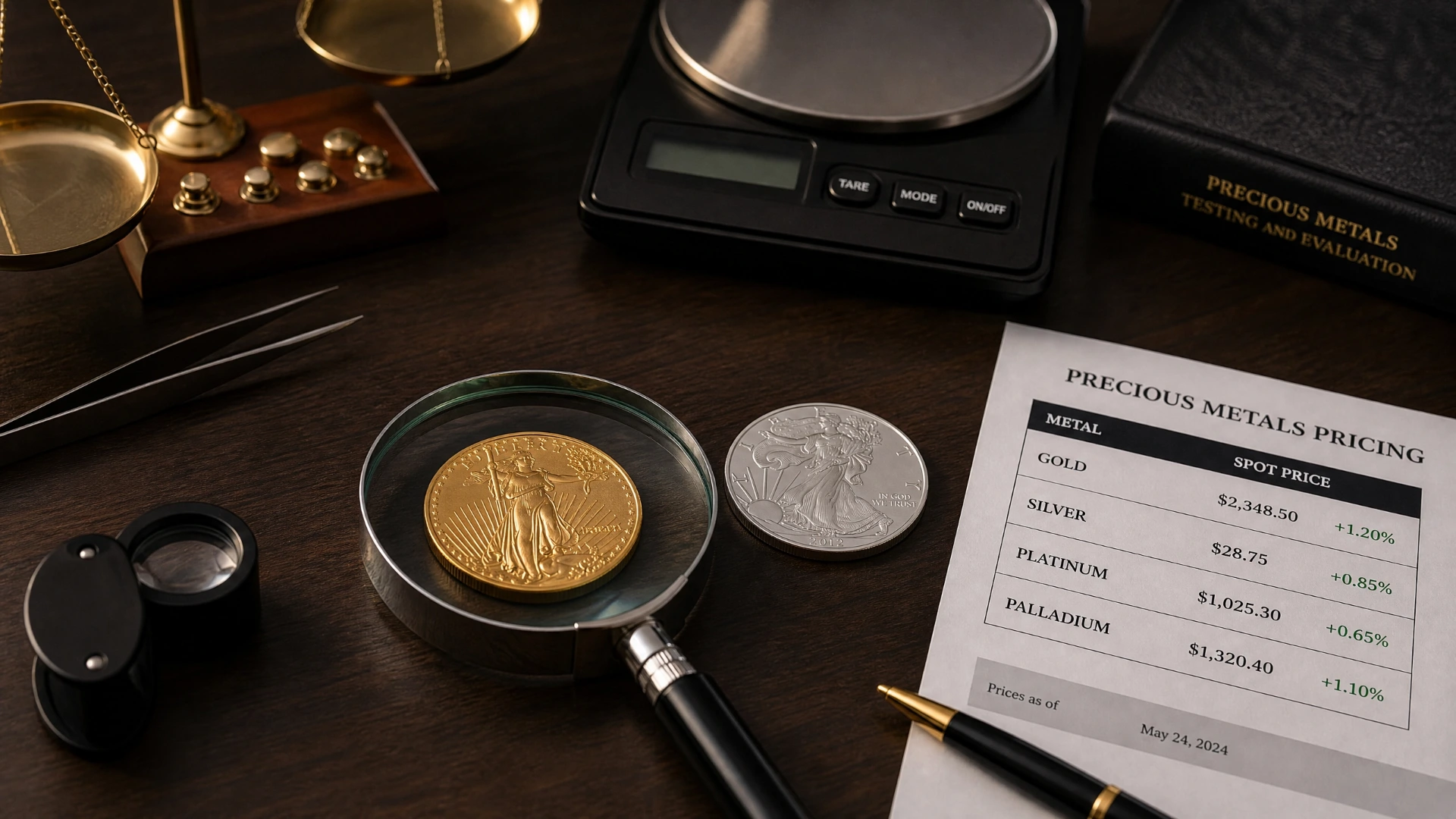
If you are considering a higher-value coin, ask whether grading would add value or peace of mind. If you are buying for the first time, ask for a simple explanation of spot price, premium, and what makes one item cost more than another.
You should also ask about shipping and storage if you are not taking the metal home right away. Secure bullion storage can be a good option for buyers who want protection, easy access when needed, and less day-to-day worry.
FAQ About Buying Gold and Silver in Lubbock
Q: What is the best gold to buy for beginners?
A: The best gold for beginners is usually a widely recognized bullion coin. Those coins are easier to understand, compare, and resell than many niche collectibles.
Q: Is silver a good first purchase for new buyers?
A: Yes, silver is often a good first purchase because it is more affordable per ounce than gold. That makes it easier to start small and learn how pricing works.
Q: Where can I buy gold near Lubbock, TX?
A: You can buy from Stout Gold & Silver online or visit our Amarillo location if you want in-person help. Our address is 2300 SW 7th Ave, Amarillo, TX 79106, and our phone number is (806) 374-8698.
Q: What is the difference between bullion and numismatic coins?
A: Bullion is valued mainly for metal content, while numismatic coins also carry collector value based on rarity and condition. That is why two coins with similar metal content can have very different prices.
Q: How do I know if a gold coin is authentic?
A: A reputable dealer and third-party grading can help you confirm authenticity. Services like PCGS and NGC are widely recognized in the coin market for this reason.
Q: What affects the price of gold coins?
A: Price is affected by spot price, premium, condition, and collector demand. A common bullion coin and a scarce certified coin may trade very differently.
Q: Do you offer appraisals for gold and silver coins?
A: Yes, we offer appraisals for gold and silver coins. An appraisal can help you understand metal value, collector value, and whether grading may matter before you buy or sell.
Q: Can you grade older coins before I sell or buy them?
A: Yes, grading can be useful for older or higher-value coins. PCGS grading standards are a helpful reference when you want an objective condition assessment.
Q: Is it better to buy gold bars or gold coins?
A: It depends on your goal, but coins are often easier for beginners to recognize. Bars can be efficient for buyers who want straightforward metal exposure.
Q: Can Lubbock customers visit Stout Gold & Silver or order online?
A: Yes, Lubbock customers can order online or visit us in Amarillo for in-person service. We are open Monday through Friday, 10:00 AM to 4:00 PM, and closed on Saturday and Sunday.
Q: What is spot price?
A: Spot price is the current market price of the metal itself. Dealers then add a premium to cover fabrication, handling, and distribution.
Q: Should I store my bullion at home?
A: Home storage can work, but secure storage is often better for larger holdings. The World Gold Council notes that storage and insurance should be considered as part of the buying decision.
Visit Us or Shop Online
If you are ready to buy, sell, or compare gold and silver, start with a conversation that gives you clear answers and no pressure. Visit Stout Gold & Silver at 2300 SW 7th Ave, Amarillo, TX 79106, call (806) 374-8698, or shop online when that is easier for you. We're open Monday through Friday, 10:00 AM to 4:00 PM, and closed on Saturday and Sunday.