This article explains the gold-to-silver ratio and shows practical, easy-to-follow ways investors and collectors use it to decide when to buy silver or gold. It's written for bullion investors, beginning-to-intermediate collectors, and local buyers in the Amarillo/Texas Panhandle who want clear, trustworthy guidance and actionable next steps. Stout Gold & Silver provides both in-person help and an online store to support these strategies.
What is the gold-to-silver ratio?
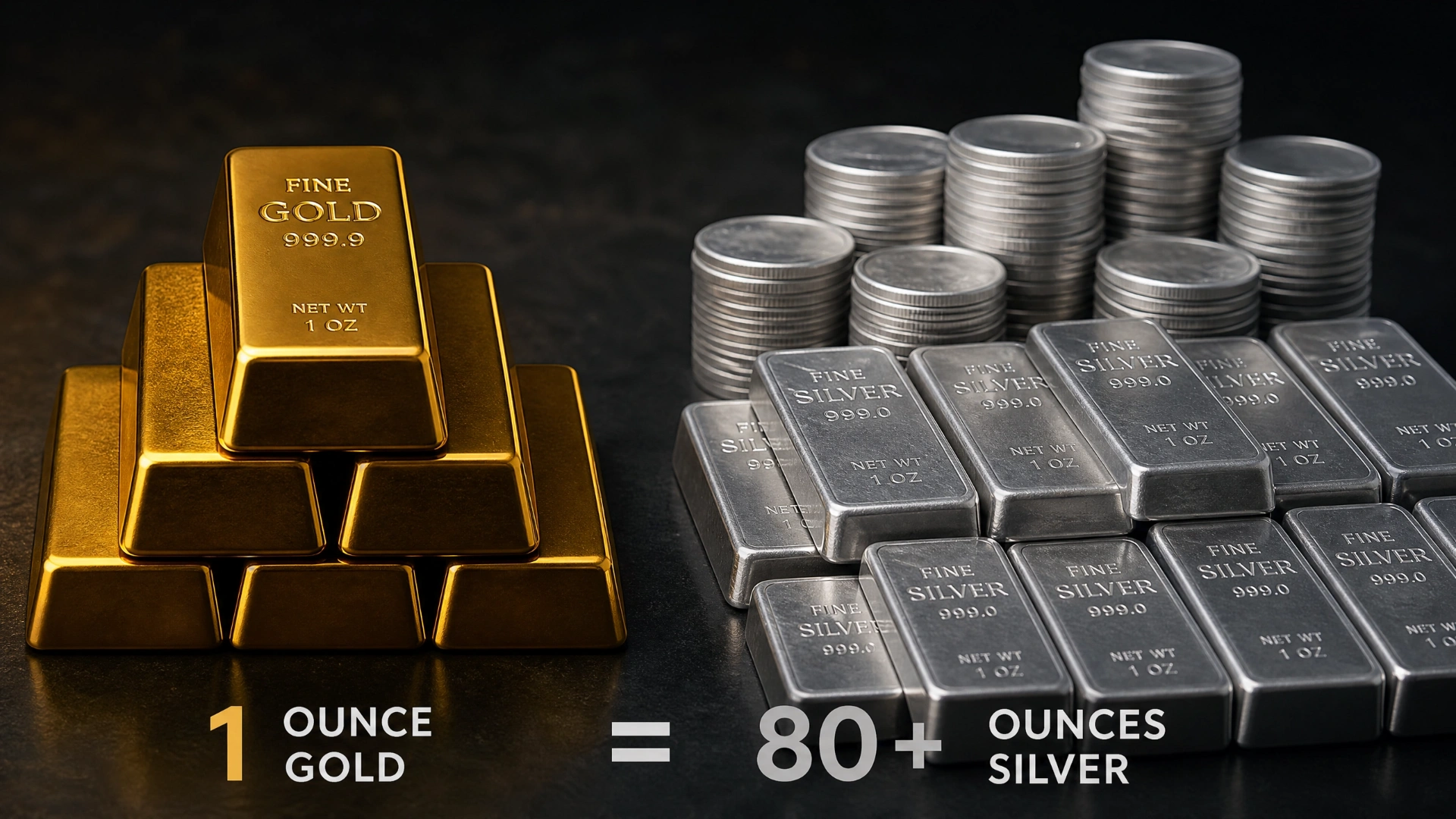
The gold-to-silver ratio is the price of one ounce of gold divided by the price of one ounce of silver. It shows how many ounces of silver equal one ounce of gold at current market prices and gives a quick sense of which metal appears relatively cheap or expensive.
Why investors and collectors watch the ratio
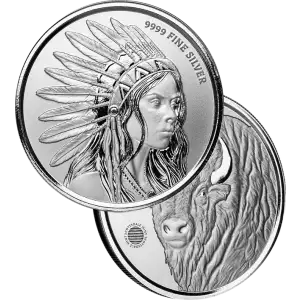
Investors and collectors follow the ratio to identify relative bargains and to help decide whether to add gold or silver to their holdings. Bullion investors often tilt toward silver when the ratio is high (silver appears cheap), while collectors focus more on rarity and numismatic value, which can override ratio signals. Industrial demand for silver and macro drivers like inflation and interest rates also influence the ratio's movements, a dynamic explored in recent World Gold Council research comparing the two metals.
Historical perspective — what the ratio has done
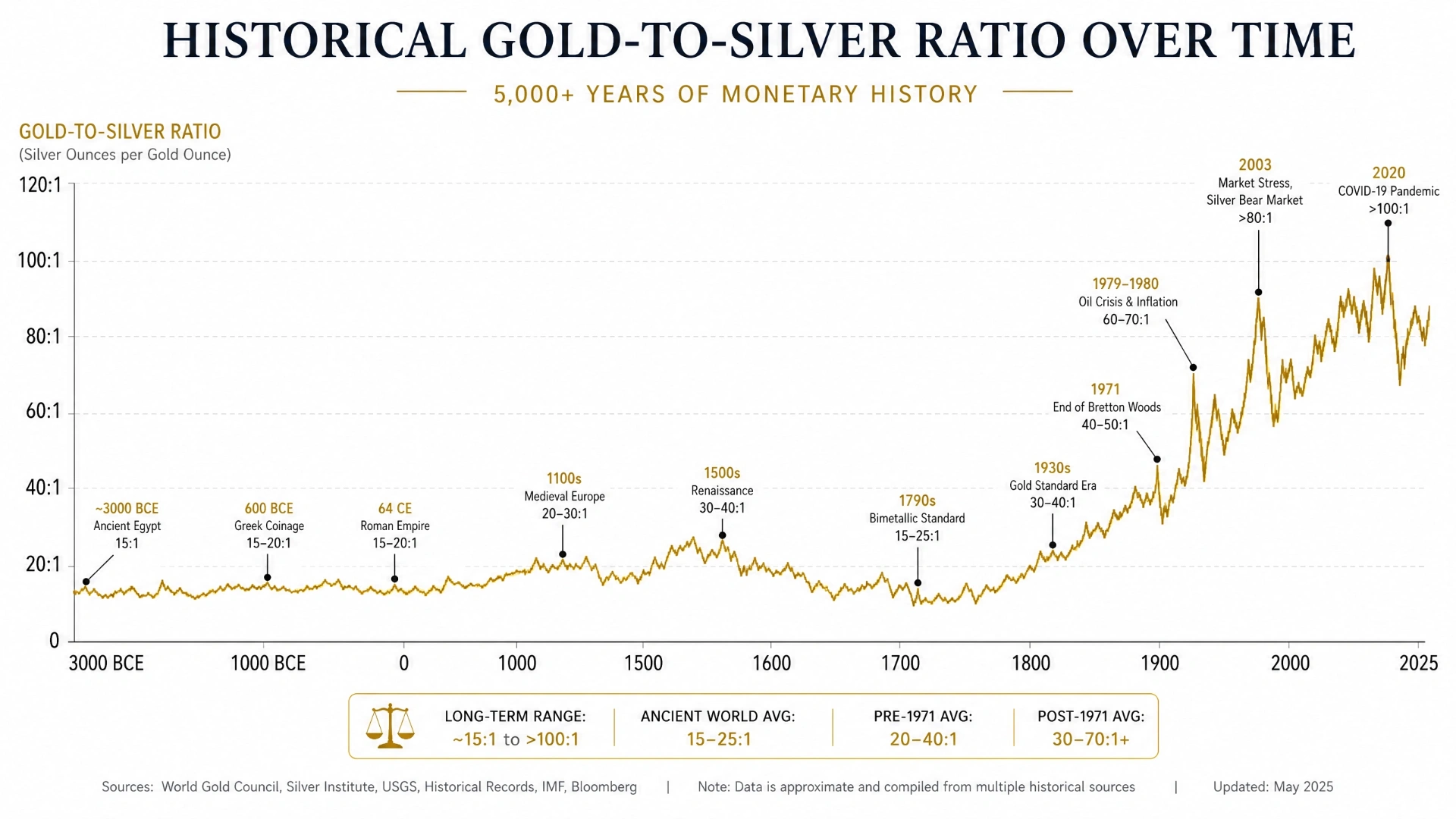
The ratio has moved widely over time, not in a straight line. Ancient measures suggested ratios around 15–16:1 based on coin metal content, but modern markets have seen the ratio range from near 30:1 to well over 100:1 during different cycles. For example, the ratio ran above 80:1 in the early 2000s and spiked during market stress when gold outperformed silver.
Charts from authoritative sources such as the World Gold Council help visualize these swings. Historical snapshots can show how buyers who favored silver during high-ratio periods sometimes captured strong gains when the ratio compressed.
How to use the ratio to time purchases
Use the gold-to-silver ratio as one input, not the only input, when deciding whether to buy silver or gold. Combine ratio thresholds with premiums, liquidity, and your investment horizon for better decisions.
Simple rules of thumb
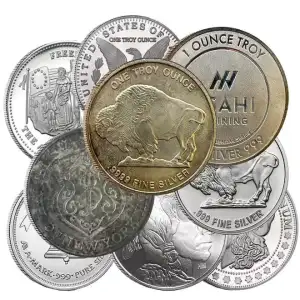
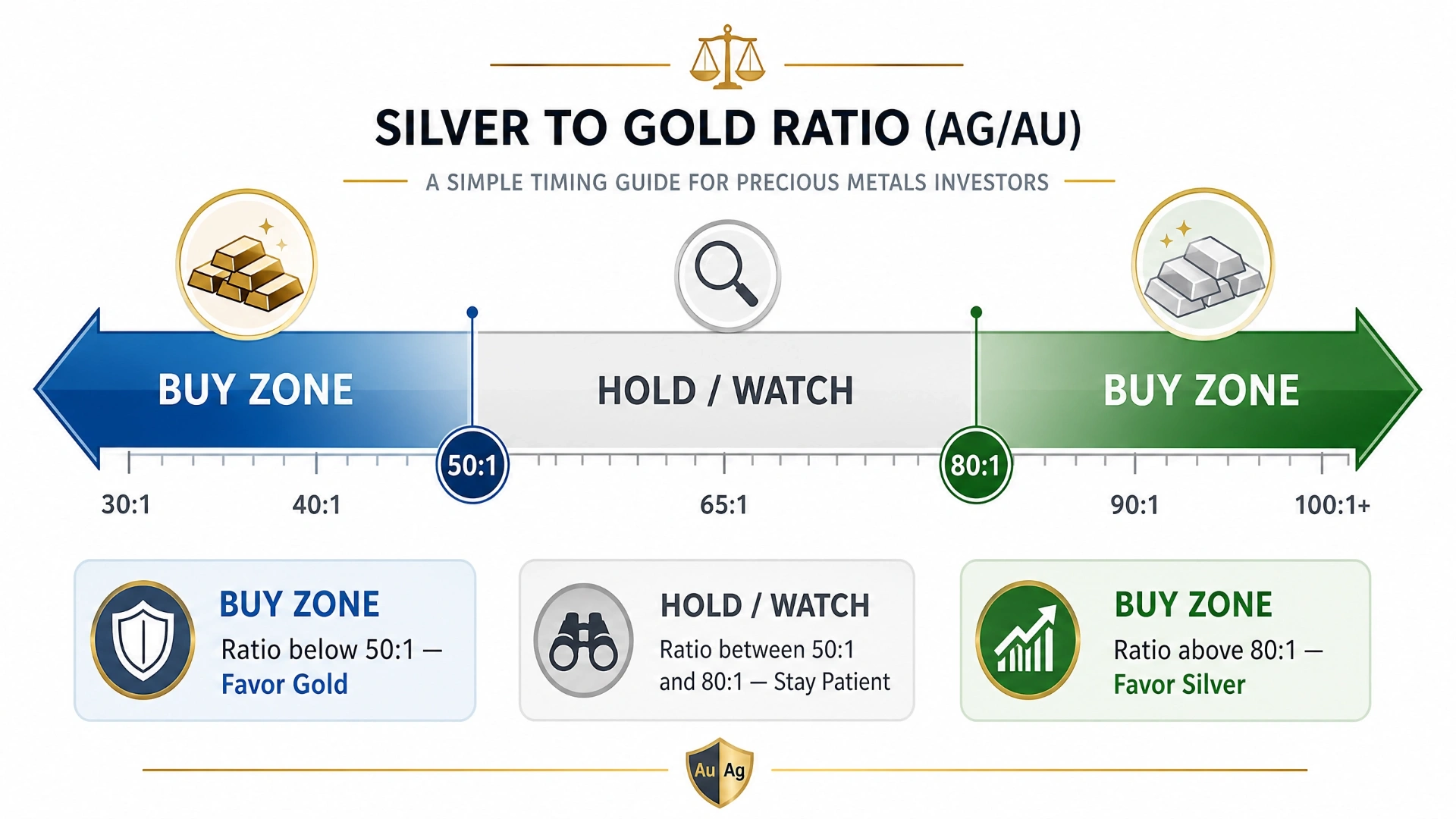
A common rule is to consider buying more of our silver coin selection when the ratio exceeds a threshold like 80–85:1 and to prefer gold when it falls below a lower threshold such as 40–50:1. These are guidelines, not guarantees. Conservative buyers may wait for stronger confirmation, while aggressive buyers may act earlier.
Combining ratio with other signals
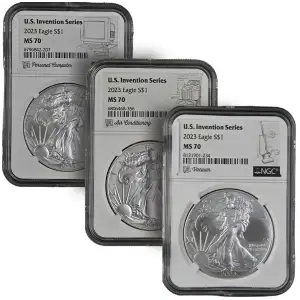
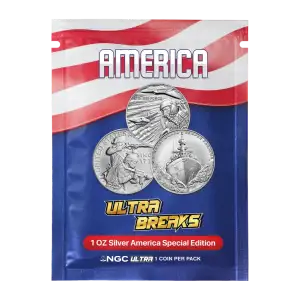
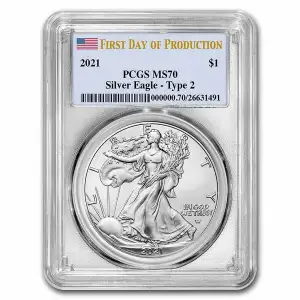
Blend the ratio with macro indicators (inflation readings, interest rates), supply news (mine output, industrial use), and price action (volume and momentum). For collectors, numismatic factors like rarity and grade often trump ratio-based timing. Resources like PCGS grading standards and NGC explain how grading affects collector value.
Choosing gold vs. silver by investor type
Bullion investors (wealth protection)
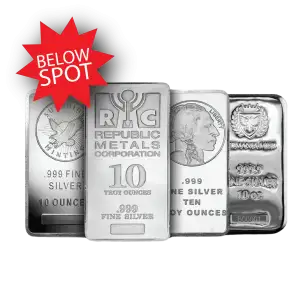
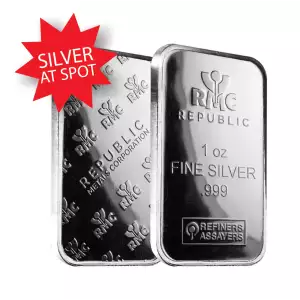
Bullion is physical metal purchased primarily for its metal content rather than collectibility. Gold tends to offer higher per-ounce value and lower storage cost per dollar of value, while silver is more affordable per purchase and can offer larger percentage gains when the ratio compresses. Use the ratio to tilt allocations: a high ratio can justify adding silver, while a low ratio may make our gold coin selection more attractive — either way, always account for premiums and liquidity.
Collectors and themed bullion buyers
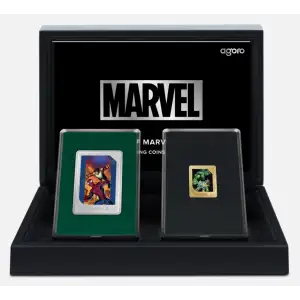
Themed bullion refers to officially licensed or collectible designs (Star Wars, Marvel) that carry both metal value and collector appeal; you can browse our themed bullion collection to see current options. Hand-poured silver is artisan silver poured by hand in small batches, often with collectible finishes. Collectors may buy such pieces regardless of ratio signals because scarcity and demand among fans drive long-term value.
Practical buying tactics and order sizes
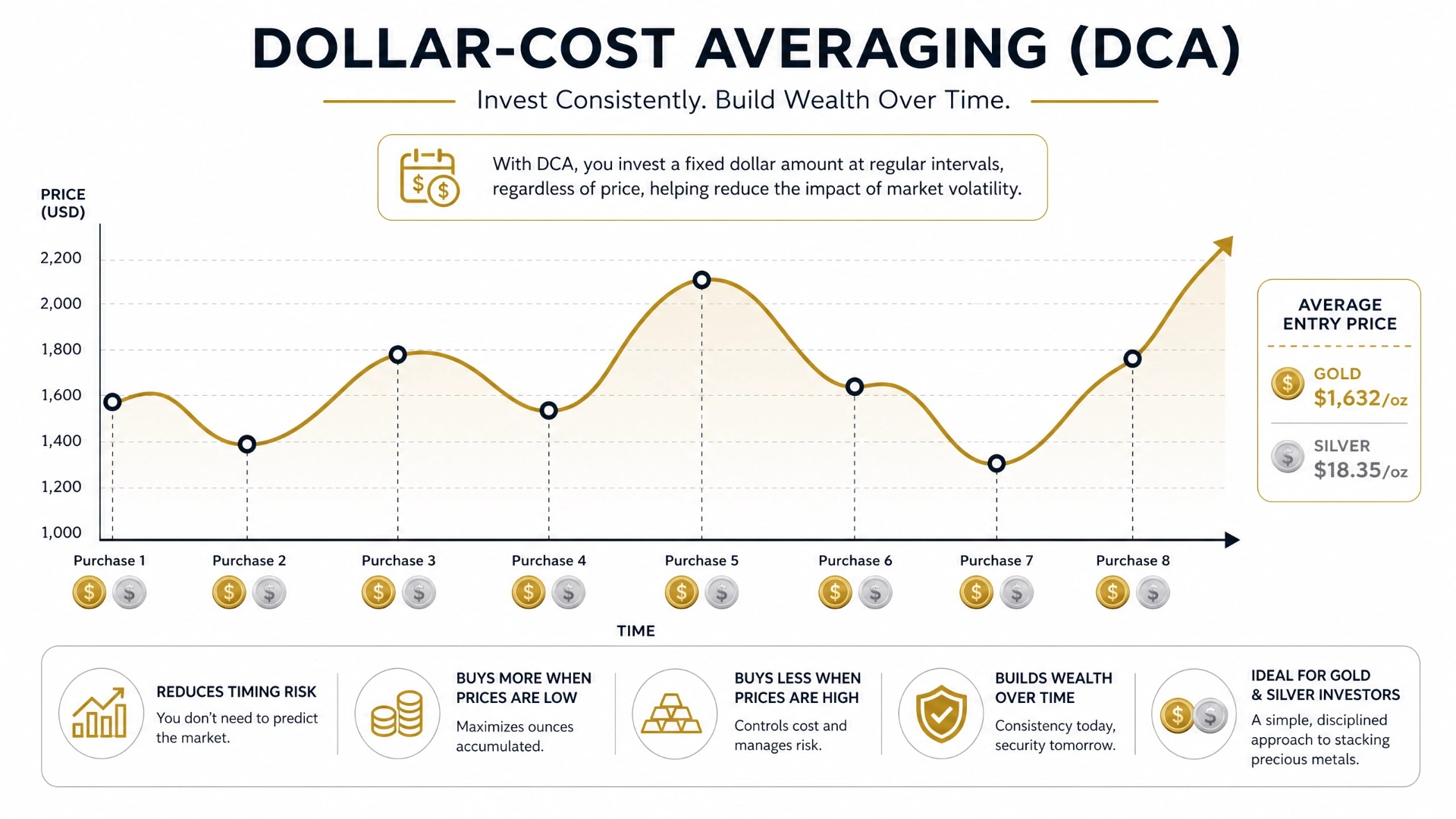
Use dollar-cost averaging (DCA), set buy zones tied to ratio levels, and watch premiums to avoid overpaying. DCA smooths your entry price by buying fixed-dollar amounts at regular intervals. Consider adding bonus purchases when the ratio crosses a target (for example, add 25% more when ratio > 85:1). Also factor in minimum orders, shipping, and secure storage when sizing purchases.
Pricing, premiums, and what to watch for
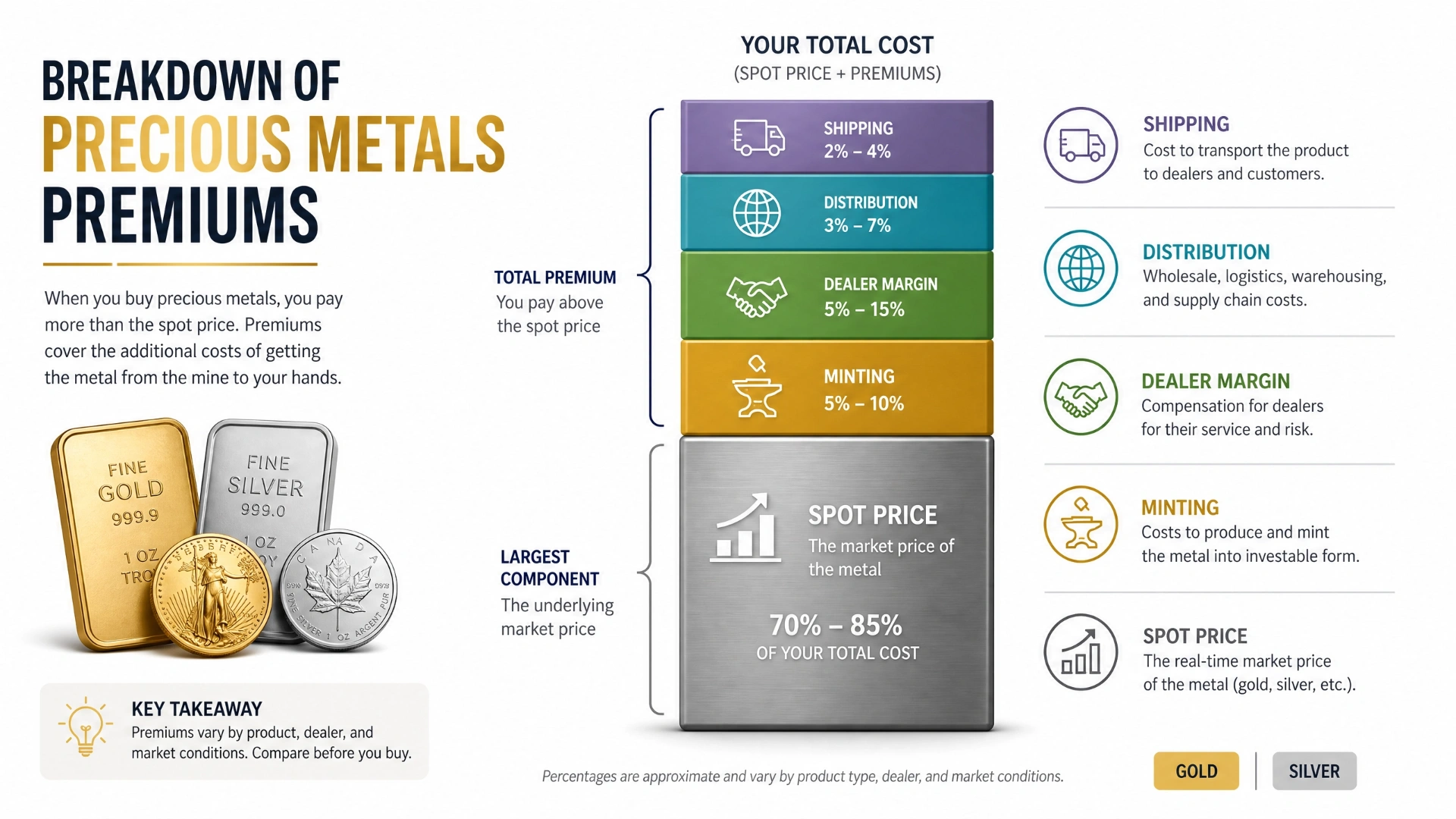
Premium is the amount paid above the spot price to cover fabrication, distribution, and dealer margin. Premiums can erase theoretical bargains signaled by the ratio. Compare premiums across coins and bars before buying, and remember peak demand can spike premiums rapidly. Our online store's free shipping over $199.99 can reduce total landed cost for smaller purchases.
Selling considerations and exit strategies
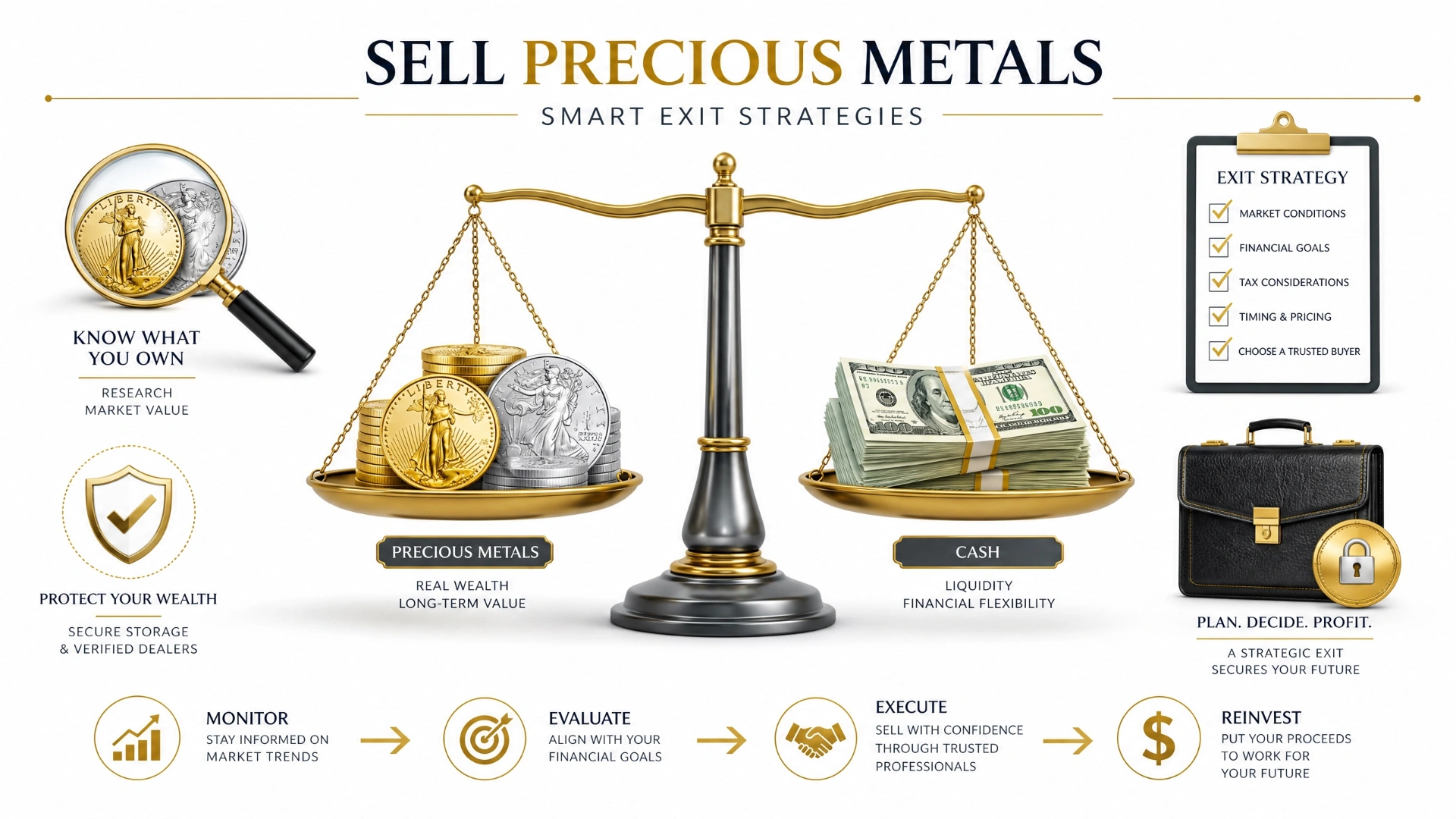
Use the ratio plus local market conditions to choose when to liquidate, and prepare items to maximize returns. When selling, factor in current premiums, local buyback offers, and whether coins are graded (grading can increase buyer confidence and price). An exit checklist: avoid cleaning coins, gather certificates and receipts, and use secure transport. For local sellers in the Amarillo/Texas Panhandle, our in-person appraisal service provides immediate, transparent offers.
How Stout Gold & Silver helps — local services and online options
Stout Gold & Silver provides in-person appraisals, secure buy/sell service, and an online store for remote buyers. We also offer secure bullion storage options for clients who want peace of mind.
Why buy with Stout Gold & Silver?
We're family-owned since 1986, offer transparent pricing and no-pressure appraisals, and maintain PCGS/NGC-friendly expertise for graded coins. We publish clear buy/sell price sheets, offer secure storage for clients who prefer vault solutions, and support online shoppers with competitive pricing and free shipping on orders over $199.99. Those concrete practices make working with us straightforward and trustworthy.
Quick glossary of key terms
- Spot price is the current market price for one ounce of a metal.
- Premium is the extra cost above spot that covers minting, distribution, and dealer margins.
- Melt value is the metal value if a coin or bar were melted down.
- Bullion is metal valued for its precious-metal content rather than collectibility.
- Themed bullion refers to officially licensed or collectible designs (Star Wars, Marvel).
- Hand-poured silver refers to artisan silver poured by hand in small batches, often with collectible finishes.
- Numismatic means a coin's additional value based on rarity, history, or collector demand.
- Dollar-cost averaging (DCA) is buying fixed-dollar amounts at regular intervals to smooth price risk.
Recommended resources and charts
Track historical ratio charts at Kitco and the World Gold Council, and review U.S. Mint bullion coin specifications for official coin details. For grading and collector-focused guidance, see PCGS and NGC. Building a spreadsheet to log spot prices and purchases helps monitor performance against chosen ratio thresholds.
FAQ
Q: What is the gold-to-silver ratio?
A: The gold-to-silver ratio is the price of one ounce of gold divided by the price of one ounce of silver. It indicates how many ounces of silver equal one ounce of gold at market prices and helps investors assess relative value.
Q: How do you calculate the gold to silver ratio?
A: Divide gold's spot price per ounce by silver's spot price per ounce. For example, if gold is $2,000 per ounce and silver is $25 per ounce, the ratio is 2,000 ÷ 25 = 80:1.
Q: What ratio means it's time to buy silver?
A: Many investors consider buying silver when the ratio exceeds about 80–85:1, but this is a guideline. Always pair that signal with premium checks, liquidity, and your risk tolerance.
Q: When should I buy gold instead of silver?
A: Consider gold when the ratio falls to historically lower levels (for many buyers, below 40–50:1) or when you prioritize liquidity and lower per-dollar storage cost.
Q: Does the ratio predict price moves?
A: The ratio is an indicator, not a reliable predictor. It highlights relative value but should be combined with macro data and price-action signals for better timing decisions.
Q: How has the ratio changed historically?
A: The ratio has ranged from ancient figures near 15:1 to modern extremes above 100:1, reflecting monetary shifts, industrial demand, and market stress periods.
Q: What is a good strategy for beginner silver stackers?
A: Start with dollar-cost averaging, buy reputable bullion with reasonable premiums, and set simple buy zones tied to ratio thresholds. Keep some purchases in hand and consider secure storage for larger positions.
Q: How much should I allocate to silver vs gold in a portfolio?
A: Allocation depends on your goals and risk tolerance. Many investors hold a modest portion in silver for tactical upside and gold for long-term stability. This is educational guidance, not financial advice.
Q: Where can I sell silver or gold in Amarillo or the Texas Panhandle?
A: You can sell in person at Stout Gold & Silver, 2300 SW 7th Ave, Amarillo, TX 79106, or call (806) 374-8698 to arrange a free appraisal and transparent offer. Bring documentation and avoid cleaning coins before appraisal.
Q: Do coin grades affect decisions based on the ratio?
A: Yes. Graded coins (by PCGS or under NGC's coin grading scale) often command higher prices independent of the ratio because grade certifies condition and scarcity. Grading matters more for collectors than for generic bullion.
Q: How do premiums impact timing with the ratio?
A: Premiums can negate ratio-based bargains. High premiums during demand spikes mean you might pay more than the ratio suggests—always compare total landed cost including shipping and taxes.
Q: Can themed or numismatic coins follow the ratio?
A: Themed bullion and numismatic coins often diverge from the ratio because collector demand and rarity drive value. Buying for collectibility can be valid even when the ratio favors the other metal.
Visit Us or Shop Online
Stout Gold & Silver — 2300 SW 7th Ave, Amarillo, TX 79106. Phone: (806) 374-8698. Hours: Mon–Fri 10:00 AM–4:00 PM, Sat–Sun Closed. Visit our family-owned store for a free appraisal from Brett or Hannah, or browse our online store and enjoy free shipping on orders over $199.99. Submit a want list and we'll notify you when items match your buying criteria.