Why compare physical gold and gold ETFs?

Physical gold gives you direct custody of metal, while a gold ETF provides share-based exposure that mirrors gold's market price. Which is right depends on whether you prioritize tangible ownership, private custody, and collector value, or trading convenience and intraday liquidity.
How gold ETFs work
Gold ETF is an exchange-traded fund that holds gold or gold-linked instruments and issues shares that trade on an exchange. Most ETFs hold physical bullion in custody and aim to track the spot price of gold minus the fund's fees.
ETFs offer intraday liquidity because shares trade like stocks; authorized participants perform creation/redemption to align the fund with its underlying holdings. Check a fund's prospectus, expense ratio, and custodian disclosures before buying. The World Gold Council's gold market data offers useful ETF comparisons and fund flow statistics.
What "physical gold" means: bullion, bars, and coins

Bullion is metal valued mainly for its precious-metal content rather than collectibility. Common forms include gold coins, bars, and rounds; numismatic coins carry extra value for rarity, condition, or historical significance.
Numismatic is the term for collectible value beyond melt. Many buyers choose bullion (straight metal exposure) while some collectors prefer numismatic or themed bullion for enjoyment and possible collector premiums.
Pros and cons — gold ETF vs physical gold
Advantages of gold ETFs
Gold ETFs provide low-friction exposure and easy trading through a brokerage account. They remove the need to arrange shipping or storage and usually have tighter immediate spreads than retail bullion.
Choose funds with low expense ratios and transparent custodians to reduce ongoing costs and tracking error risk.
Drawbacks of gold ETFs
ETFs are subject to custodial structure and may not allow retail redemption into physical metal. Ongoing expense ratios and potential tracking error can slightly reduce returns versus spot price over long periods.
Tax treatment and fund structure can differ from owning physical metal; read fund disclosures and consult tax guidance.
Advantages of physical gold

Physical gold gives you something tangible you can hold, store, or pass down. Many investors and collectors—some who buy from Stout Gold & Silver—value the psychological reassurance and heirloom potential of coins and bars.
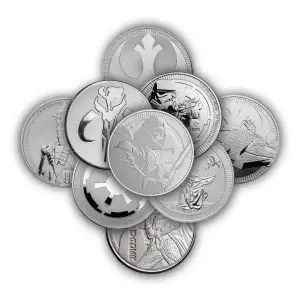
Themed bullion, like officially licensed pop-culture coins, combines collector appeal with metal value and can be a rewarding part of a collection; browse our themed bullion collection for examples spanning film, comics, and pop culture.
Drawbacks of physical gold
Owning metal means handling storage, insurance, and transport. Dealer buy/sell spreads and premiums above spot make trading less efficient than ETFs, especially for small purchases. You also need to verify authenticity and consider professional appraisal or grading for high-value items.
Costs compared — fees, premiums, storage, and taxes
Physical gold and ETF costs differ in type and scale. For physicals, key costs are purchase premium above spot, shipping, storage, insurance, and dealer spread on sale. For ETFs, the main recurring cost is the expense ratio, plus any broker commissions.
Example: on a $10,000 allocation, a 0.25% ETF fee equals about $25 per year. The same amount in physical gold might incur a 1–2% purchase premium and 0.3–1% annual storage/insurance, so upfront and recurring costs can be higher for bullion—particularly on smaller buys.
Tax note: in the U.S., certain gold coins may be taxed as collectibles at a different long-term capital gains rate. Consult IRS guidance and your tax advisor for details.
Liquidity and accessibility
Gold ETFs are very liquid during market hours and trade like other securities. Physical gold is also liquid but selling at the best price may require contacting multiple dealers, listing online, or consigning to an auction.
Local buyers in Amarillo and the Texas Panhandle can obtain immediate in-person offers from reputable dealers. If rapid liquidity matters, ETFs are typically the easiest route.
Security and custody options for physical gold

You can store physical gold at home, in a bank safe-deposit box, or in a professional vault. Allocated storage means specific bars or coins are identified as yours; unallocated storage pools assets and carries counterparty risk.
Secure bullion storage provides insured, climate-controlled vaulting and audited inventory for peace of mind. Stout Gold & Silver offers allocated, insured storage options so local clients can keep possession securely without home-storage risks.
Authoritative resources like the Perth Mint and Royal Canadian Mint discuss best practices for vault storage and authentication.
Taxes and regulatory considerations
Physical gold and ETFs can follow different tax rules. Certain U.S. coins are classified as "collectibles," which may affect the long-term capital gains rate applied on sale. ETFs can have different tax-reporting mechanics depending on structure (grantor trust vs commodity fund).
Keep careful records of purchase receipts and cost basis. For specific tax treatment, consult the IRS capital gains guidance and a qualified tax professional.
When physical gold is better (use cases)
Physical gold often wins when buyers want tangible ownership, a family heirloom, collector enjoyment, or private custody outside the banking system. Many of our Amarillo customers choose coins or small bars from Stout Gold & Silver when they want something to hold, display, or pass to family.
Collectors who value themed bullion or numismatic pieces accept premiums for rarity and design, and many browse our numismatic coin collection before pursuing professional grading and provenance documentation.
When gold ETFs are better (use cases)
Gold ETFs suit investors who prioritize easy portfolio access, intraday liquidity, and small allocations inside brokerage or retirement accounts. They're convenient for rebalancing, short-term tactical moves, or for investors who don't want to manage storage.
Example profile: an investor keeping a 3–7% allocation to gold for diversification often prefers ETFs for quick rebalancing.
How to decide: short checklist
Time horizon, liquidity, storage, and collector interest help clarify the choice between physical gold and gold ETFs. Use this checklist as a quick guide to match your situation to the right format.
Time horizon: long-term holders and collectors tilt to physical; traders and short-term allocators favor ETFs.
Liquidity needs: ETFs for instant trading, physical for ownership and heirlooms.
Storage willingness: home, bank, or professional vaulting—can you manage it or pay for it?
Collector interest: choose numismatic or themed bullion if design and rarity matter.
How to buy and sell safely
Buying physical gold — tips
Verify dealer credentials (PCGS, NGC, ANA, BBB). Check premiums, request assay reports or certificates, inspect packaging, and keep receipts. For numismatic coins, PCGS coin grading services and provenance documentation are essential.
Selling physical gold — tips
Get multiple written offers and compare online and local prices. Stout Gold & Silver provides our buyback and selling service with in-person appraisals for sellers in the Amarillo area. For rare coins, consignment or auction might deliver higher prices than immediate sale.
Buying ETFs — tips
Select funds with low expense ratios and transparent custodians. Review the fund prospectus, check for tracking error history, and buy through a reliable brokerage or retirement account if tax-advantaged holding is desired.
Resources and tools
Use a basic calculator to compare upfront premiums plus annual storage against ETF fees over a 3–5 year horizon. Trusted sources include U.S. Mint coin specifications and the World Gold Council for market context. For grading and authentication, consult PCGS and NGC.
Stout Gold & Silver — how we can help

If you decide physical gold is right for you, a local family-owned dealer can make the process easier and safer. Our Amarillo team offers in-person inspection, immediate cash offers, allocated insured storage, professional grading referrals, and personalized buy/sell advice. That hands-on service often beats faceless online listings or the uncertainty of home storage for many buyers.
Learn more about our family-owned Amarillo business, serving the Texas Panhandle since 1986. Our goal is to match the right product—bullion, themed bullion, or numismatic coins—to your goals while handling authentication, storage, and paperwork for you.
FAQ
Q: What is the difference between physical gold and a gold ETF?
A: Physical gold is tangible metal you own outright; a gold ETF is a tradable fund that holds gold or gold-linked instruments. Physical ownership gives you direct custody and options for private storage or gifting, while ETFs offer easy brokerage trading and intraday liquidity.
Q: Should I buy physical gold or a gold ETF?
A: It depends on your goals—buy physical gold for direct ownership, collector value, or private storage; choose ETFs for liquidity, low transaction friction, and ease of portfolio rebalancing. Consider taxes, storage costs, and whether you value physical possession.
Q: What are the main costs of owning physical gold?
A: Main costs include purchase premiums above spot, shipping, insurance, storage fees, and dealer spreads when you resell. These costs make small physical purchases less cost-effective unless you plan to hold long-term or enjoy collector value.
Q: How much does a gold ETF cost per year?
A: A gold ETF typically charges an expense ratio ranging roughly from 0.15% to 0.50% annually. Check the fund prospectus for the exact fee and factor in any broker commissions when trading.
Q: Can I convert my gold ETF into physical gold?
A: Most retail investors cannot redeem ETF shares for physical gold; creation/redemption mechanisms exist for institutions but are not practical for individuals. If you need physical delivery, purchase bullion directly.
Q: How liquid is physical gold compared to ETFs?
A: ETFs are more liquid intraday and easier to trade. Physical gold is liquid too, but selling at top prices often involves reaching out to trusted dealers or online buyers and may require shipping or in-person appraisal time.
Q: Are gold coins taxed differently than gold ETFs?
A: Some U.S. rules treat certain gold coins as collectibles, which can affect long-term capital gains rates. ETFs may have different tax reporting characteristics. Consult the IRS and a tax advisor for your specific situation.
Q: How do I find a trusted dealer to buy or sell physical gold?
A: Look for credentials like PCGS, NGC, ANA, and BBB accreditation, verified reviews, and transparent pricing. Local family-owned dealers—such as Stout Gold & Silver—offer in-person inspection, documented offers, and storage options that many buyers find reassuring.
Q: Do I need my gold professionally appraised or graded?
A: Professional appraisal or grading is recommended for high-value or numismatic coins. Grading by PCGS or NGC helps establish condition and provenance, improving resale confidence and price transparency.
Q: How do I store physical gold safely?
A: Use insured, allocated vault storage for the best security and peace of mind. Home storage carries theft and insurance complications. Professional vaults offer audited inventories, insurance, and secure access.
Q: Where can I sell my gold in Amarillo or the Texas Panhandle?
A: You can sell to local reputable dealers like Stout Gold & Silver at 2300 SW 7th Ave, Unit 105, Amarillo, TX 79106; call (806) 374-8698 to schedule an appraisal or receive an immediate in-person offer. Always compare multiple offers and bring purchase documentation and grading slabs when available.
Q: How do I choose between bullion and numismatic coins?
A: Choose bullion for straightforward metal exposure and typically lower spreads; choose numismatic coins if you value rarity, design, and potential collector premiums. For numismatic purchases, insist on grading and provenance documentation.
Visit Us or Shop Online
Visit our Amarillo store for a free appraisal at 2300 SW 7th Ave, Unit 105, Amarillo, TX 79106. Hours: Mon–Fri 10am–4pm, closed Sat/Sun.
Call (806) 374-8698 to schedule an appointment, or browse our online store and enjoy free shipping on orders over $199.99. If you're looking for something specific, submit a want list and our team will help locate it.