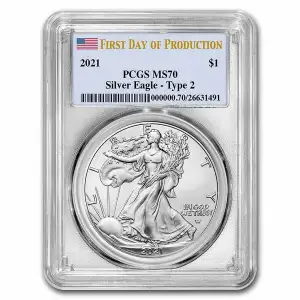
This beginner‑friendly checklist covers what to know before buying gold and silver locally, how pricing (spot + premium) works, which products to start with, how Texas sales tax applies, and how to choose a reputable local dealer with strong community reviews.
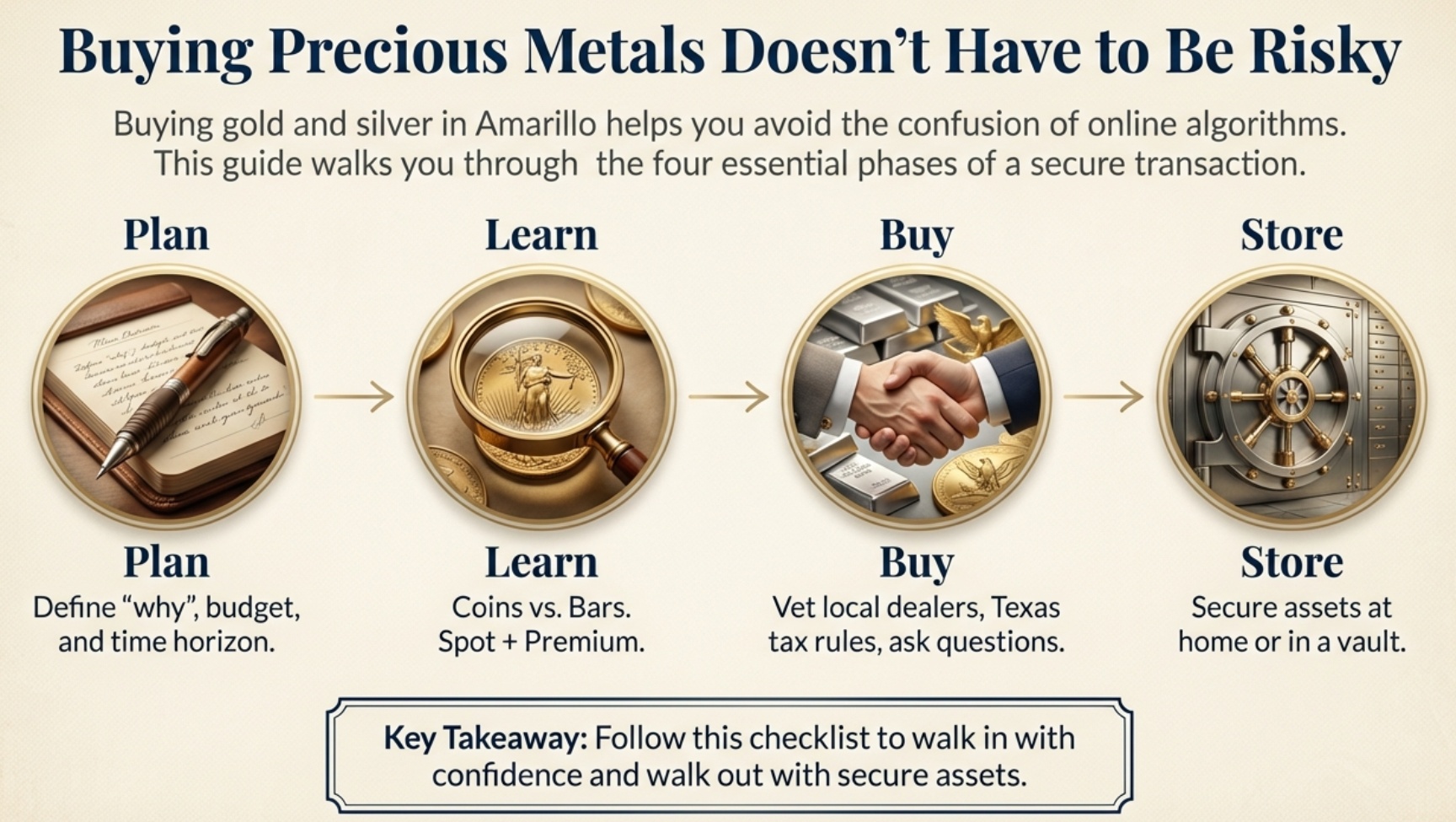
Buying gold and silver in Amarillo does not have to be confusing or risky. This checklist walks beginners through what to know before buying gold, how to choose a trusted local gold dealer near you, and what to do before, during, and after your first visit to a shop.
Why Buy Gold and Silver Locally Instead of Only Online?
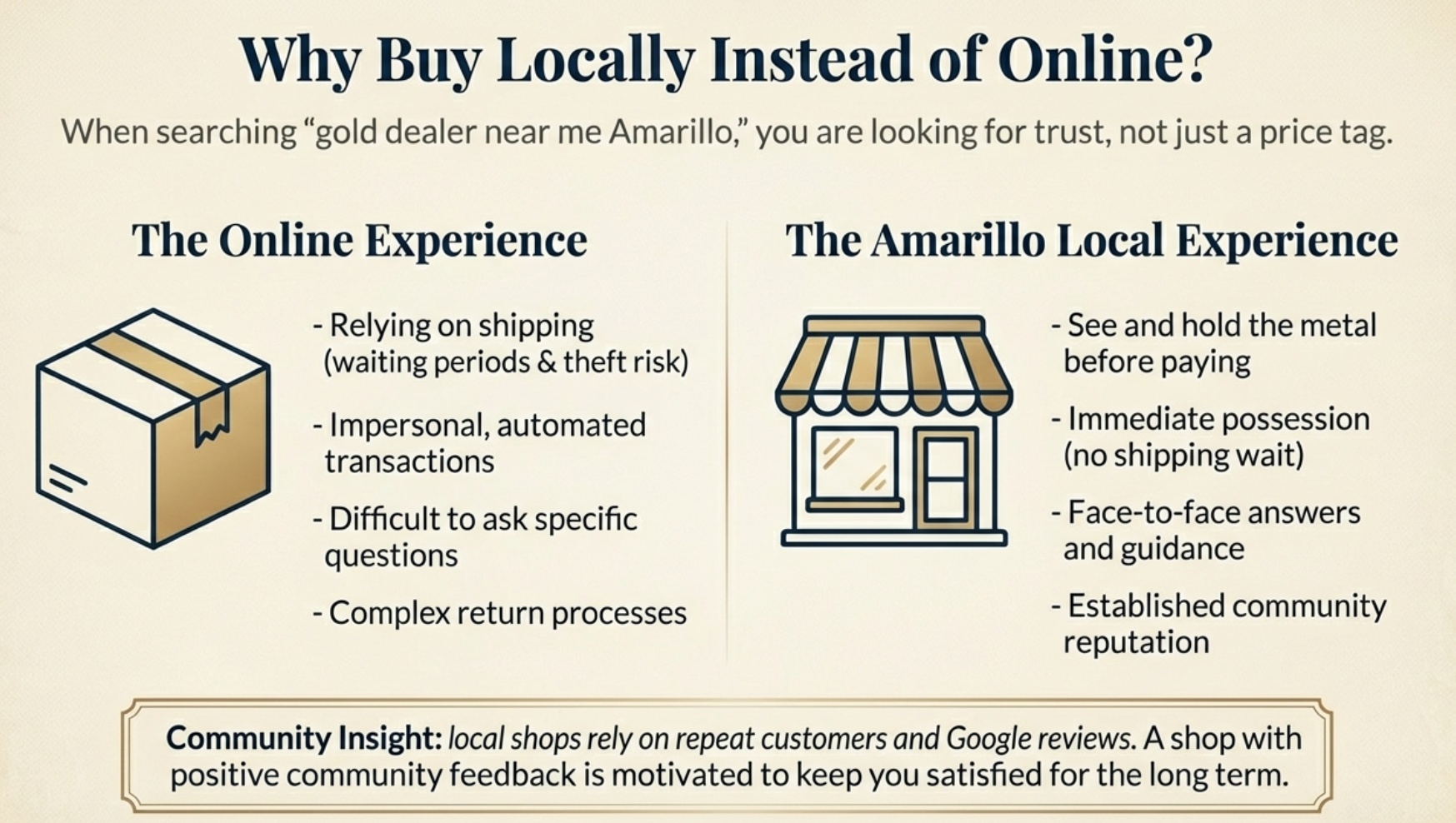
When you search for “buying gold in Amarillo” or “gold dealer near me Amarillo,” you are usually looking for more than just a price—you want a real person to talk to and a place you can trust. Buying gold and silver locally lets you see and hold the metal before you pay, ask questions face to face, and know exactly where to go if you ever have a concern.
Major financial media outlets have also discussed the pros and cons of buying gold online versus in person, noting the importance of transparency, delivery risks, and dealer reputation.
Local gold and silver shops rely heavily on reputation and repeat customers, which gives them a strong incentive to be transparent and fair. Google reviews and word‑of‑mouth in the community are powerful signals; a shop with consistently positive feedback is usually working hard to keep customers satisfied.
The Advantages of a Local Gold Dealer Near You
A reputable local gold and silver shop will let you inspect coins and bars, explain pricing in plain language, and help you choose products that match your budget and goals. You can often walk out with your gold or silver the same day instead of waiting for a shipment and worrying about delivery.
Buying locally also supports the community and makes follow‑up simple. If you want to sell back, ask about storage, or expand your holdings later, you already have a relationship with a dealer who knows you and your preferences.
Step 1 – Get Clear on Why You’re Buying Gold and Silver
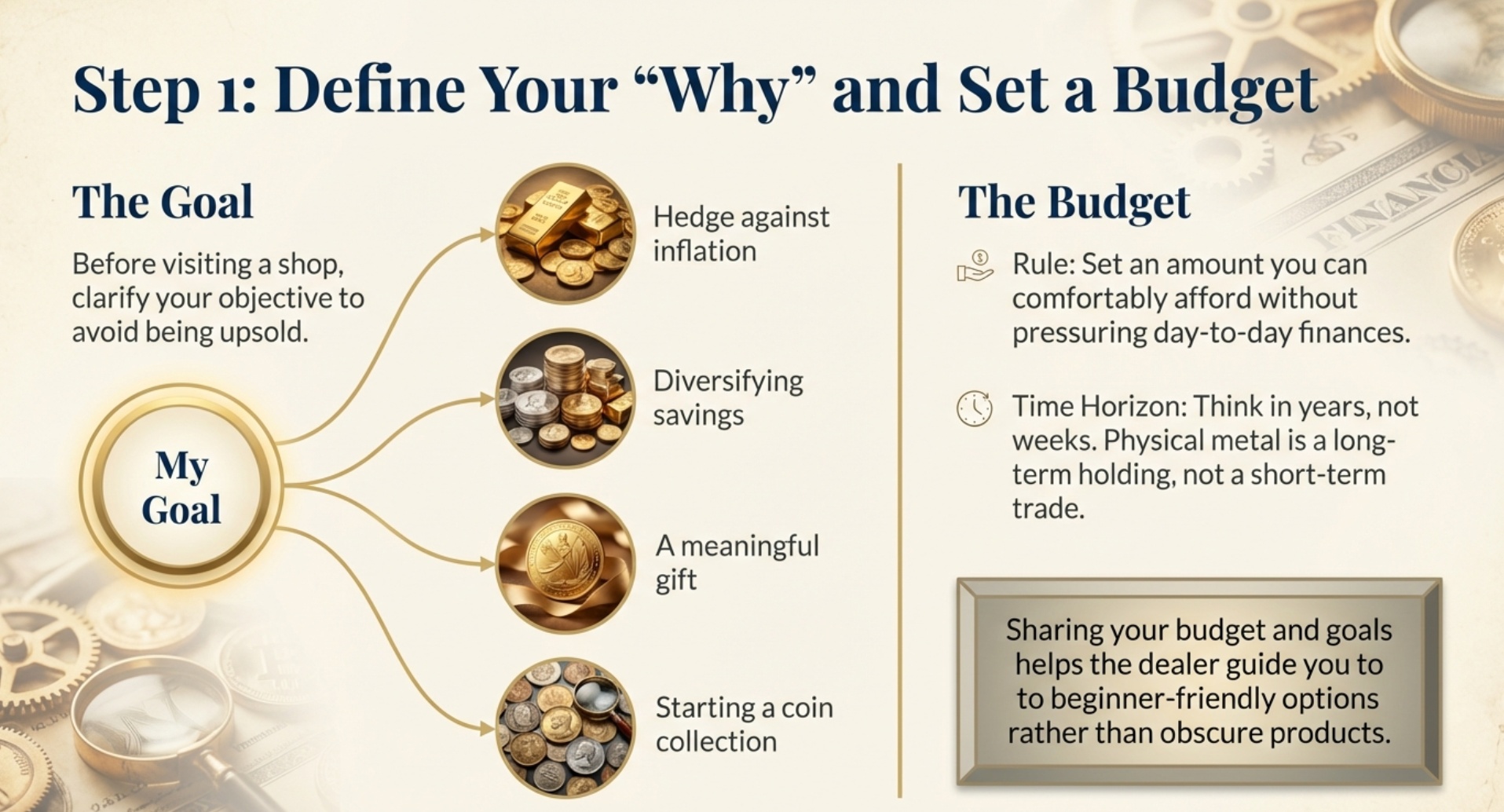
Before you ever step into a shop, it helps to know why you want to buy gold and silver in the first place. Are you looking for a hedge against inflation, a way to diversify your savings, a meaningful gift, or the start of a coin collection?
When you know your “why,” it is much easier to decide what to buy and how much to spend. It also helps your local gold dealer give better guidance instead of guessing what you really need.
Set a Simple Budget and Time Horizon
Start with a realistic budget for your first purchase—an amount you can comfortably afford without putting pressure on your day‑to‑day finances. Think in terms of years, not weeks, for your time horizon; physical gold and silver work best as long‑term holdings, not short‑term trades.
Sharing your budget and time horizon with a trusted dealer allows them to point you toward beginner‑friendly options, instead of upselling you into products that do not match your situation.
Step 2 – Learn the Basics: Coins vs Bars and Gold vs Silver
You do not need to become an expert before your first visit, but a few basics go a long way. Beginners usually choose between coins and small bars, and between gold, silver, or a mix of both.
The U.S. Commodity Futures Trading Commission also provides guidance on what first-time precious metals buyers should understand before investing.
Gold tends to be more compact in value and less volatile than silver, while silver offers lower entry prices per piece and more visible “stacking” for the same budget. A local dealer can walk you through these trade‑offs, but knowing the basic vocabulary helps you follow the conversation.
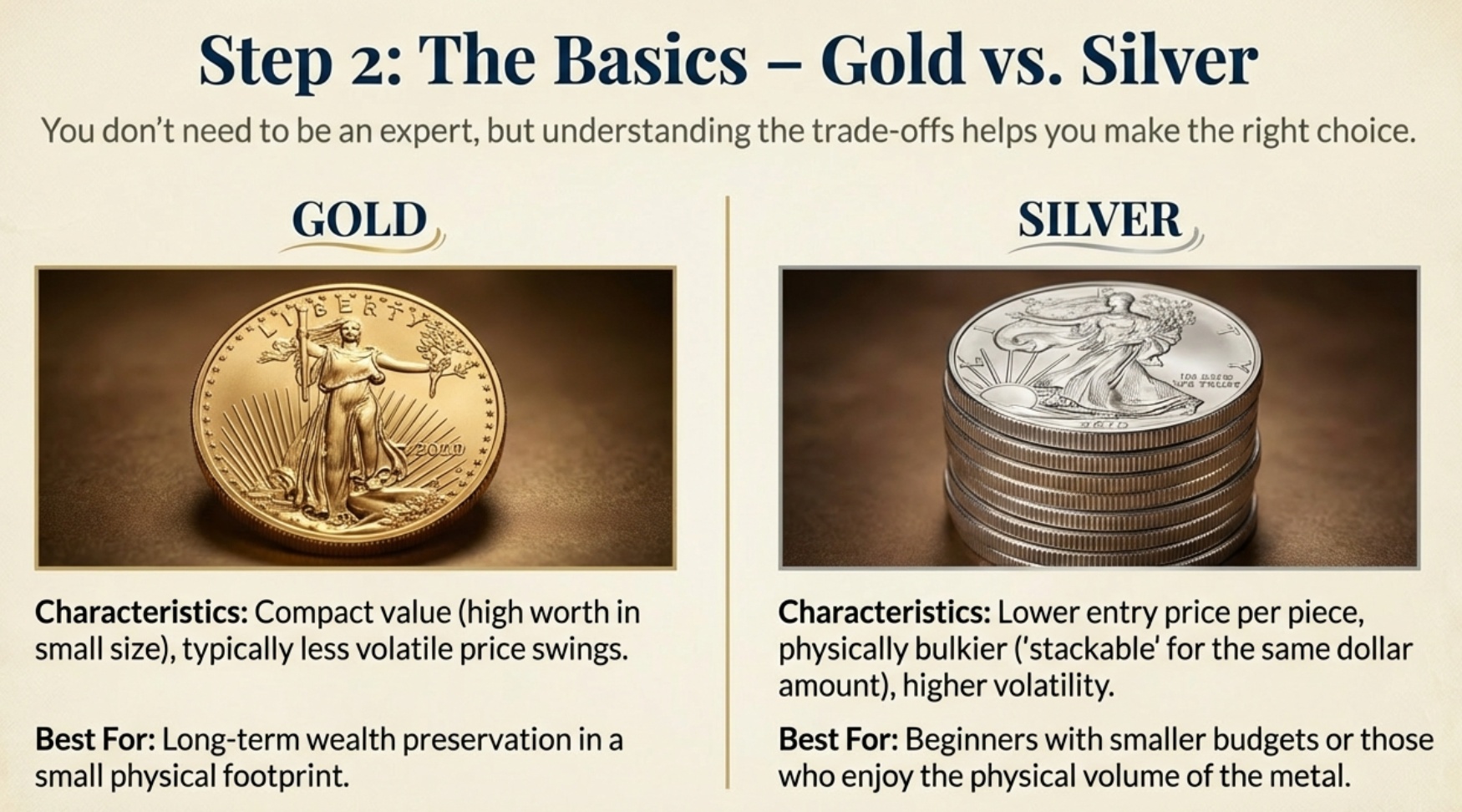
Popular Gold and Silver Coins for Beginners
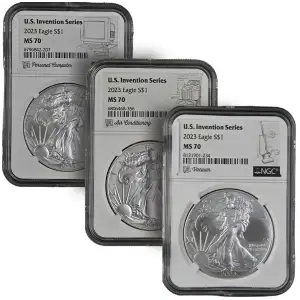
Most first‑time buyers start with widely recognized bullion coins from major mints because they are easy to understand and resell. Popular examples include:
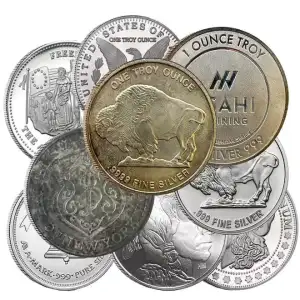
- US Gold and Silver American Eagles
- Canadian Gold and Silver Maple Leafs
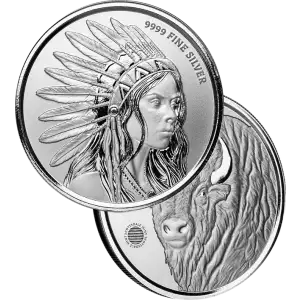
- Other government‑minted bullion coins with clearly marked weight and purity
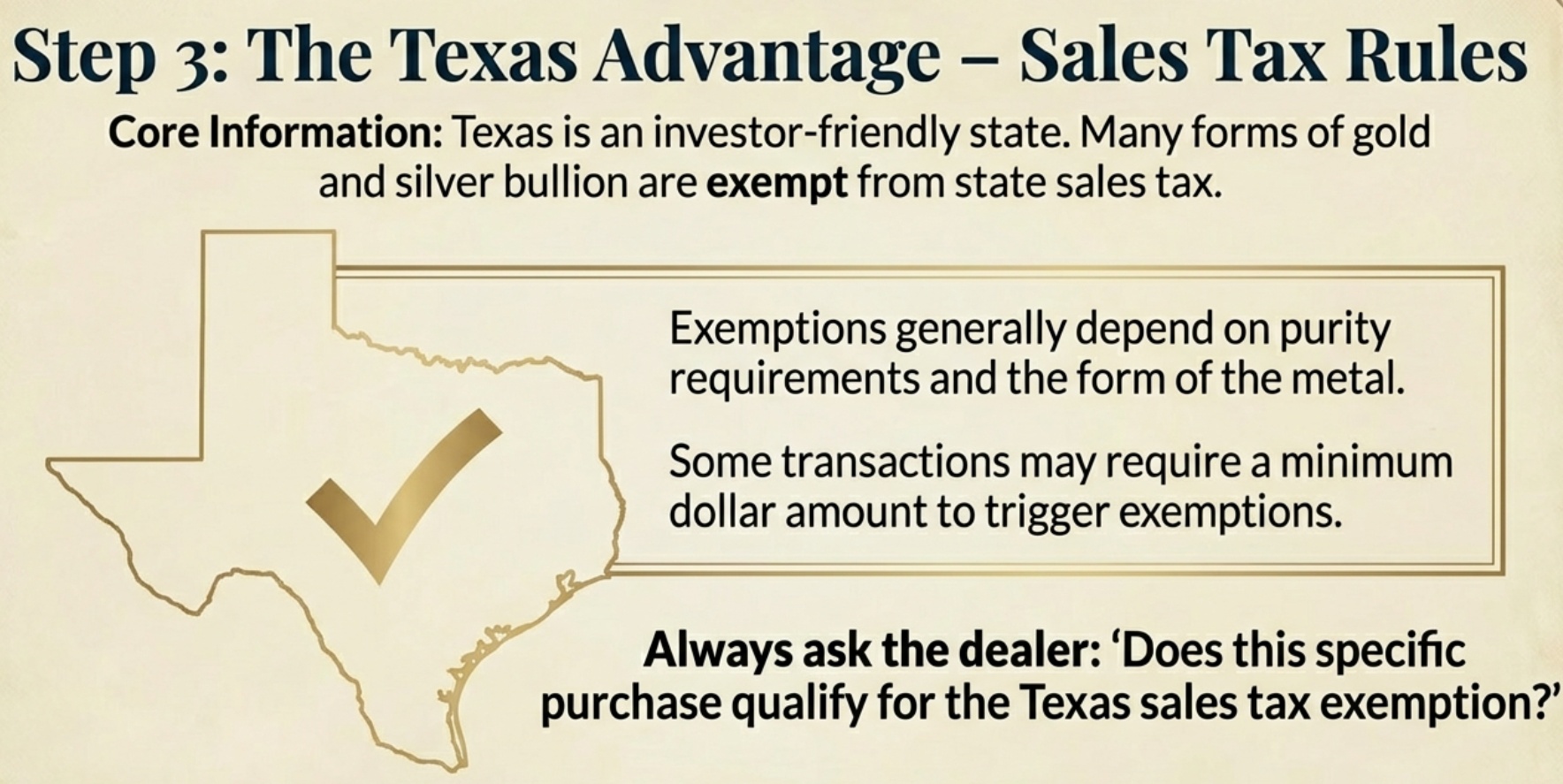
These well‑known coins typically carry moderate premiums—often in the range of roughly 3–6% above spot for common one‑ounce gold coins and somewhat higher, in percentage terms, for popular silver coins, depending on market conditions. The exact numbers move with demand, but having a ballpark helps you sense whether an offer is reasonable.
Coins vs Bars for Beginners
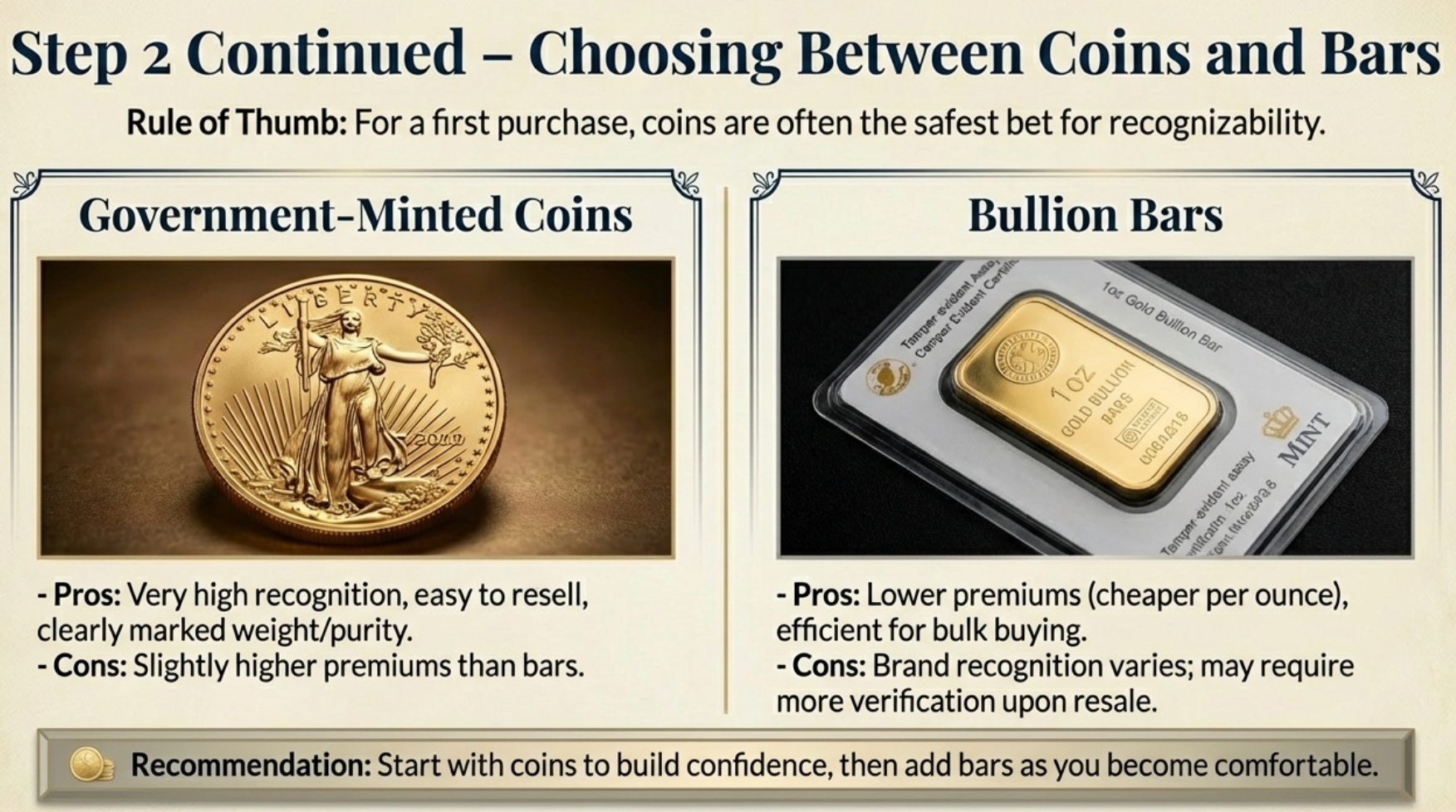
Here is a simple comparison to help you decide where to start:
| Feature | Coins (e.g., American Eagle, Maple Leaf) | Bars (small bullion bars) |
|---|---|---|
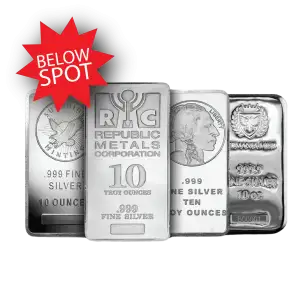
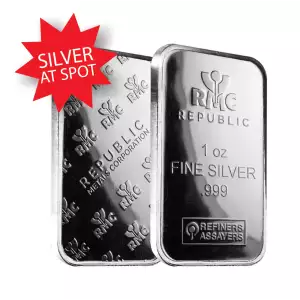
| Recognition & trust | Very high; widely recognized by dealers and buyers | Varies by brand; major refiners are well known |
| Typical premium over spot | Moderate (often ~3–6% for common gold coins; silver higher by %) | Often slightly lower per ounce on larger sizes |
| Ease of resale | Very easy; strong secondary market | Good for well‑known brands; may need more verification |
| Denominations | Common in 1 oz; also fractional sizes | Wide range of sizes (1 oz and up) |
| Beginner friendliness | Excellent; simple to understand and value | Good; best if you stick to well‑known brands |
For a first purchase, many beginners choose coins like American Eagles or Maple Leafs, then later add bars as they become more comfortable.
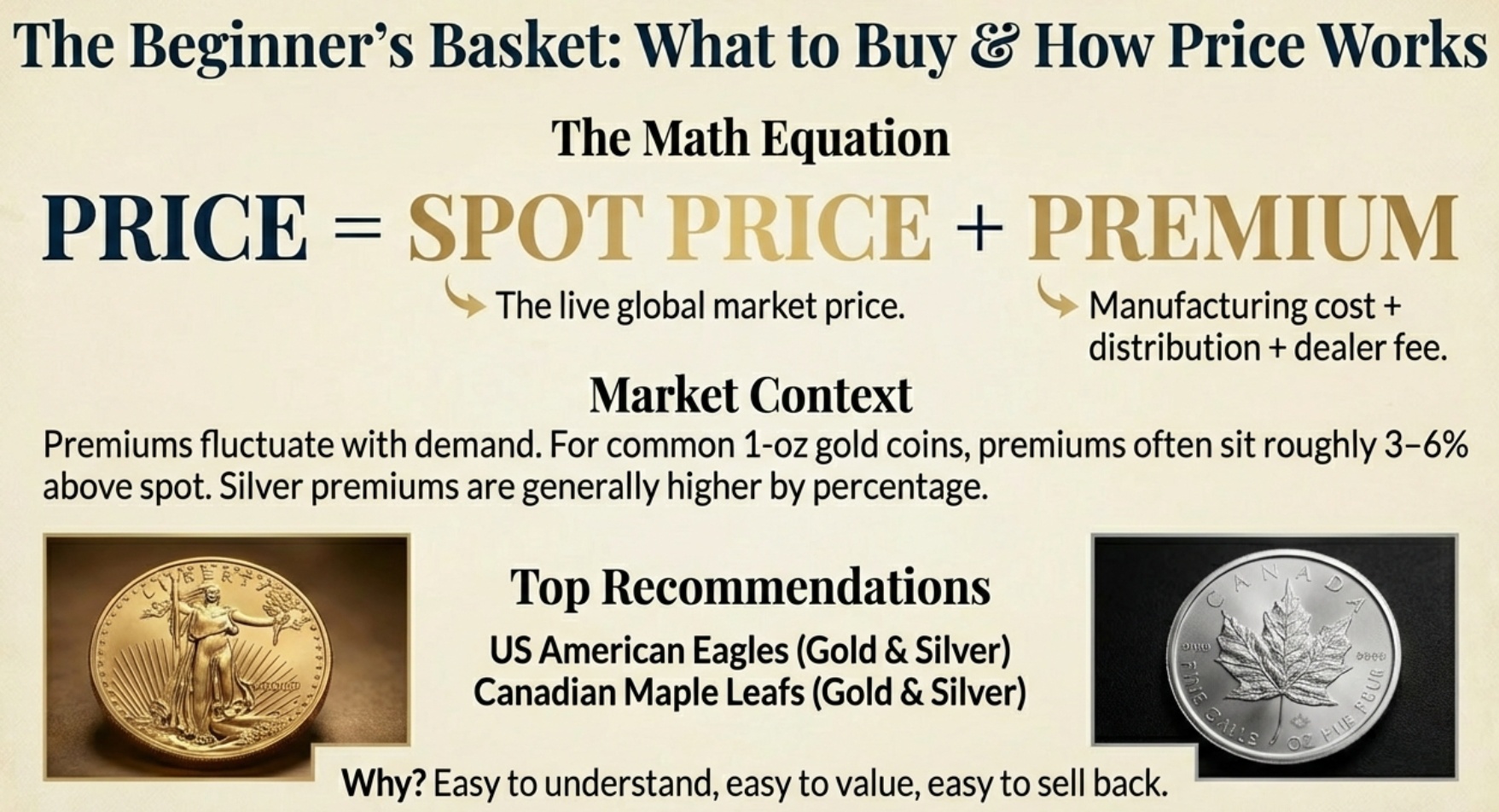
Step 3 – Understand Texas Sales Tax Rules on Gold and Silver
Texas has investor‑friendly sales tax rules for certain precious metals purchases, which is important to understand before you buy. Under Texas law, many forms of gold and silver bullion are exempt from state sales tax when they meet specific purity and form requirements and sometimes when the transaction exceeds a minimum dollar amount; however, the details and thresholds can change.
Because tax rules are technical and may be updated, a responsible dealer will explain how Texas sales tax applies to the specific coins or bars you are considering and whether your purchase qualifies for any exemptions. It is also wise to consult a tax professional or check official state resources if you want definitive, up‑to‑date guidance for your situation.
Step 4 – Research and Choose a Trusted Gold Dealer in Amarillo, TX
Choosing the right gold dealer near you is one of the most important steps in the process. You are trusting them not just with your money, but with your peace of mind.
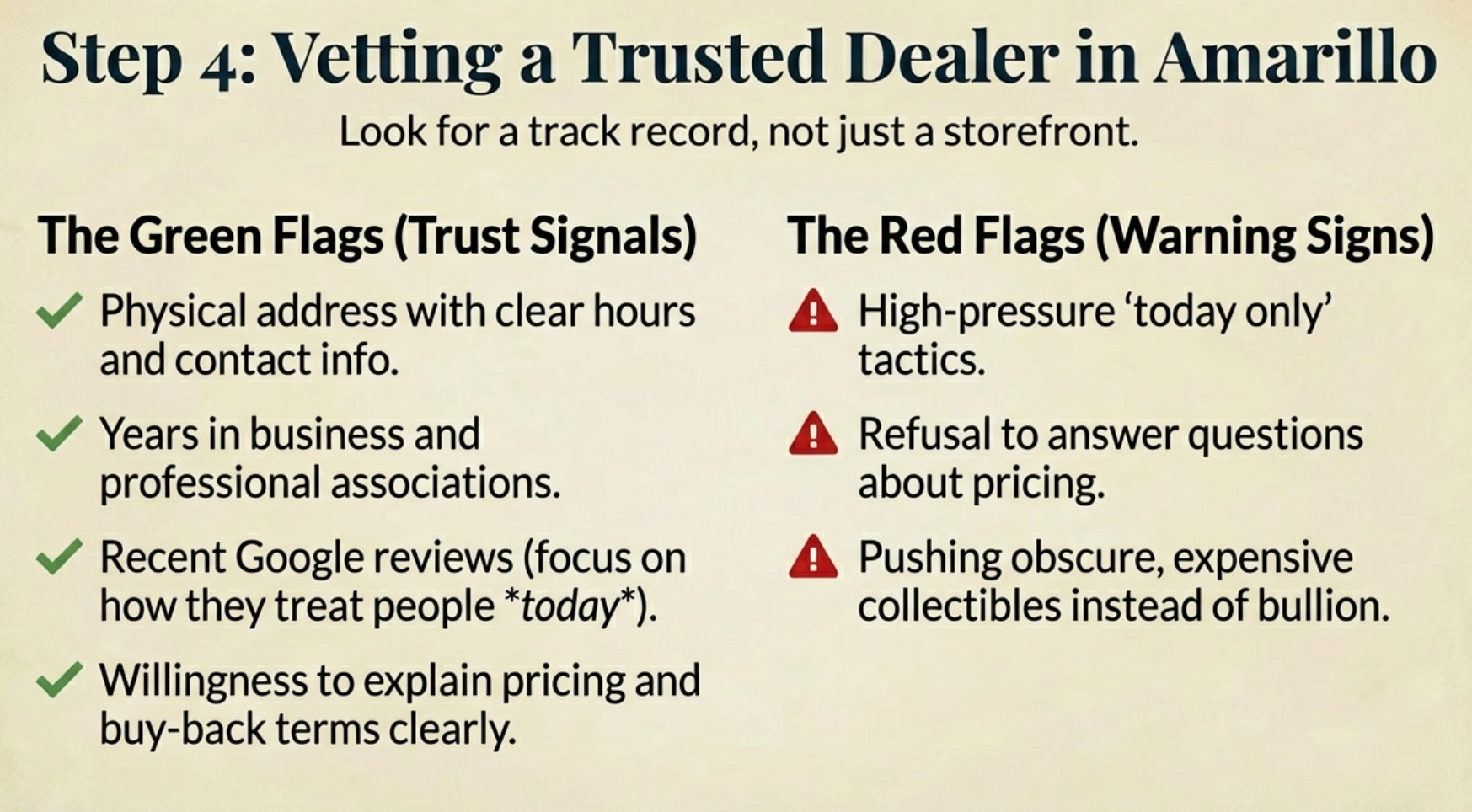
Look for an established shop with a physical address, clear contact details, and a track record in the community. Years in business, positive Google reviews, and professional associations are all good signs of a reputable local gold and silver dealer.
What to Look for in a Local Gold and Silver Shop
A trusted dealer should:
- Publish their address, hours, and phone number clearly
- Be willing to explain their pricing, premiums, and buy‑back terms
- Offer a reasonable selection of bullion coins and bars suitable for beginners
- Answer basic questions without making you feel rushed or embarrassed
Their website should look current and professional, with clear information about services like buying, selling, and storage. Recent Google reviews from local customers are especially valuable, because they show how the shop treats people today, not just years ago.
Red Flags to Avoid
Be cautious about dealers who:
- Refuse to explain how they price gold and silver
- Use high‑pressure, “today only” sales tactics
- Push you toward very expensive, obscure collectibles when you asked for a beginner’s guide to buying gold
- Avoid answering questions about how they would buy back the items they sell you
If something feels off, it is perfectly okay to thank them for their time and try a different gold dealer.
Step 5 – What to Know Before You Walk Into the Shop
A little preparation makes your first visit smoother and more productive. Think of it as packing a small checklist along with your wallet.
What to Bring With You
For your first trip to a local gold and silver shop, bring:
- A valid ID (some transactions or payment methods may require it)
- Your chosen payment method (cash, debit, bank check, etc., depending on the dealer’s policies)
- A simple note with your budget, goals, and a few products you are interested in (for example, “gold coins around X dollars” or “starter silver purchases”)
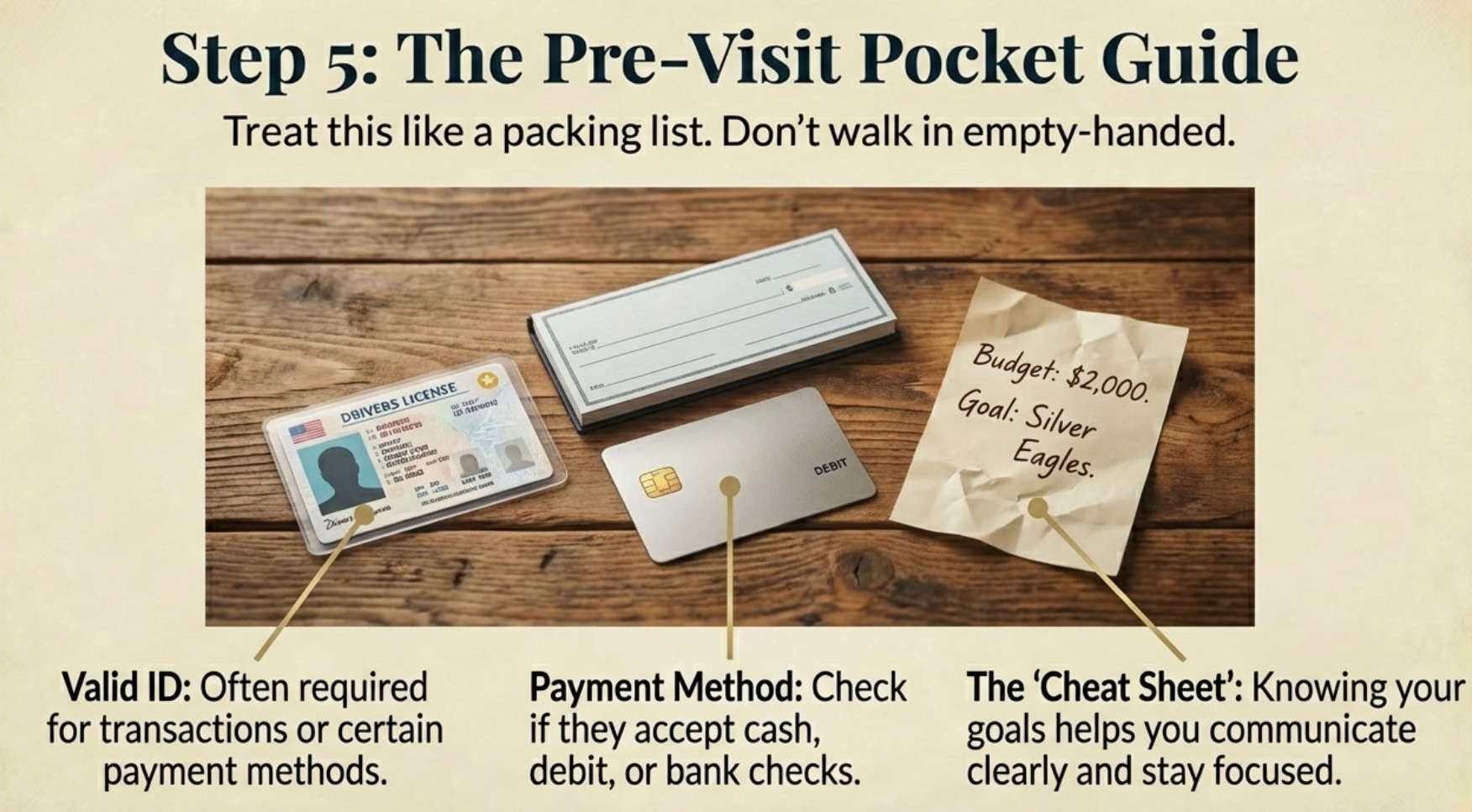
Having this written down helps you stay focused and makes it easier to communicate what you want.
Questions to Ask on Your First Visit
Consider asking:
- How do you set your prices for gold and silver today?
- What beginner‑friendly products would you recommend at my budget?
- What is your buy‑back policy—how would you buy back this coin or bar?
- Are there any minimum purchase amounts or fees I should know about?
- How do Texas sales tax rules apply to this purchase?
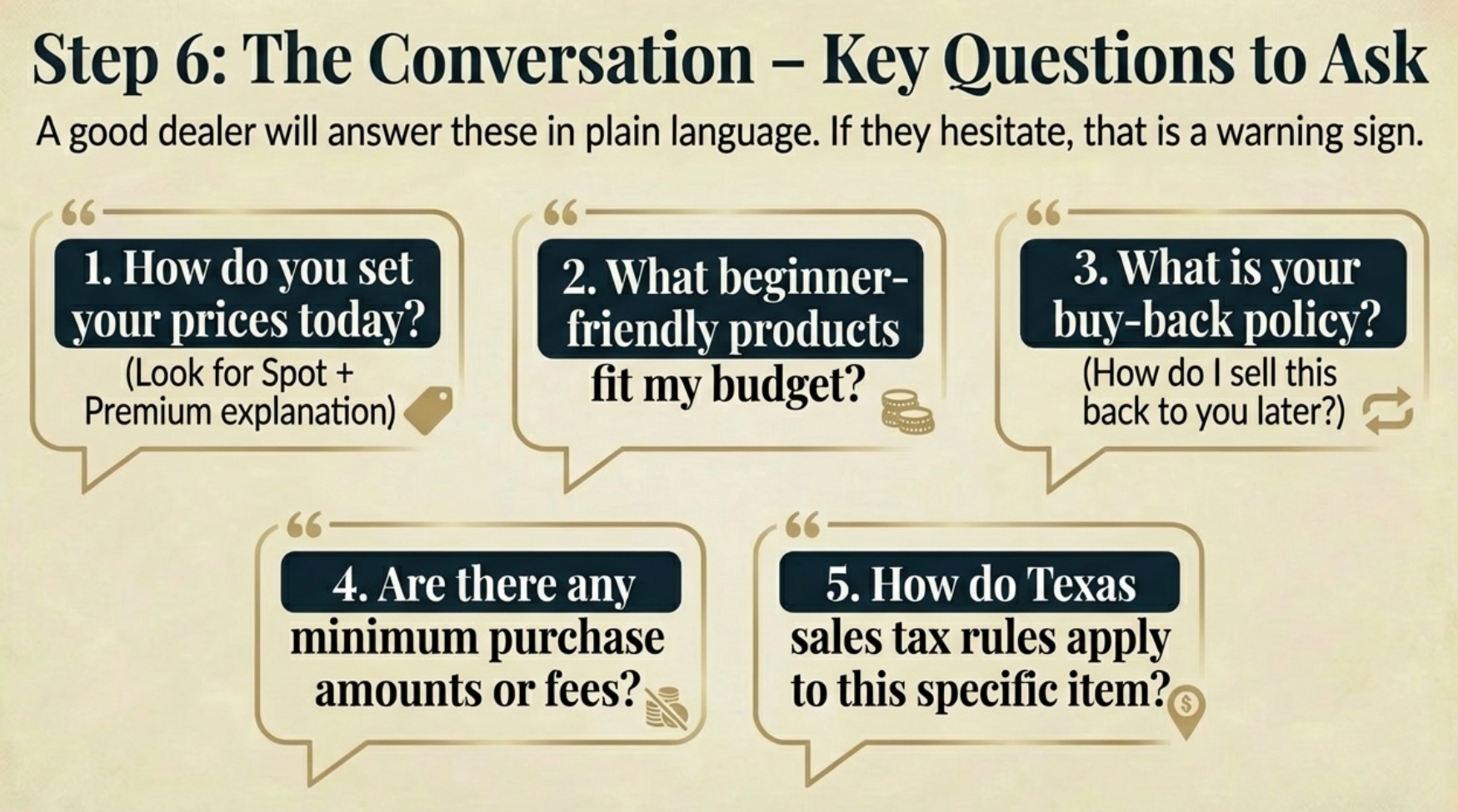
A good dealer will be happy to walk through these questions in plain language.
Step 6 – Understand Safety, Storage and Documentation
Owning gold and silver means thinking not just about buying, but also about how you will store and protect your metals.
Safely Transporting Gold and Silver Home
When you leave the shop, carry your purchase discreetly—no need to advertise what you are holding. Use a plain bag, go straight to your planned storage location, and avoid leaving metals in your vehicle.
If you are making a larger purchase, you may want to bring a trusted friend or plan your route ahead of time for peace of mind.
Home vs Vault Storage in Amarillo
For smaller amounts, some people choose a secure spot at home, such as a safe that is bolted down and out of sight. For larger holdings, professional bullion storage through a local dealer’s vault can offer added security and insurance options.
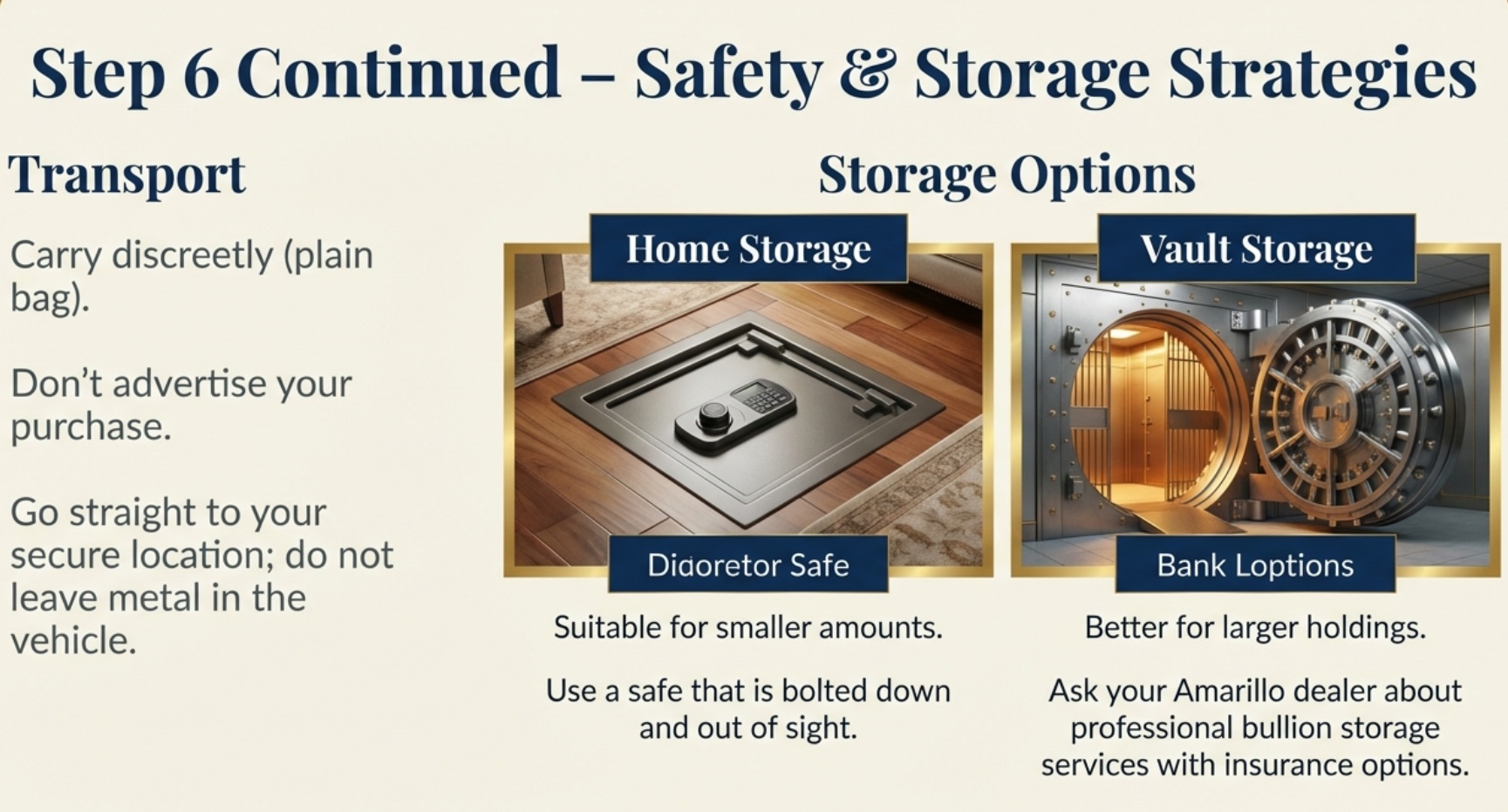
A reputable gold and silver shop can explain their storage services, fees, and access procedures so you can decide what fits your situation best.
Step 7 – Avoid the Most Common Beginner Mistakes
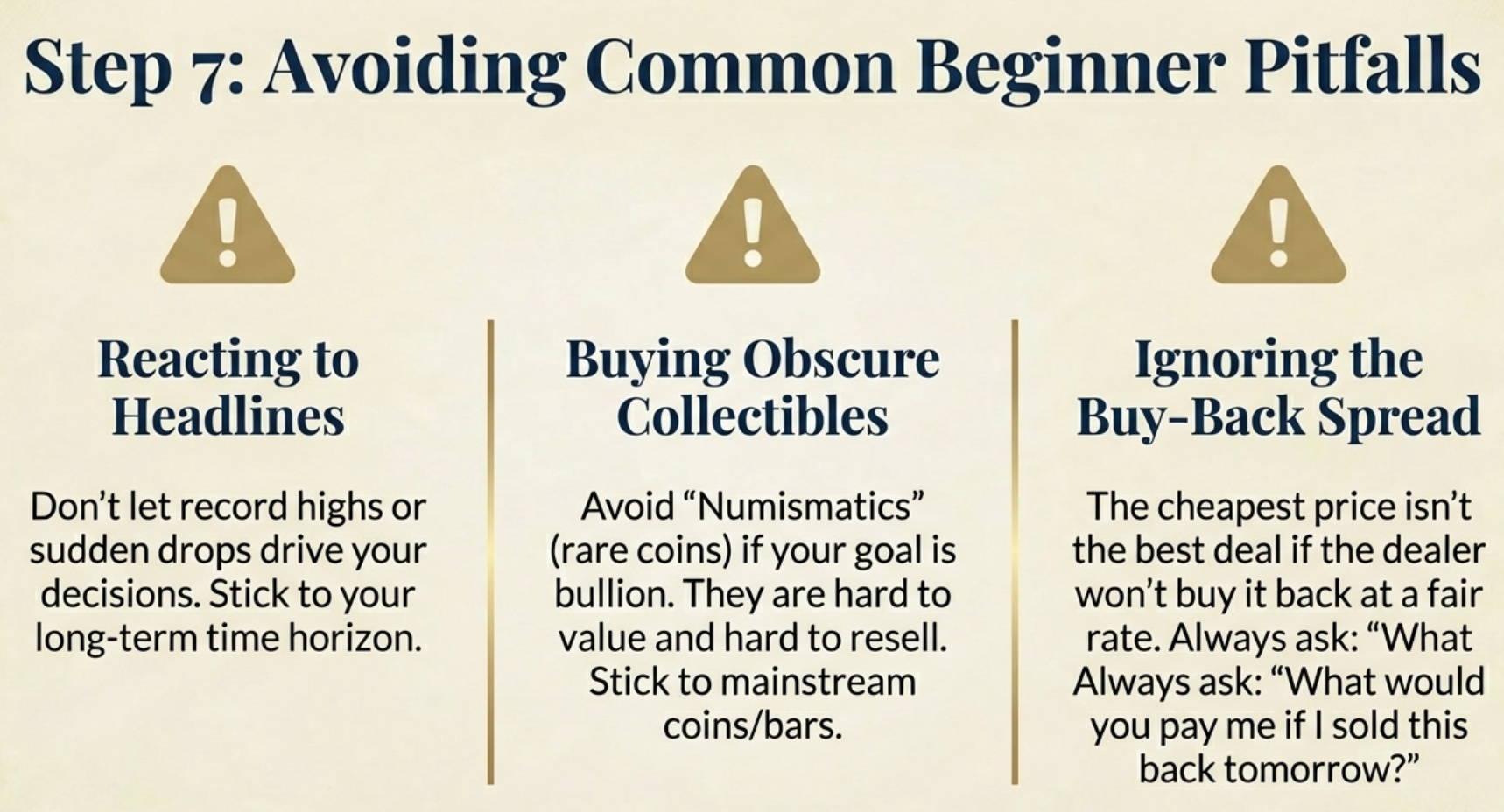
A few common pitfalls show up again and again when people buy gold and silver locally for the first time. Knowing them in advance can save you money and stress.
Focusing Only on Price Headlines, Not Your Plan
It is easy to get excited—or scared—by headlines about record highs or sudden drops. But if you let those headlines drive all your decisions, you may end up buying high, selling low, and abandoning your original goals.
Instead, focus on your budget and long‑term reason for owning metals. Use price moves as context, not commands.
Buying the Wrong Type of Gold or Silver
If your goal is straightforward bullion ownership, avoid being talked into obscure or heavily marked‑up collectibles that are hard to understand or resell. Those pieces might make sense for advanced collectors, but beginners generally do better with mainstream bullion coins and bars.
A trustworthy dealer will explain the difference between bullion and numismatic products and help you choose based on your actual goals.
Forgetting About Fees, Premiums and Buy‑Back Terms
The “cheapest per ounce” deal is not always the best if the product carries high premiums or the dealer’s buy‑back spread is wide. Ask how much you would receive if you sold the same item back tomorrow and compare that with what you pay today.
This simple question can reveal a lot about whether a local gold dealer is treating you fairly.
Quick Checklist: Your First Gold and Silver Purchase
Before you buy gold and silver locally, make sure you can check off these boxes:
- I know why I am buying and have set a realistic budget and time horizon.
- I understand the basics of coins vs bars and gold vs silver.
- I have researched a trusted local gold and silver shop, checked Google reviews, and confirmed reputation in the community.
- I know what to bring (ID, payment method, list of questions) on my first visit.
- I have asked how Texas sales tax rules apply to my chosen products.
- I have a plan for how and where I will store my metals after purchase.
With this beginner’s checklist in hand, you are far better prepared than most first‑time buyers.
Frequently Asked Questions
Q: How do I start buying gold and silver locally in Amarillo, TX?
A: Start by clarifying your goals and budget, then research a well‑established local gold and silver shop with a physical address, solid reviews, and transparent pricing. Visit in person, ask about beginner‑friendly products like American Eagles and Maple Leafs, and begin with a small, comfortable purchase.
Q: What should I know before buying gold for the first time?
A: Know the difference between spot price and premium, understand the basic options (coins vs bars, gold vs silver), and have a plan for storage before you buy. It also helps to write down a few questions about pricing, Texas tax treatment, and buy‑back policy to ask your dealer.
Q: Is it better to buy gold and silver coins or bars as a beginner?
A: There is no one‑size‑fits‑all answer, but many beginners prefer well‑known bullion coins like American Eagles and Maple Leafs because they are easy to recognize, price, and resell. Small bars can be cost‑effective per ounce, especially at slightly lower premiums, but coins are often simpler for first‑time buyers to understand.
Q: How can I tell if a gold dealer near me is trustworthy?
A: Look for years in business, a physical storefront, clear contact information, and consistent positive feedback from local customers on Google and other review platforms. A trustworthy dealer explains pricing, premiums, tax considerations, and buy‑back terms openly and does not pressure you into rushed decisions.
Q: What should I bring when I visit a local gold and silver shop for the first time?
A: Bring a valid ID, your preferred payment method as accepted by the shop, and a short note with your budget and questions. This makes it easier to stay focused and get the information you need without forgetting key points.
Q: How do local dealers set their gold and silver prices?
A: Local dealers typically start with the live spot price and add a premium that reflects the product type, demand, and their operating costs. For common bullion coins like one‑ounce American Eagles, that premium can often be a few percentage points above spot in normal markets, while silver products and smaller pieces may carry higher percentage premiums.
Where should I store gold and silver after I buy it locally?
Small amounts can be kept at home in a secure, discreet safe, while larger holdings may be better suited to professional vault storage through a bullion storage service. Ask your local dealer about their storage options, insurance, and access policies, then choose the solution that matches your risk tolerance and investment size.
If you are ready to put this beginner’s checklist into action, call your local gold and silver shop at (806) 374-8698 or stop by during business hours to see real products, ask your questions, and make your first purchase with confidence. A short phone call today can save you a lot of guesswork tomorrow.