If you own gold or silver—or are thinking about it—it can be unsettling to see prices jump up one week and fall the next. This guide explains in plain language why gold and silver prices go up and down, what actually affects them, and how long‑term investors can live with that volatility instead of fearing it.
In our experience working with long‑term precious metals investors, the biggest shift happens when they stop trying to predict every move and start understanding the bigger forces behind the swings.
Why Do Gold and Silver Prices Move So Much?
Gold and silver prices are always changing because they trade in global markets where millions of buyers and sellers constantly update their views on risk, inflation, and the economy. Every new piece of economic data, central bank comment, or geopolitical headline can nudge those expectations—and prices—up or down.
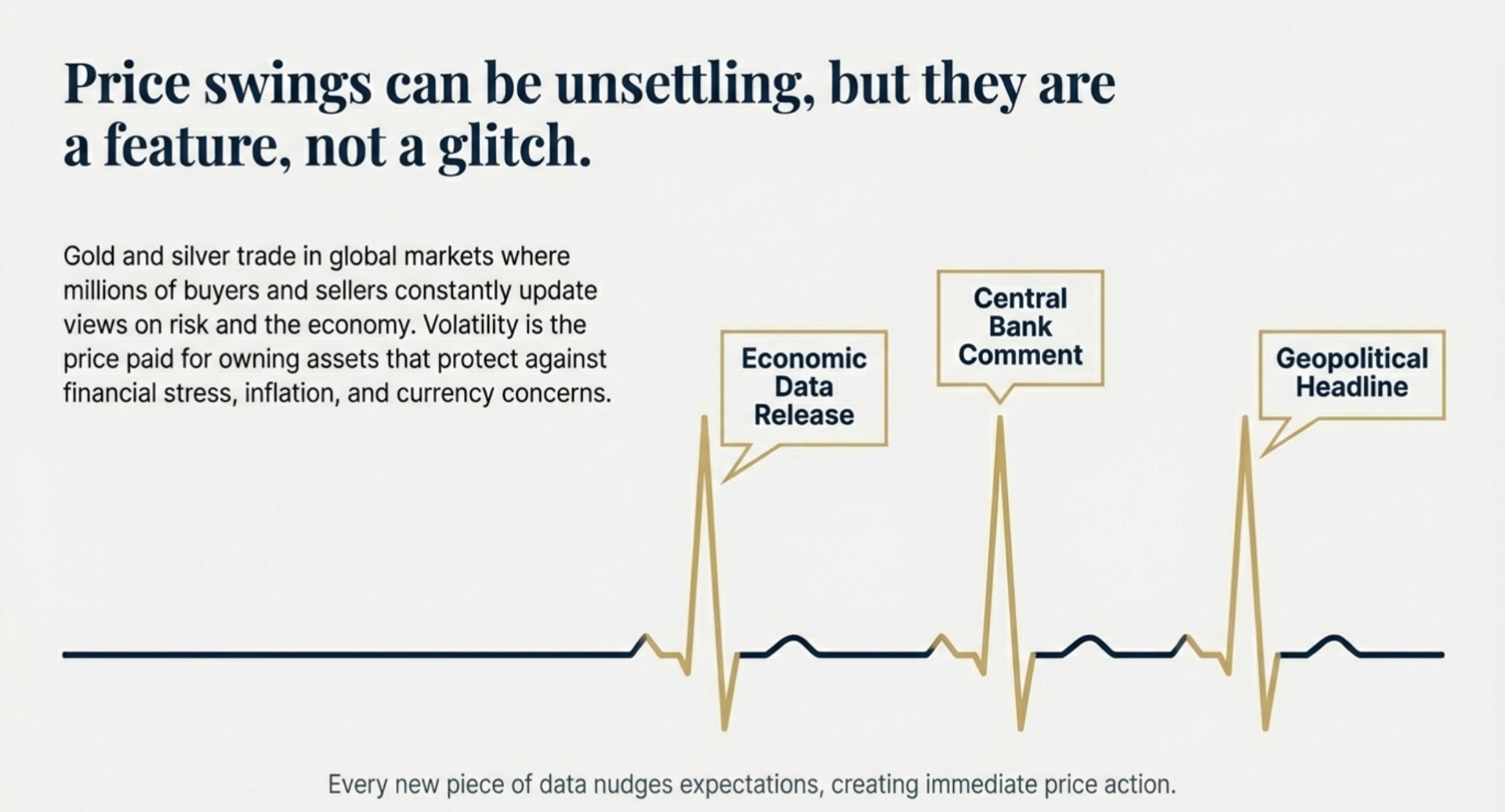
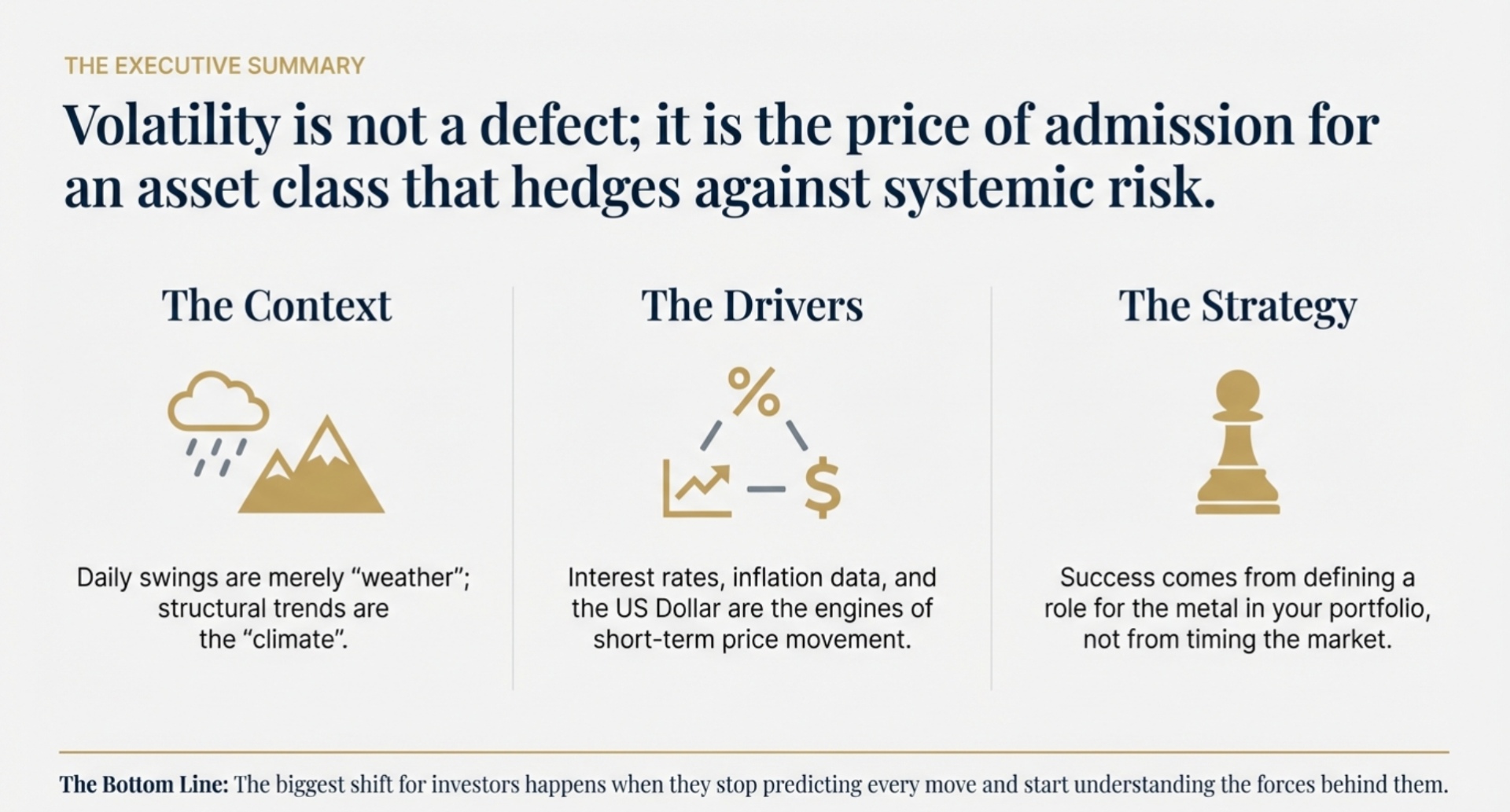
For long‑term investors, the key is to understand that price swings are a feature of these markets, not a glitch. Volatility is the price you pay for owning assets that can protect you in certain environments, especially when inflation, currency concerns, or financial stress show up.
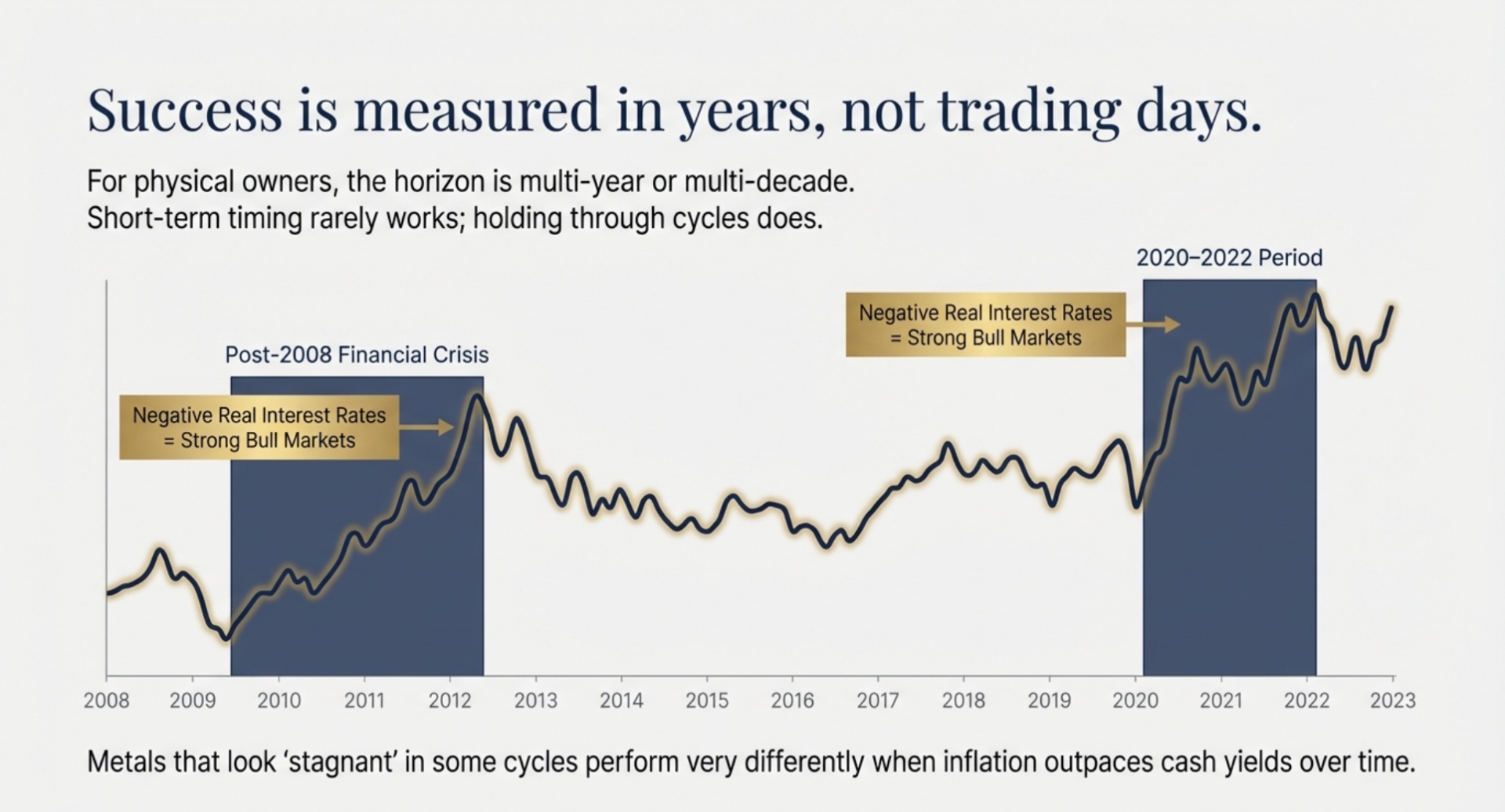
Historically, periods of negative real interest rates—such as in the years after the 2008 financial crisis and again around 2020–2022—have often coincided with strong bull markets in gold. Those episodes illustrate how the same metal that looks “stagnant” in some cycles can perform very differently when inflation outpaces cash yields over time.
Short‑Term Noise vs Long‑Term Trends
In the short term, gold and silver can respond sharply to individual news events, data releases, or shifts in investor mood. A single inflation report or central bank meeting can move prices noticeably over a day or two.
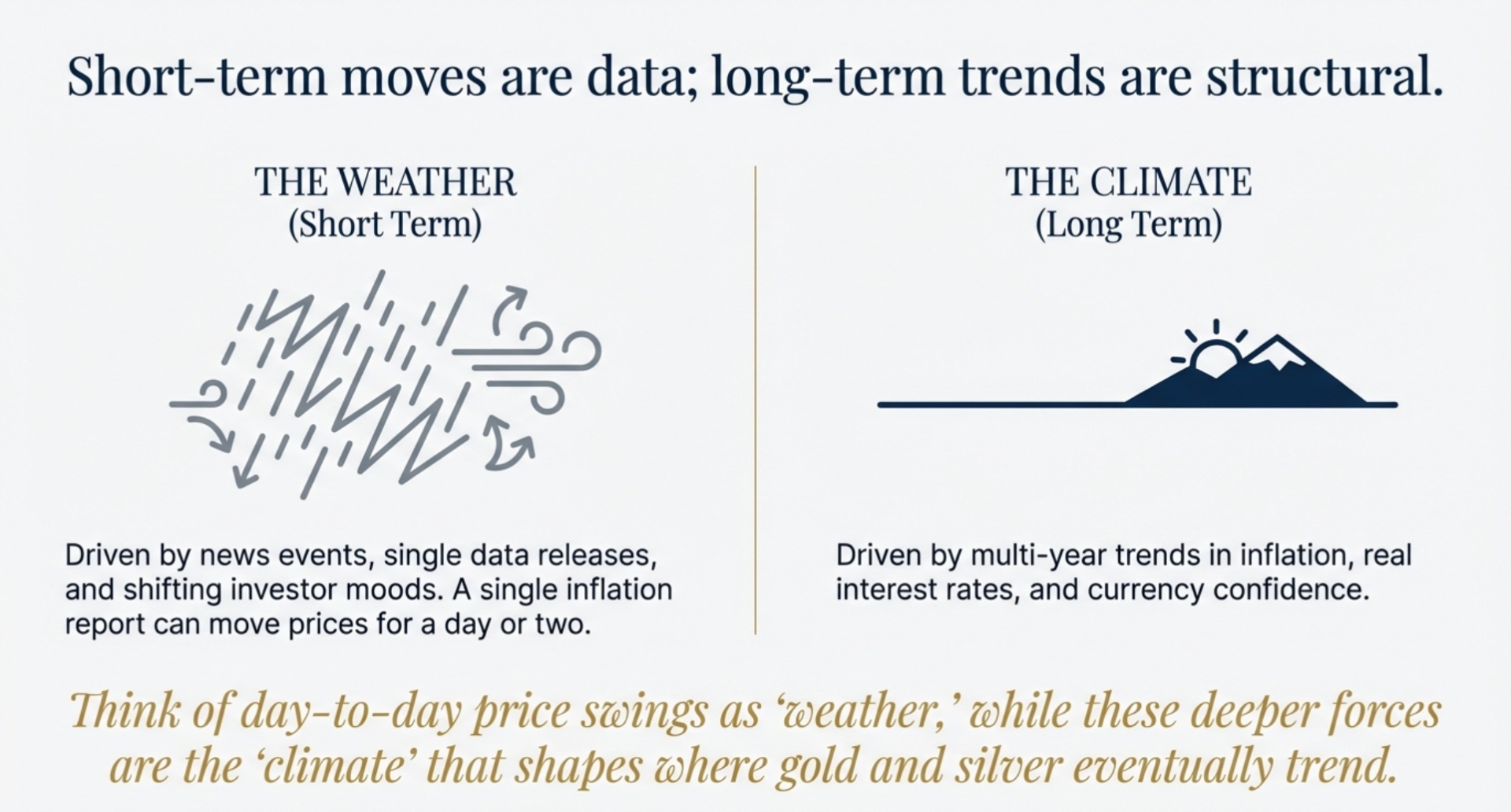
Over the long term, though, broader forces matter more: multi‑year trends in inflation, real interest rates, confidence in major currencies, and structural demand from investors, central banks, and industry. Think of day‑to‑day price swings as “weather,” while these deeper forces are the “climate” that shapes where gold and silver eventually trend.
What Affects Gold and Silver Prices Day to Day?
When people ask “why do gold prices go up and down?” or “why are gold and silver prices so volatile?”, they are usually reacting to short‑term moves. Those daily fluctuations typically come from a mix of macroeconomic data, market expectations, and trading activity.
Interest Rates, Inflation and the US Dollar
Three closely linked factors drive much of the short‑term movement in gold and silver:
- Interest rates and expectations. Because gold and silver do not pay interest, changing expectations about central bank policy matter a lot. When investors expect lower real interest rates, the opportunity cost of holding metals falls and they become more attractive.
- Inflation data and historical inflation cycles. Hotter‑than‑expected inflation often boosts interest in precious metals as a store of value, while softer numbers can temporarily cool demand. Over longer historical inflation cycles, metals have often acted as a hedge when purchasing power is under pressure.
- US dollar strength. Gold and silver are priced globally in dollars. When the dollar gets stronger, it often puts downward pressure on dollar‑denominated metal prices, and the opposite when the dollar weakens.
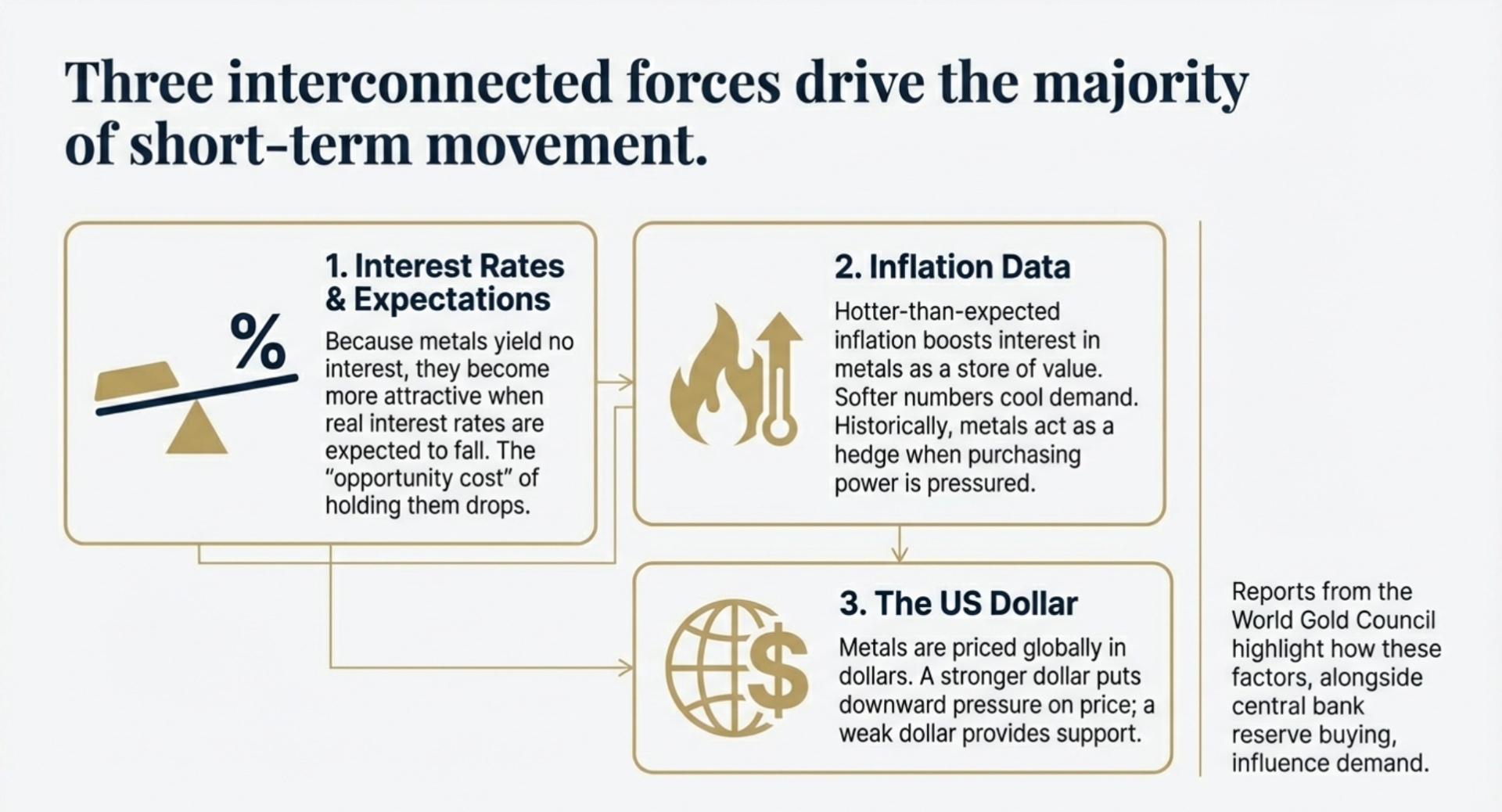
Reports from organizations like the World Gold Council regularly highlight how these macro factors, along with central bank reserve buying, influence long‑term demand for bullion.
Market Sentiment, Fear and “Safe‑Haven” Flows
Gold, in particular, is often called a “safe‑haven” asset because investors tend to rush to it when they are worried about markets or geopolitics. When fear rises—because of war, banking stress, or stock‑market turbulence—demand for gold and, to a lesser degree, silver can spike quickly.
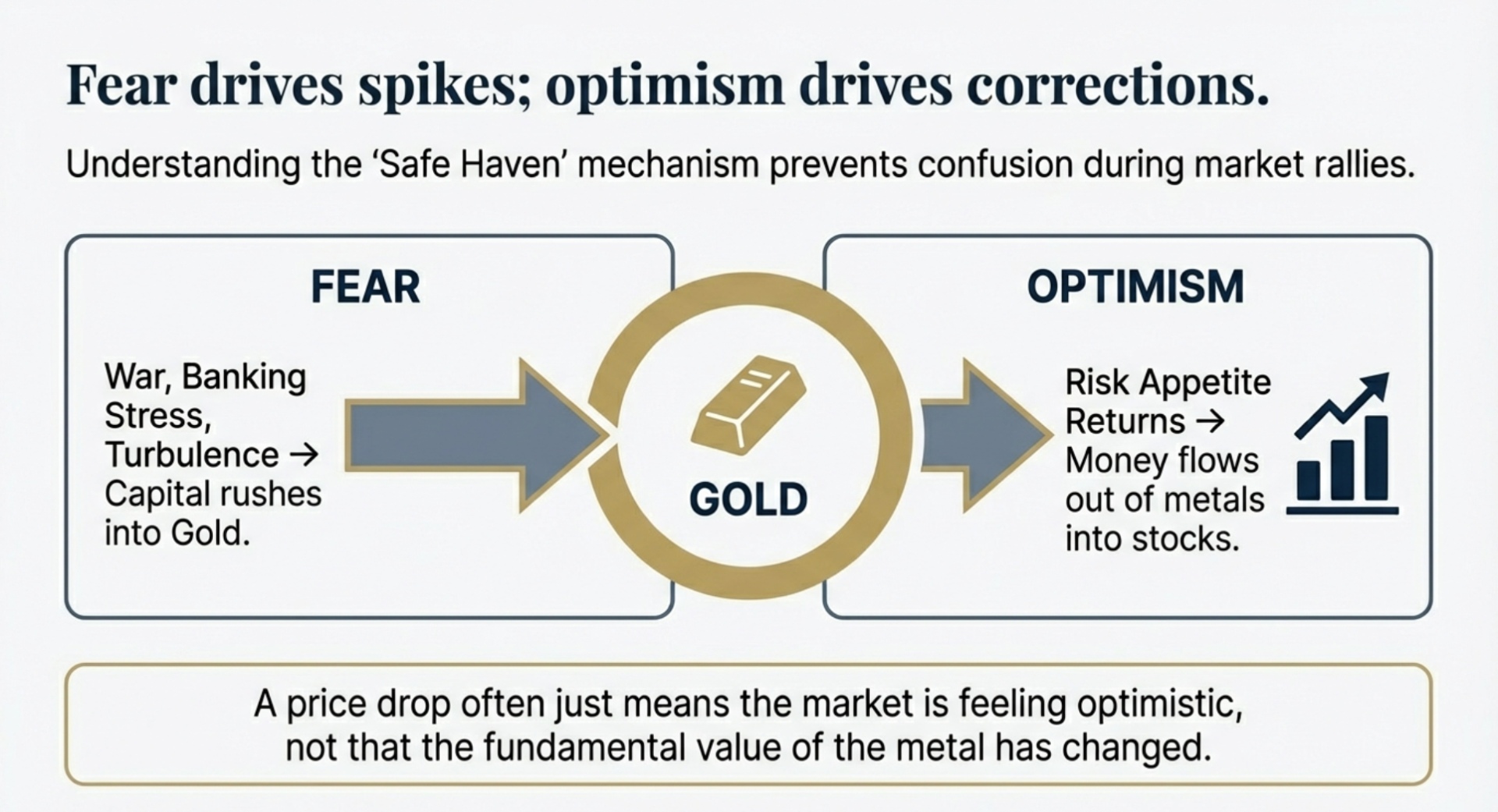
The same dynamic works in reverse. When investors feel optimistic and risk‑hungry, some move money out of metals and into stocks or other higher‑risk assets, which can push gold and silver prices down even if nothing fundamental has changed.
Why Is Silver More Volatile Than Gold?
Silver tends to be more volatile than gold because it has a dual role: it is both an investment metal and an industrial metal. Demand for silver comes not only from investors and coin buyers but also from manufacturers using it in electronics, solar panels, and other applications.
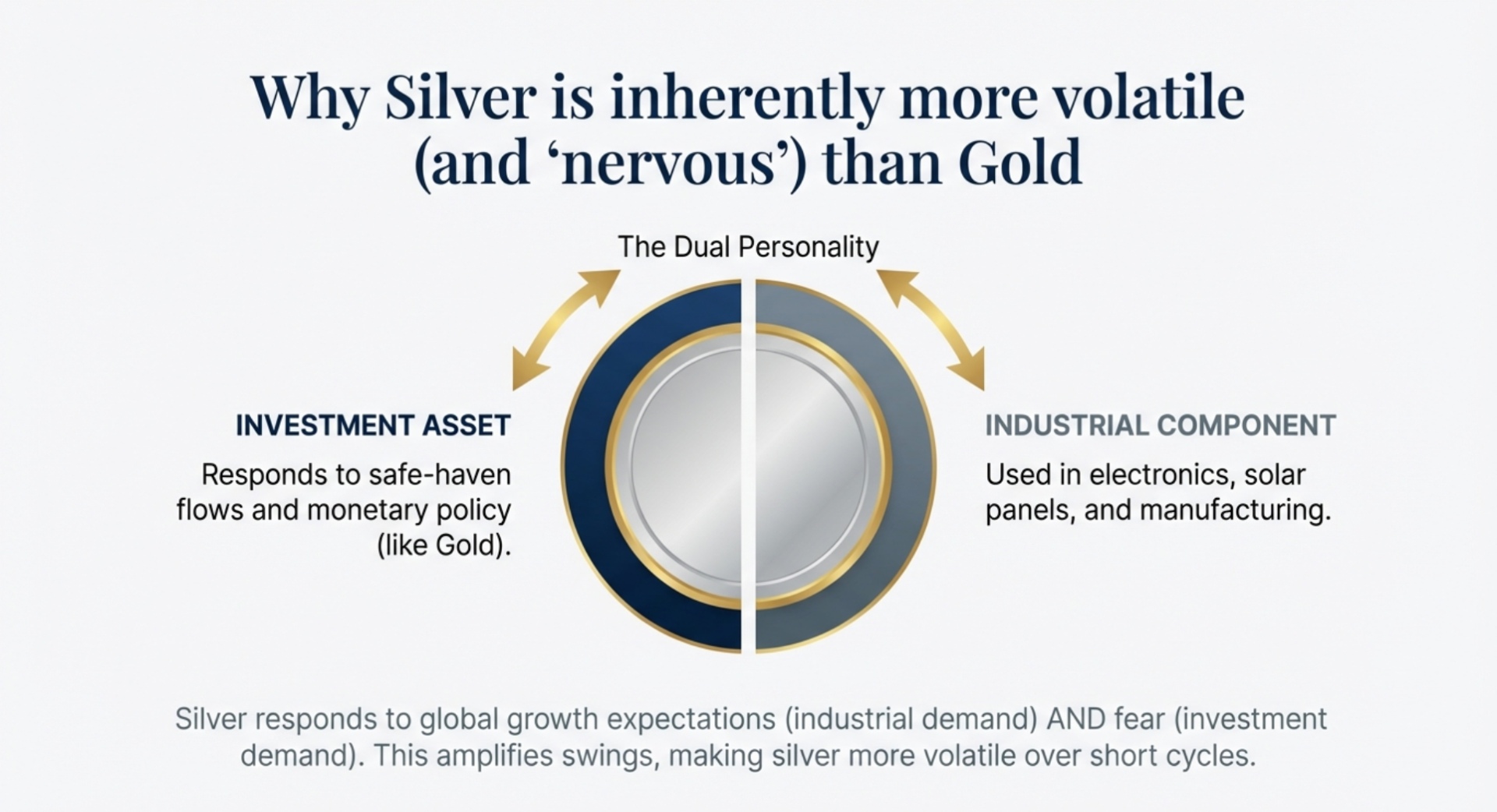
That means silver prices respond to both “safe‑haven” flows and expectations about global growth and industrial activity. When economic outlooks change, industrial demand expectations can amplify silver’s price swings, making it more “nervous” than gold over short cycles.
Long‑Term Investing in Gold and Silver: What Really Matters
If your goal is long‑term investing in gold and silver, your time horizon should be measured in years, not days or weeks. What matters most is why you own metals, how much of your overall portfolio they represent, and whether they still fit your plan—not whether the price is up or down this month.
Gold and silver are usually most effective as one part of a broader, diversified portfolio, not as an all‑or‑nothing bet. They can help hedge against inflation, currency risk, and certain market shocks, but they will also go through their own cycles—sometimes lagging other assets for extended periods.
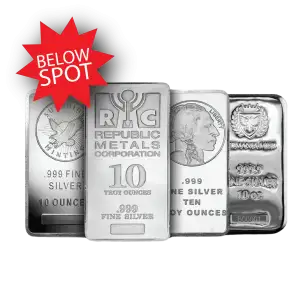
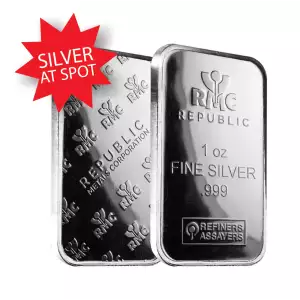
If you are building a long‑term position in physical metals, it helps to start with simple, widely recognized bullion coins and bars.
Gold and Silver as Part of a Diversified Portfolio
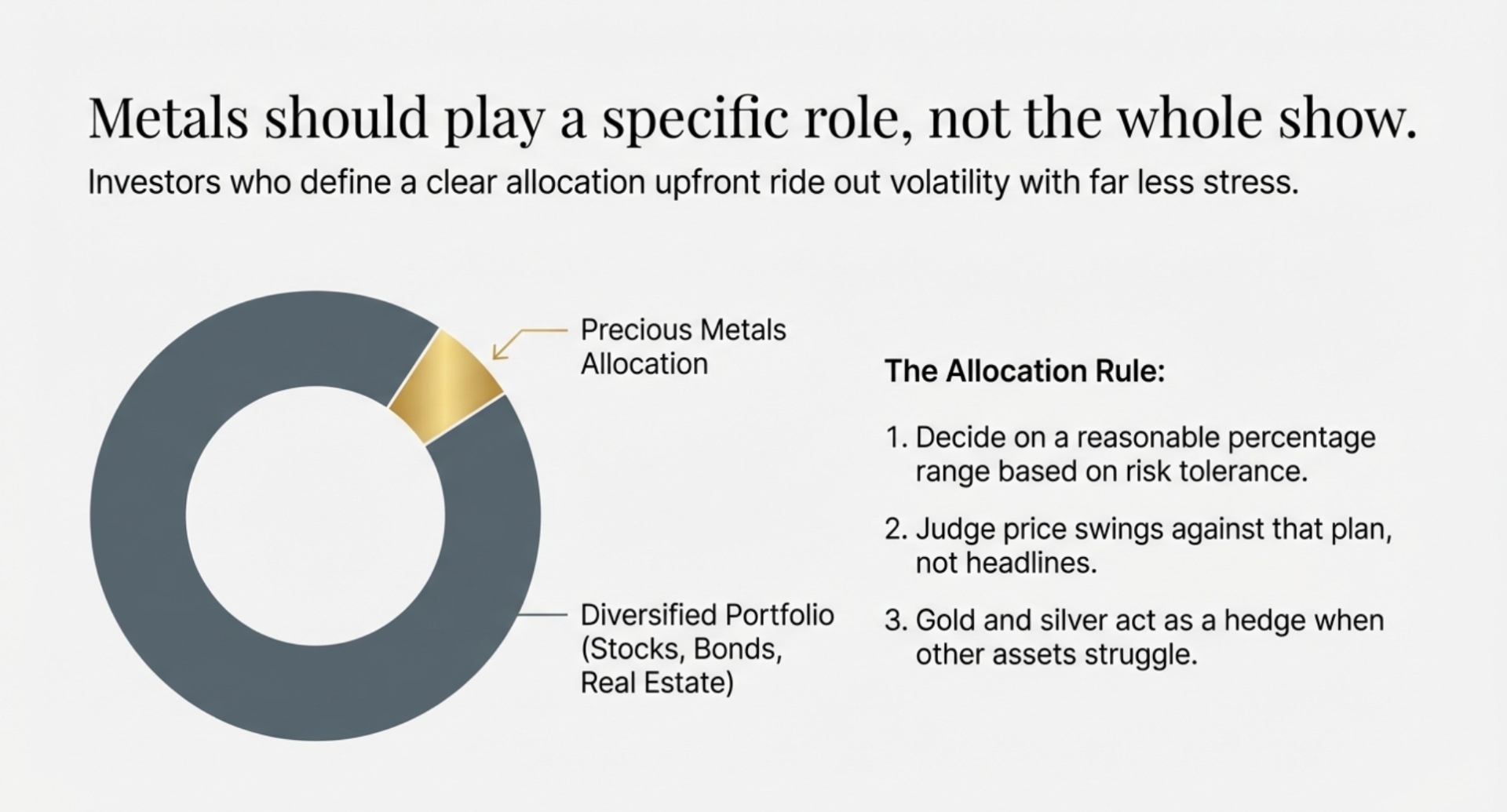
Many investors use gold and silver as a way to diversify, aiming for a modest portion of their overall holdings rather than trying to time big “all‑in” entries and exits. The idea is that metals can sometimes hold value or rise when other parts of the portfolio struggle.
The right percentage depends on your risk tolerance, time horizon, and overall financial picture. The important thing is to decide on a reasonable range you are comfortable with and then judge price swings against that plan, rather than letting every move dictate your decisions.
In our experience working with long‑term precious metals investors, those who define a clear role and rough allocation for metals upfront tend to ride out volatility with far less stress than those who buy or sell purely on headlines.
Time Horizon: Years, Not Months
For physical owners, gold and silver make the most sense on a multi‑year or multi‑decade horizon. Short‑term volatility will always be part of the picture, but over longer periods, major trends in inflation, real rates, and currency confidence tend to matter more than any single spike or drop.
An investor who buys at a short‑term high and sells at the first correction will almost always feel burned. By contrast, someone who understands that metals go through bull and bear cycles—and holds through those swings as part of a broader plan—has a better chance of benefiting from their long‑term role.
For larger holdings, secure storage becomes just as important as what you buy.
Three Common Reactions to Price Swings – And Which One Actually Helps
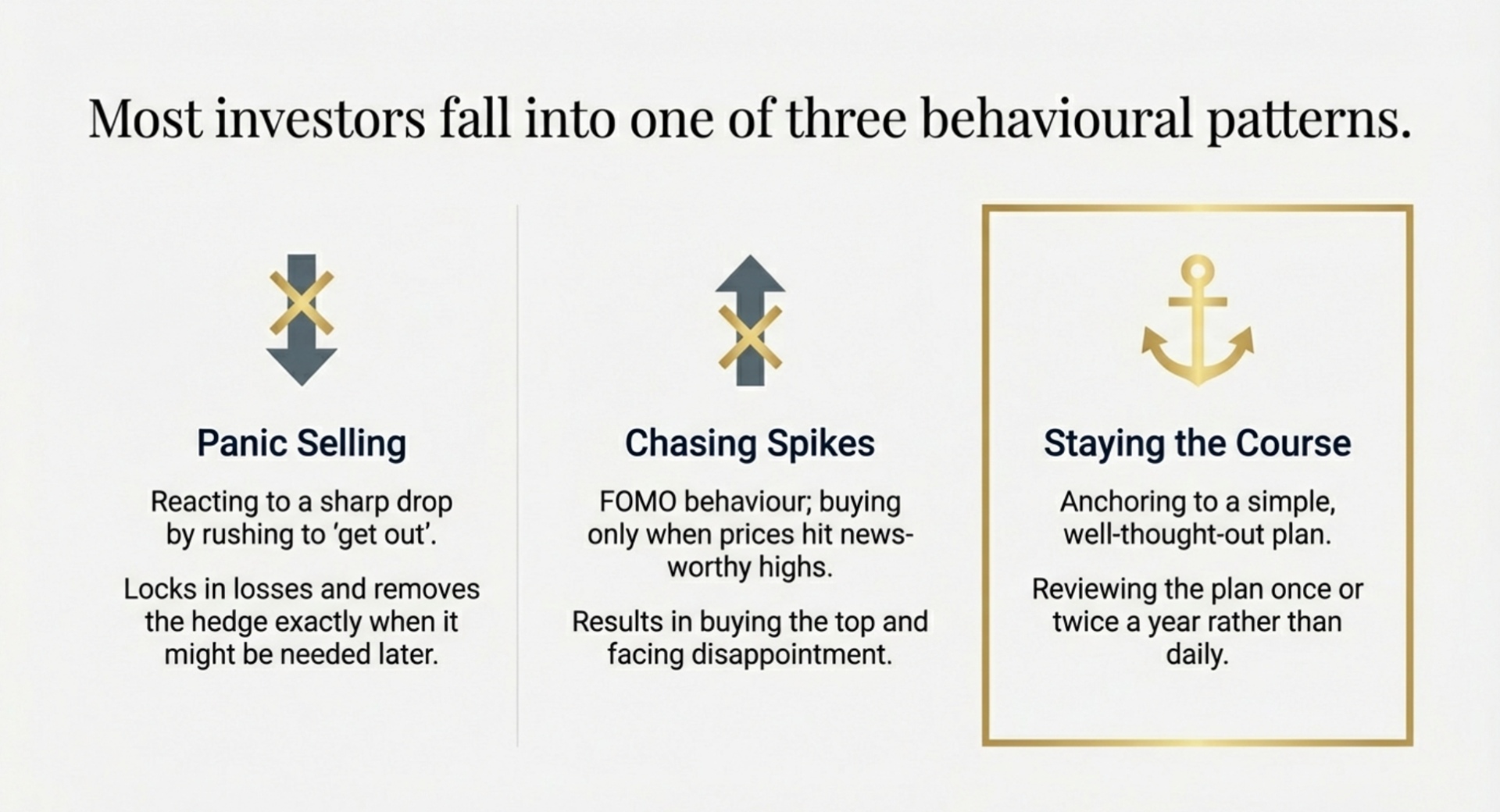
When gold and silver prices move sharply, most investors fall into one of three behavioral patterns. Only one of them consistently supports long‑term success.
Panic Selling After a Drop
The first reaction is panic selling: seeing a sharp decline and rushing to “get out” before things get worse. This often locks in losses at exactly the wrong time and leaves investors without the hedge they originally wanted.
Instead of defaulting to “sell everything,” a more disciplined approach is to step back and ask: Has my long‑term goal changed? Has my overall portfolio changed in a major way? Or is this just another normal price swing in a volatile asset?
If you are thinking about selling, it can help to compare your options locally before you decide.
Chasing Spikes and Buying Only When Prices Are in the News
The second common reaction is chasing headlines—buying metals mainly when they are all over the news for hitting new highs. This kind of FOMO behavior often leads to paying peak prices and then being disappointed when the inevitable pullback comes.
A healthier approach is to recognize that volatility is normal and avoid letting hype drive your timing. Regular, smaller purchases or disciplined buying during moderate pullbacks can be more effective than piling in only when prices are soaring.
Staying the Course With a Simple Plan
The third, and most constructive, reaction is to stay anchored to a simple, well‑thought‑out plan. That might mean holding a target range for gold and silver in your portfolio and rebalancing occasionally, instead of reacting to every move.
In our experience working with long‑term precious metals investors, those who review their plan once or twice a year—rather than every time prices move—are far less likely to make emotional, poorly timed decisions.
Practical Tips for Dealing With Gold and Silver Volatility
To make volatility more manageable, it helps to translate the big ideas into a few clear practices.
Set a Clear Reason for Owning Metals
Before worrying about charts, decide what role gold and silver are supposed to play for you: inflation hedge, emergency reserve, long‑term store of value, legacy asset for heirs, or a mix of these. When that purpose is clear, it is easier to see price swings in context instead of as a constant threat.
If your goal is long‑term, short‑term price moves matter less than whether the metals are still serving that purpose within the rest of your financial life.
Focus on Premiums, Not Only Spot Price
If you own or plan to own physical coins and bullion, spot price is just part of the story. Premiums—the extra amount above spot you pay for a particular coin or bar—can widen or narrow depending on demand, supply, and product type.
A reputable dealer should be willing to explain how premiums work, what affects them, and how their buy‑back terms apply to different products. That information can matter more to your long‑term outcome than a single day’s spot price move.
Work With a Dealer Who Explains Volatility Calmly
How your dealer talks about volatility is itself a clue. A reputable local gold and silver dealer should help you understand price swings and how they relate to your goals, not use every move as pressure to “act now.”
If someone avoids explaining premiums, refuses to discuss risks, or constantly frames volatility as a reason to rush into big trades, that is a red flag. Look for a dealer who is willing to have patient, educational conversations about how metals fit into a long‑term plan.
Should Long‑Term Investors Worry About Short‑Term Drops?
Daily and weekly price moves in gold and silver can be dramatic, but they are not, by themselves, a good reason for long‑term investors to change course. The real questions are whether your broader financial goals or risk tolerance have changed, and whether your metals still play the role you assigned them.
Short‑term drops can sometimes be opportunities to rebalance or add gradually, but only if those actions are consistent with a plan you set when emotions were calmer. Reacting to every swing is a recipe for frustration; responding thoughtfully to genuine life or portfolio changes is more productive.
When Does It Make Sense to Adjust Your Gold and Silver Holdings?
Not every price swing requires action. Many long‑term investors find that they only need to reassess their gold and silver holdings at specific turning points in their lives or portfolios.
Life Changes, Not Just Price Changes
Major life events—such as retirement, selling a business, receiving an inheritance, or big changes in income—can be natural times to review how much gold and silver you hold. Those moments may change your risk tolerance, liquidity needs, or time horizon.
By contrast, a typical multi‑week price rally or correction, on its own, is rarely a good reason to tear up a well‑designed plan. It may be a reason to rebalance gently, but not to let emotions dictate drastic moves.
Talk to a Local Expert Before Making Big Moves
If you are considering a significant buy or sell decision because of recent price action, it can be wise to talk it through with a local precious metals expert first. They can help you understand market conditions, current premiums, and your options for adjusting your holdings in stages instead of all at once.
This kind of conversation can also surface practical details—like tax considerations, product selection, and storage choices—that are easy to overlook when you are focused on the latest price chart.
Key Takeaway for Long‑Term Investors
Volatility is not a signal to act—it is the normal cost of holding precious metals. Once you accept that price swings are built into how gold and silver markets work, it becomes much easier to focus on your goals, your time horizon, and the quality of the decisions you make, rather than on every move in the chart.
Ready to Think Long Term About Gold and Silver? Next Steps
Gold and silver price volatility can be unnerving, but it does not have to be a reason to avoid these assets altogether. Once you understand what drives price swings and how they fit into a long‑term strategy, volatility becomes something you manage, not something you fear.
If you are ready to review how gold and silver fit into your own plan, your next step is simple: talk to a trusted precious metals dealer about your goals, time horizon, and comfort level with risk. From there, you can decide whether to start, add to, or fine‑tune your holdings in a way that matches your long‑term objectives.
Frequently Asked Questions
Q: Why do gold prices go up and down so much?
A: Gold prices move because investors constantly update their expectations about inflation, interest rates, the strength of the US dollar, and overall market risk. Short‑term news and sentiment amplify those moves, creating the frequent spikes and dips you see.
Q: Why are gold and silver prices so volatile compared to other assets?
A: Gold and silver reflect both macroeconomic forces and investor emotion, and silver also responds to industrial demand. That combination means they can move quickly when data, interest‑rate expectations, or risk sentiment shift.
Q: What are the main factors that affect gold and silver prices?
A: Key drivers include real and expected interest rates, inflation trends, currency movements (especially the US dollar), central bank policy, geopolitical events, and changes in investor and industrial demand.
Q: How often do gold and silver prices change?
A: Gold and silver trade nearly around the clock on global markets, so prices can change minute by minute on weekdays. For long‑term physical investors, it is often more useful to focus on broader trends—monthly and yearly moves—rather than checking intraday fluctuations.
Q: Should long‑term investors worry about daily price swings in gold and silver?
A: Daily price swings are normal and expected in precious metals markets. Long‑term investors should focus on whether metals still serve their intended role in a diversified portfolio, not on short‑term noise.
Q: Is gold still a safe investment over the long term despite volatility?
A: No investment is risk‑free, but gold has a long history as a store of value and a hedge in certain inflationary or crisis periods. Volatility does not negate that role; it simply means that prices can deviate significantly from year to year along the way.
Q: How can I manage gold and silver price volatility in my own portfolio?
A: You can manage volatility by defining a clear reason for owning metals, limiting them to a sensible portion of your overall portfolio, spreading purchases over time, and working with a dealer who explains risks and pricing transparently. Periodic reviews—especially around life changes—can help you adjust without reacting impulsively to every market move.