Walking into a gold and silver shop for the first time can feel intimidating, especially if you are not sure what actually happens once you step through the door. This guide walks you through the local gold buyer process in plain language—whether you are selling gold jewelry or buying coins—so you know exactly what to expect before your first visit.
Key Takeaways
- Visiting a gold and silver shop is a structured, transparent process when you choose a reputable local buyer.
- Selling gold involves evaluation, testing, and a clear offer based on weight, purity, and current market pricing.
- Buying bullion means understanding spot price, premiums, and your own goals before choosing coins or bars.
Why Do People Visit a Gold and Silver Shop for the First Time?
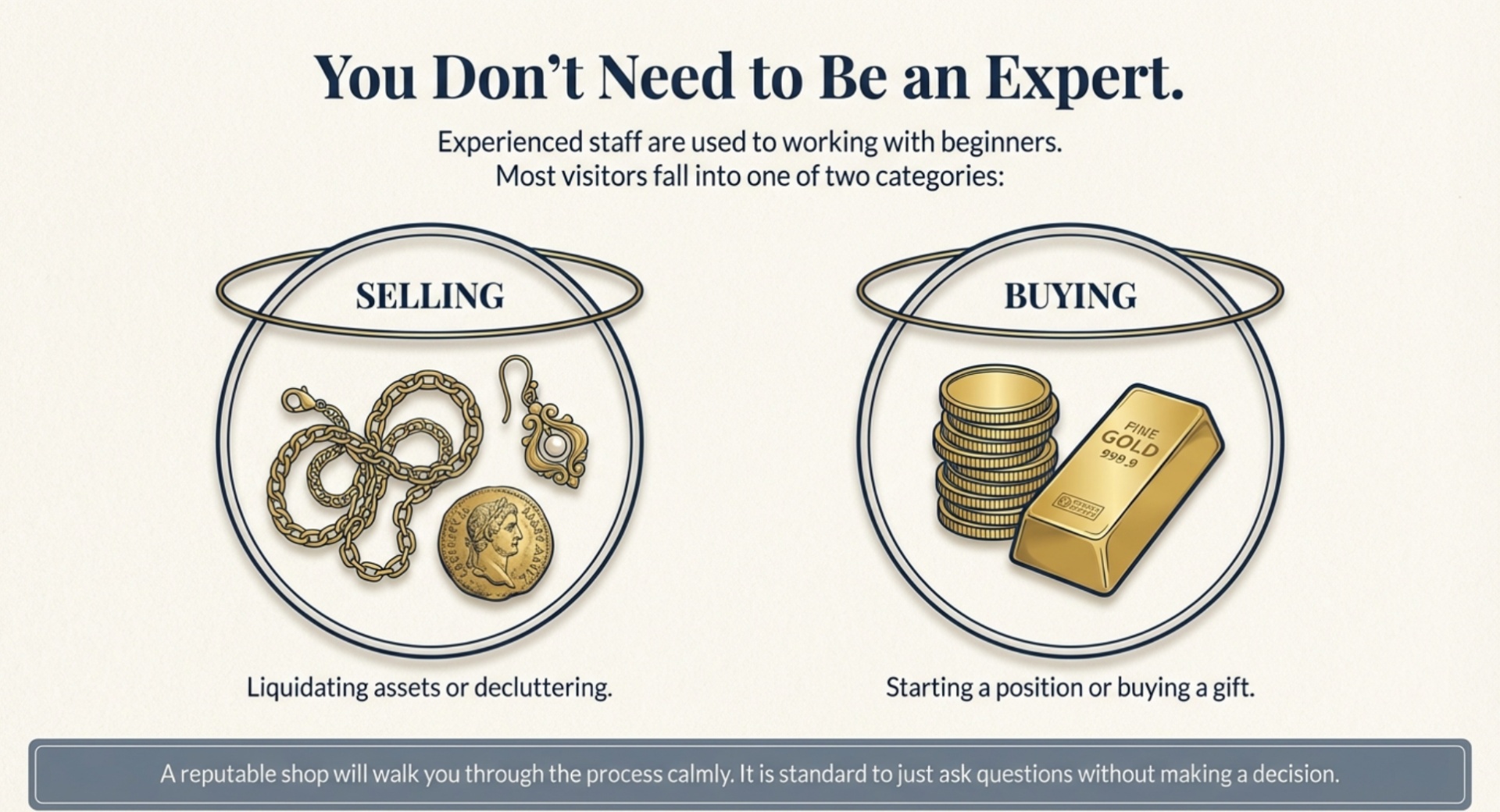
Most first‑time visitors come in for one of two reasons: they want to sell gold or silver they already own, or they are thinking about buying gold or silver for the first time. That might mean old jewelry, inherited coins, or scrap pieces they never wear, or it might mean starting a small position in bullion coins or bars.
You do not have to be an experienced investor or collector. A good coin shop is used to working with complete beginners and will walk you through each step of the process calmly and clearly.
What’s the Difference Between First‑Time Sellers and First‑Time Buyers?
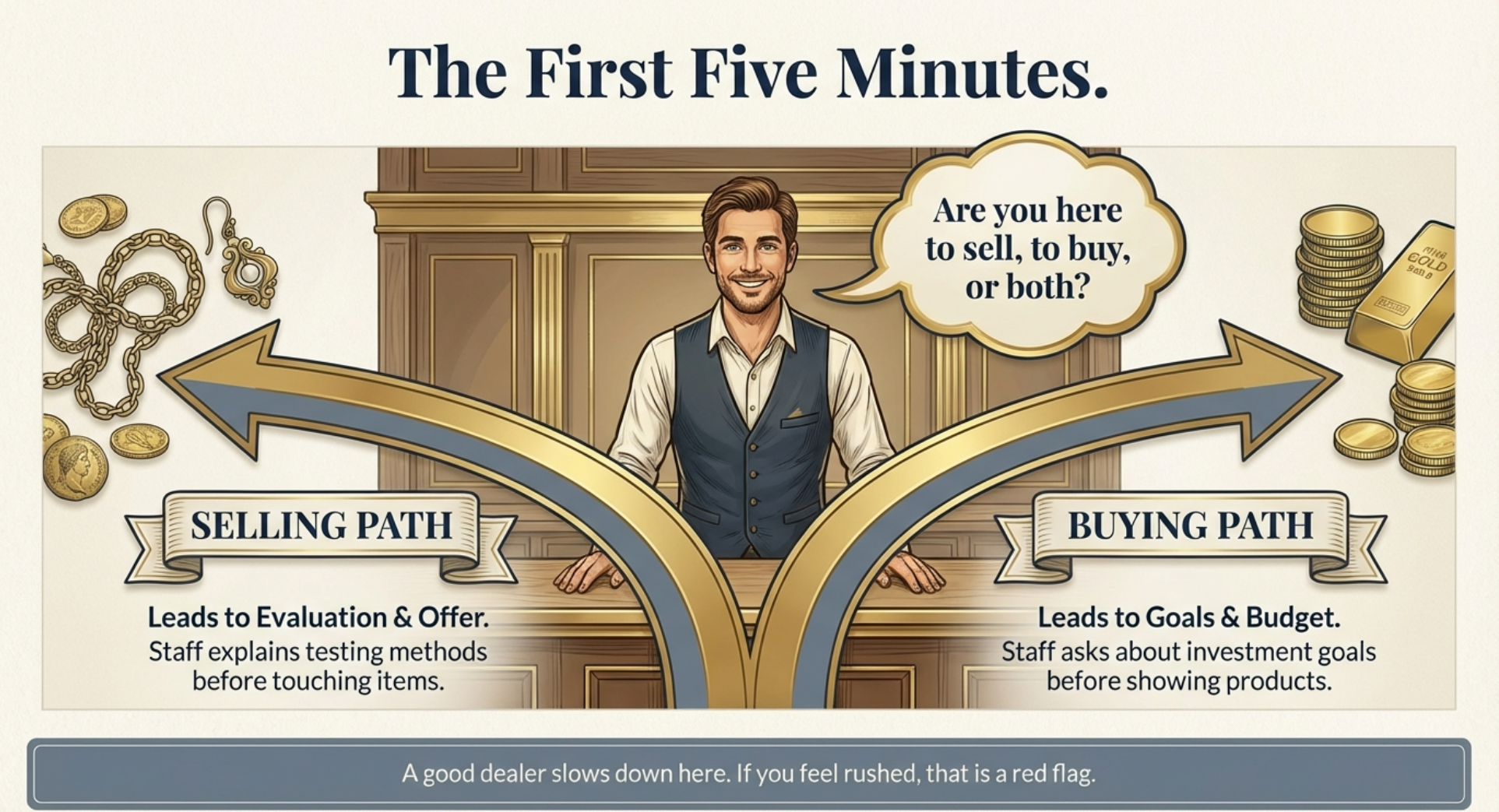
On your first visit, staff usually start with a simple question: “Are you here to sell, to buy, or both?” From there, the flow looks slightly different:
- First‑time selling gold: You go through an evaluation and offer process for your items.
- First‑time buying gold and silver: You talk about your goals and budget, look at options, and review pricing.
You can also just come in to ask questions and see how things work without making any decision that day.
What Happens When You Arrive at a Gold Shop?
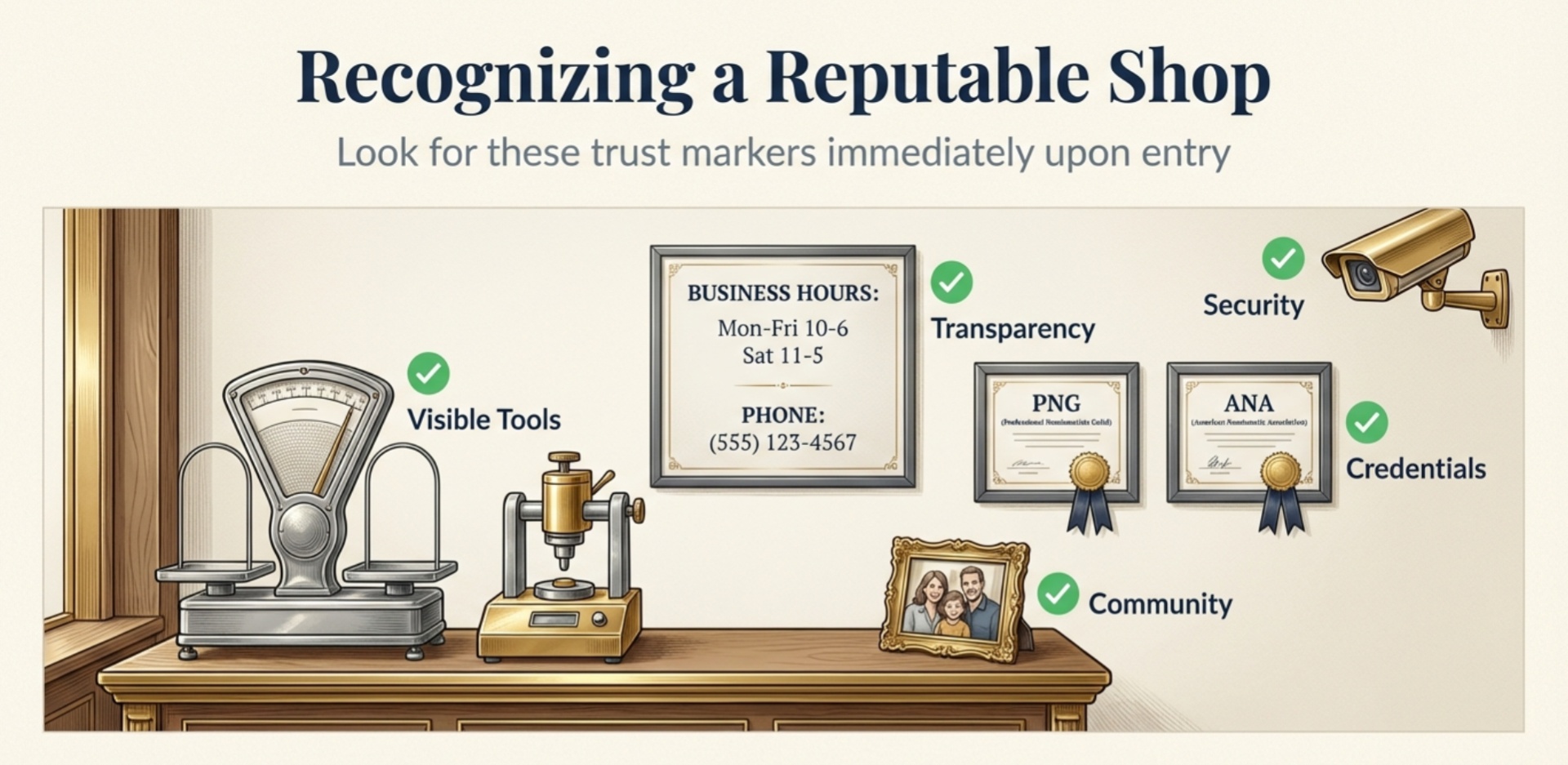
When you visit a gold shop, the process usually starts the same way: you walk in, you are greeted, and staff ask what brought you in that day. You may see display cases with coins and bars, a counter area for evaluations, visible scales, and sometimes security cameras or signage that show the shop takes safety seriously.
A reputable gold and silver shop will also display basic credentials and trust markers—such as memberships, licenses, or awards—alongside printed hours and clear contact information. These are all signs that you are dealing with a professional local gold buyer and not a fly‑by‑night operation.
Local, family‑owned dealers with a long track record often highlight their history and community roots as well.
How Do Good Coin Shops Treat First‑Time Visitors?
When you tell staff it is your first time, they should slow down and explain how the visit will work before they touch your items or show you products. For sellers, that means a quick overview of how your gold will be tested and how offers are calculated; for buyers, it means a quick outline of how they will discuss your budget and show you options.
Many shops have a counter area for simple transactions and a slightly more private space for larger or more complex evaluations. In either case, you should feel comfortable asking questions at any point instead of feeling rushed.
How Does the Local Gold Buyer Process Work for Sellers?
If you are a first‑time seller, the local gold buyer process is more structured than you might think. You bring your items in, the buyer evaluates them in front of you, explains what they see, and then makes an offer based on current gold or silver prices.
How Are Your Gold Jewelry, Coins or Bullion Evaluated?
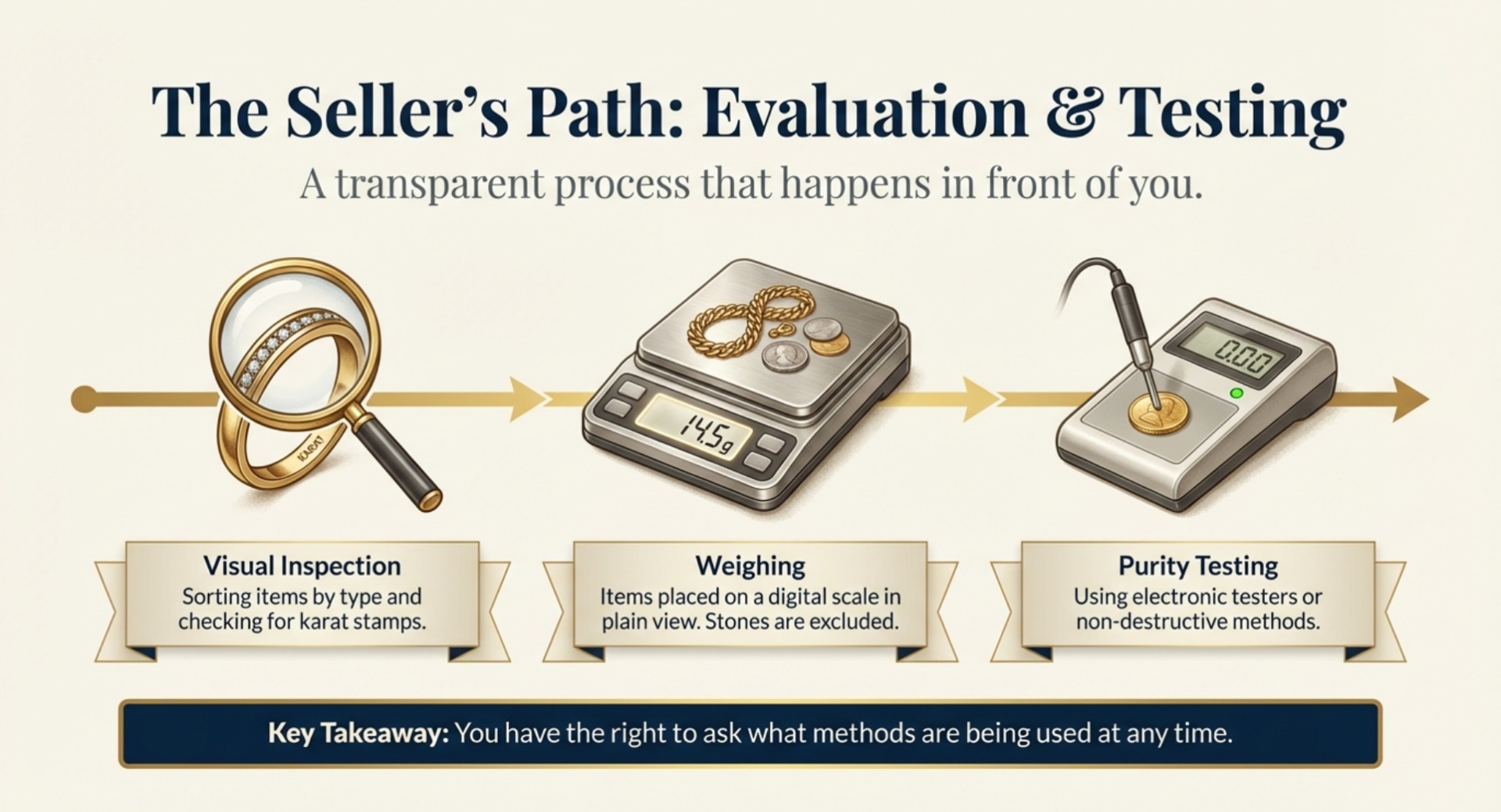
The evaluation usually starts with a visual inspection. Staff will separate your items by type (jewelry, coins, bullion), look for karat stamps and mint marks, and remove any obviously non‑metal components (like stones or clasps) from the value calculation.
Next, they weigh your items on a digital scale and, if needed, test the purity. Common methods include checking stamps, using electronic testers, or using non‑destructive methods to verify the gold content. A reputable local buyer performs these tests in front of you and tells you what they are doing.
How Is the Offer Calculated and Explained?
Once they know the weight and purity, the shop calculates an offer based on current market prices, minus their costs and margin. Most local buyers base their offer on the melt value of the gold or silver, adjusted for the business’s overhead and risk.
In practice, that often means you receive a percentage of the underlying metal value, which is standard because the buyer will later refine or resell the material. A good buyer will explain where their offer comes from in plain language and give you a clear number to consider.
What Happens If You Accept or Decline?
If you accept the offer, you will usually show ID, sign a brief receipt or purchase form, and choose a payment method. Many local buyers pay on the spot in cash or by check, and some offer same‑day electronic payments for larger amounts.
If you decide not to sell, you should be able to decline politely and walk out with your items. Reputable shops will not pressure you into accepting or make you feel guilty for saying “no thanks.”
In short: When you sell gold at a reputable shop, your items are evaluated in front of you, a clear offer is made based on weight and purity, and you decide whether to accept without pressure.
Common Mistakes First‑Time Sellers Make
First‑time selling gold is straightforward, but there are a few common mistakes that can cost you money or peace of mind.
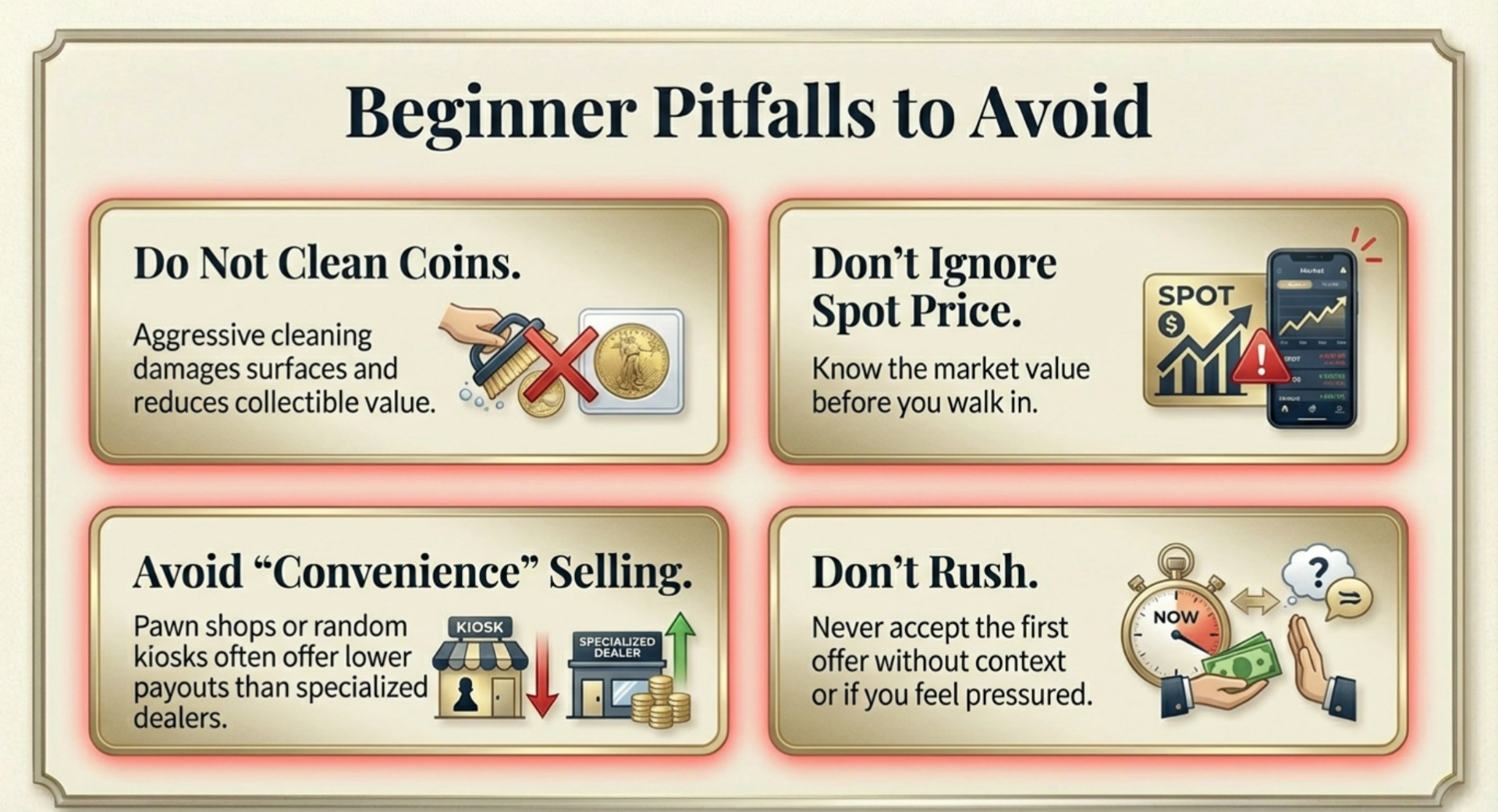
- Accepting the first offer without comparison: Some sellers take the first number they hear without checking whether it is competitive.
- Not checking current gold prices: Going in with zero sense of market value makes it hard to judge fairness.
- Cleaning or polishing coins aggressively: Over‑cleaning coins can damage surfaces and reduce collectible value.
- Selling to the most convenient buyer, not the best: Choosing a pawn shop or random kiosk purely for convenience can mean lower payouts.
A little preparation—checking prices, reading reviews, and visiting a well‑reviewed local gold buyer—helps you avoid these traps. A well‑reviewed local gold buyer can walk you through each step so you avoid these mistakes.
For a deeper look at how offers are calculated and how to compare buyers, see our full guide to getting the best cash for gold in Amarillo.
How Does the Buying Process Work for Gold and Silver?
If you are visiting a gold and silver shop as a first‑time buyer, the experience is more like a guided shopping conversation than a high‑pressure sales pitch. Staff will ask a few simple questions and then show you items that fit what you are trying to do.
How Do You Talk Through Your Goals and Budget?
A good dealer will start by asking what you are looking for and how much you are comfortable spending. Are you trying to invest a set amount, buy a meaningful gift, or just get your feet wet with a small purchase?
Your answers help them recommend whether gold, silver, or a mix makes sense, and whether you should start with coins, bars, or both. This is also the moment to mention if you prefer certain sizes (like one‑ounce pieces) or specific products.
What Is It Like to Look at Gold and Silver Products in Person?
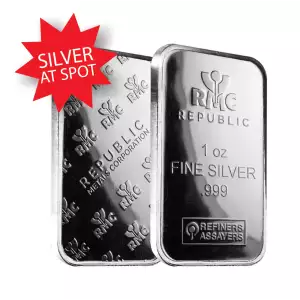
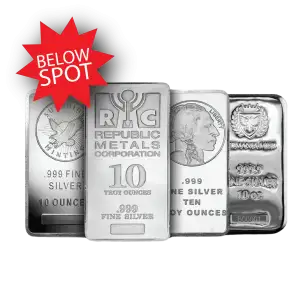
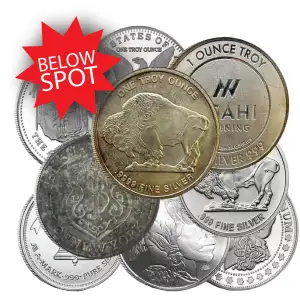
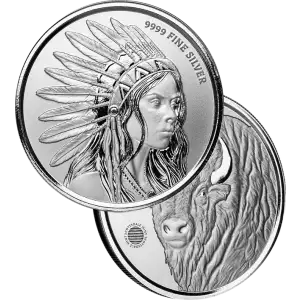
Next, you will typically be shown a range of gold and silver products, often starting with popular bullion coins and small bars. You may see well‑known gold and silver coins in the cases and be able to look at boxed or capsule‑protected pieces more closely.
Staff should point out key details on each product: metal type, weight, purity, and how it is priced relative to the market. This is your chance to compare how different options look and feel in your hand before you decide.
In short: When you buy bullion in person, you talk about your goals, look at real coins and bars, and choose products with clear pricing and simple explanations from a human expert.
How Does Gold Pricing Work Long‑Term?
Gold pricing over the long term is shaped by more than just the day’s headlines. While the spot price changes minute by minute, the long‑term value of gold reflects years of inflation, interest‑rate trends, currency strength, and investor demand.
In calm periods, gold prices may move slowly or even drift sideways, while in times of financial stress or rising inflation, demand can increase and prices can climb. Volatility is part of how gold behaves: prices can swing in both directions over months or years, even when the long‑term role of gold as a store of value remains intact.
What Is the Difference Between Spot Price and Premium?
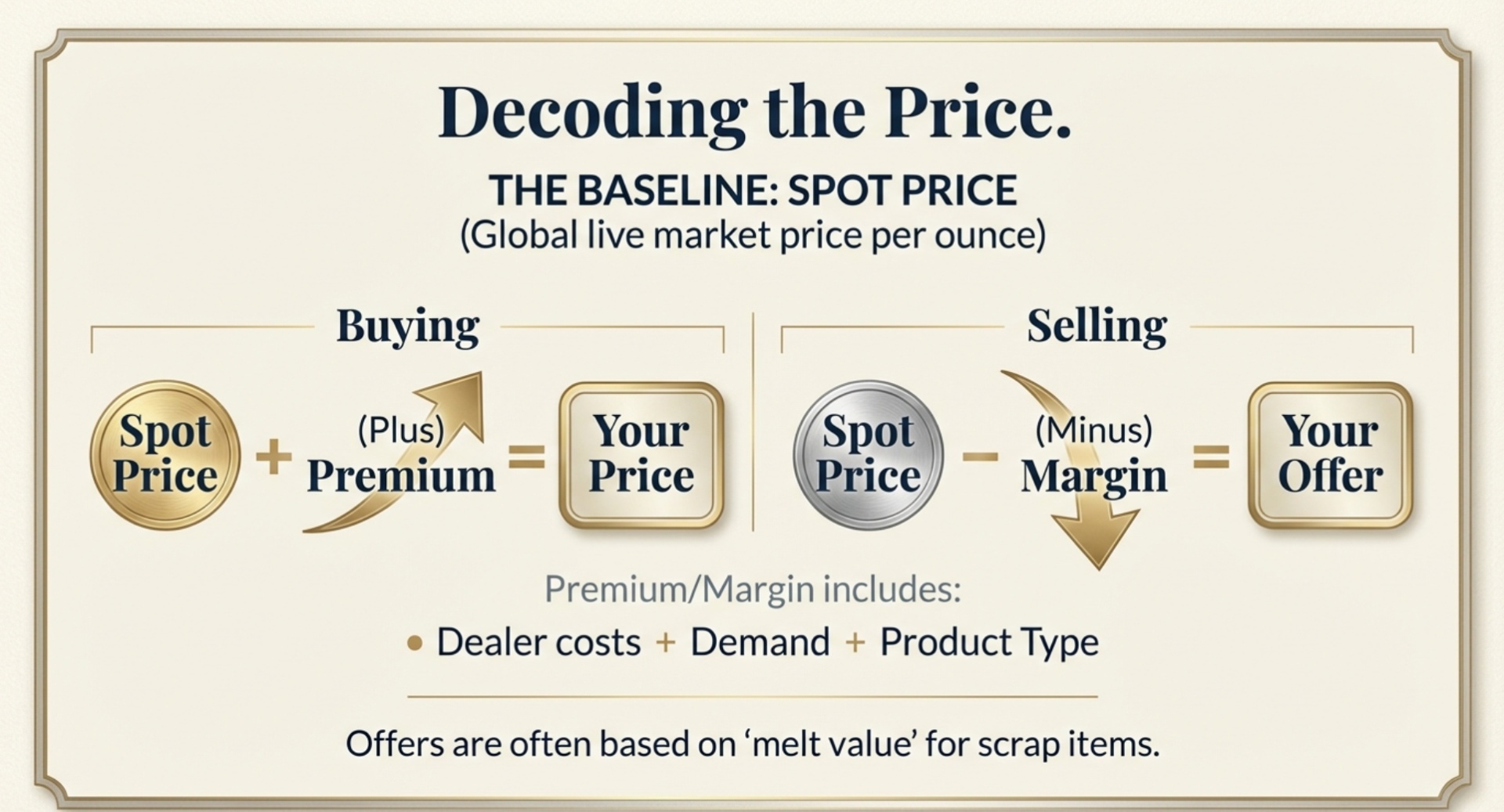
When you buy or sell gold and silver, there are two key numbers:
- Spot price: The live market price of the metal per ounce, set in global markets.
- Premium (or discount): The amount above (for buying) or below (for selling) spot that reflects product type, dealer costs, and demand.
Understanding both helps you judge whether a quote or list price is reasonable and how it compares to other offers.
In short: Gold’s long‑term price reflects big economic forces, while spot plus premium determine what you actually pay or receive on any given day at the shop counter.
How Does Gold and Silver Volatility Affect Your Visit?
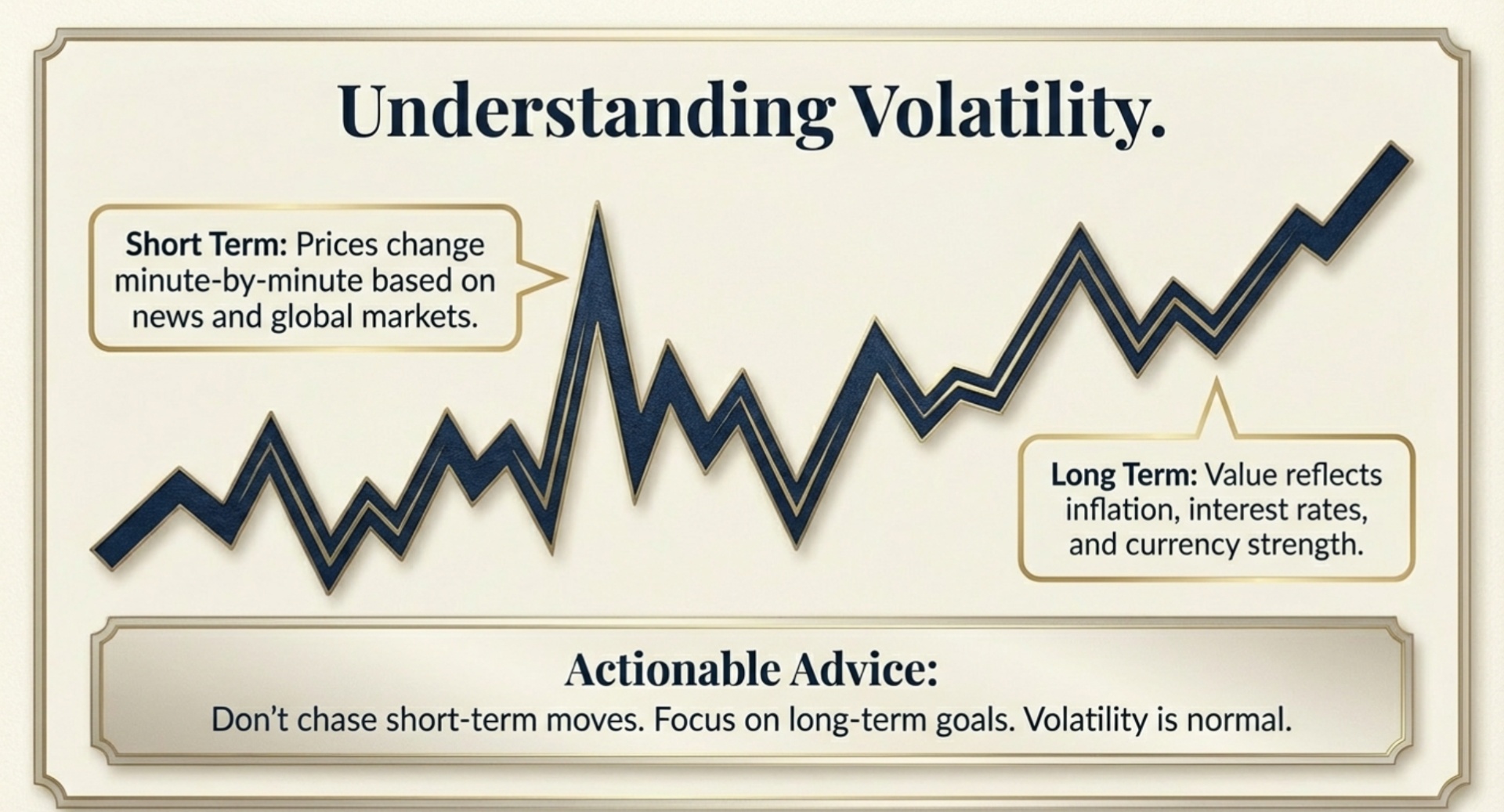
Gold and silver are volatile assets, which means their prices can move up or down sharply over short periods. You might visit on a day when prices are rising and offers and list prices are a bit higher, or on a day when prices have dipped and numbers are slightly lower.
That volatility does not change the basic process at a reputable shop. A professional buyer or seller will still evaluate your items carefully, explain how prices are set that day, and encourage you to make decisions based on your goals rather than chasing every short‑term move.
Comparison Table: Selling vs Buying and Spot vs Premium
| Aspect | Selling Gold and Silver | Buying Gold and Silver |
|---|---|---|
| Main goal | Turn items into cash or trade‑in value | Convert cash into bullion coins or bars |
| Key price reference | Spot price minus buyer’s margin | Spot price plus product premium |
| What you bring | Jewelry, coins, bullion, ID | Payment method, ID for larger purchases |
| Process steps | Evaluate, test, weigh, quote, decide | Discuss goals, view products, quote, decide |
| Typical outcome | Cash or check and a receipt | Coins or bars in hand, receipt, storage plan |
| What can affect the number | Purity, weight, condition, market demand | Product type, brand, demand, inventory |
This table shows how the local gold buyer process differs when you are on the selling side versus the buying side, and how spot price and premiums play into each.
What Paperwork, ID and Security Should You Expect?
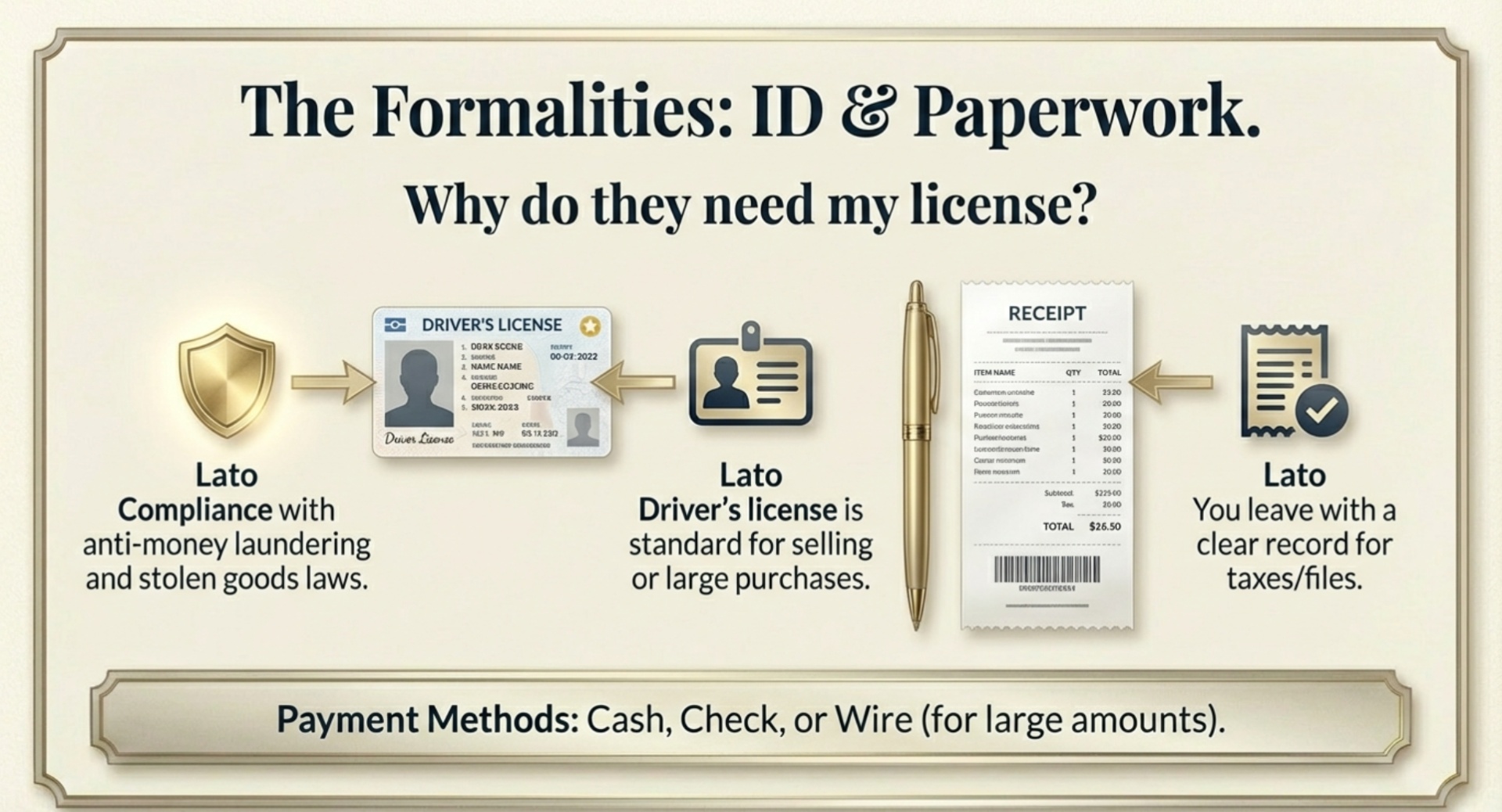
Whether you are selling or buying, there are a few basic formalities you should expect from any professional gold and silver dealer.
When Will You Be Asked for ID?
For many transactions—especially when you are selling gold or when amounts are larger—shops are required to verify your identity. This is normal, and it is part of complying with rules designed to prevent stolen goods from being sold.
Expect to show a driver’s license or similar ID and to have basic details noted on the transaction receipt. If you are unsure why your ID is needed, you can always ask; staff should be able to explain the requirement.
How Long Does a Visit Usually Take?
The length of a visit depends on how much you bring and what you are trying to do. A quick sale of a few pieces might take 15–30 minutes once you are at the counter, while evaluating a full jewelry box or walking through multiple buying options can take longer.
If you are on a tight schedule, just mention it when you arrive—staff can tell you whether they can get you done quickly or whether it is better to schedule a longer visit.
What Happens When You Leave: Cash, Bullion or Just Answers?
Every visit ends a little differently, and all of these outcomes are normal.
How Do You Get Paid When You Sell Gold Locally?
If you accept an offer to sell, you will complete any required paperwork and receive payment—often on the spot. Depending on the shop and the amount, that might be cash, a check, or a same‑day electronic payment.
You should leave with a clear receipt that shows what you sold and what you were paid, so you have a record for your own files or for tax purposes.
How Do You Take Your Gold and Silver Home Safely?
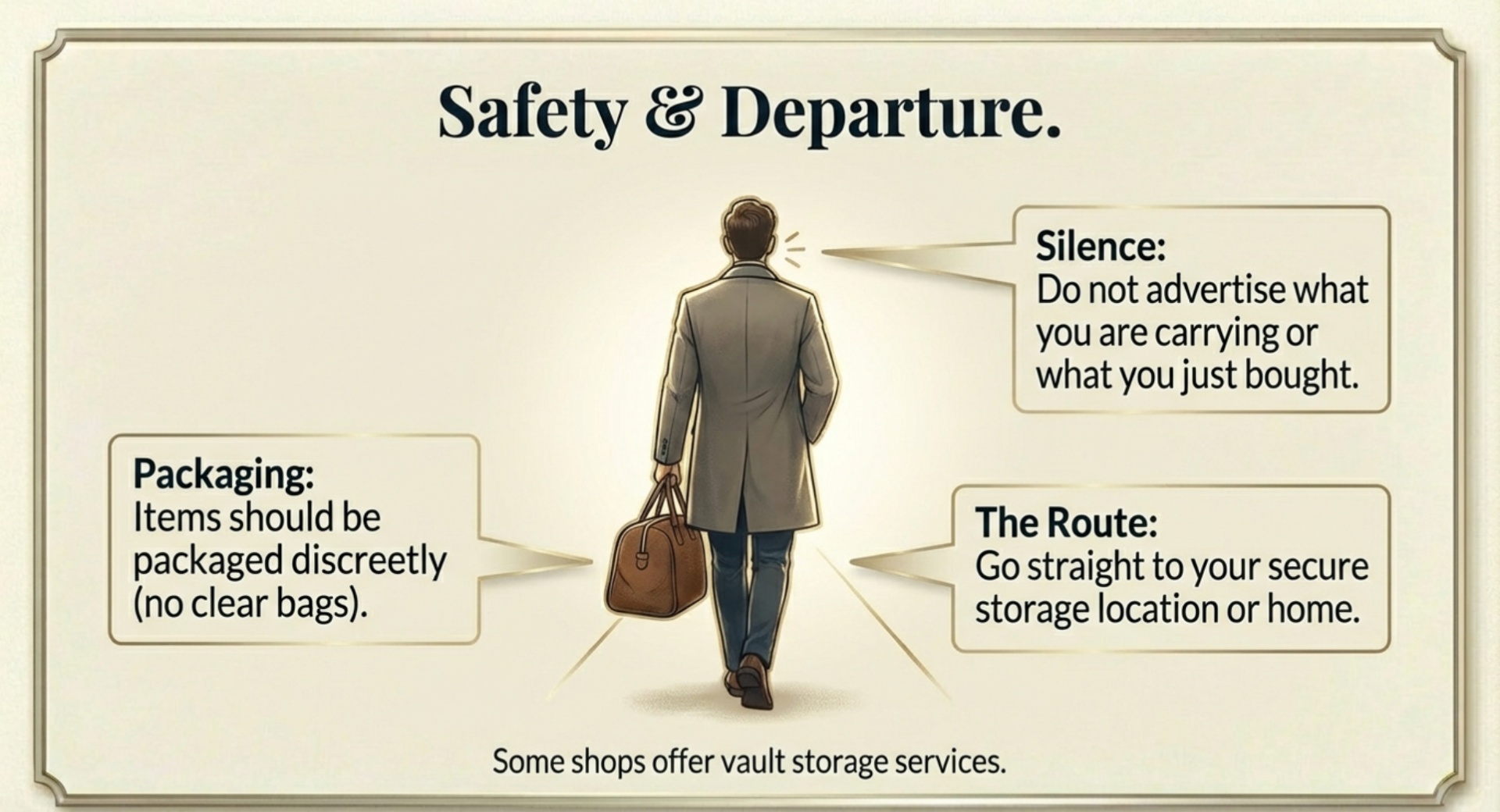
If you buy gold or silver, staff will package your items discreetly and hand them to you once payment is complete. From there, it is wise to go straight to your planned storage location and avoid advertising what you are carrying.
Some shops also offer secure vault or bullion storage services and can explain how those work if you prefer not to keep everything at home.
Quick Visit Checklist: Before You Visit a Gold Shop
Use this simple checklist before your first visit to a gold and silver shop:
- Decide whether you are primarily selling, buying, or just gathering information.
- If selling, gather your items neatly and avoid cleaning coins in ways that might damage them.
- Check recent Google reviews to confirm reputation and see how the shop treats first‑time visitors.
- Confirm hours and location on the website or by phone.
- Write down your key questions about pricing, testing, payment, and storage.
Frequently Asked Questions
What should I expect when I visit a gold and silver shop for the first time?
You can expect a friendly check‑in, a brief conversation about whether you are buying or selling, and a clear explanation of how your items will be evaluated or how products are priced before any money changes hands. A reputable shop will perform tests in front of you and welcome your questions.
How does a local gold buyer process work when I bring in jewelry or coins?
The buyer will separate your items, inspect them, weigh them on a digital scale, and test purity if needed, then calculate an offer based on current market prices, your items’ metal content, and the business’s costs. You can then choose to accept, decline, or think about it.
What should I bring with me when I sell gold for the first time?
Bring the gold items you want evaluated, a valid ID for legal and security requirements, and any documentation you may have (such as previous appraisals or certificates). It also helps to bring a short list of questions about how offers are calculated and how you will be paid.
Will the dealer test my gold and silver in front of me?
Professional local gold buyers typically evaluate and test your items in view of the customer, using scales and testing tools at or near the counter. If testing is done out of sight, you have the right to ask what methods are being used and to request a clear explanation.
How long does a typical visit to a coin shop take?
A simple visit with a few items or a small purchase may take 15–30 minutes, while evaluating many pieces or discussing multiple buying options can take longer. If time is a concern, ask staff for an estimate when you arrive.
Do I have to sell or buy something on my first visit, or can I just ask questions?
You are not required to sell or buy anything on your first visit. Many reputable coin shops are happy to answer questions, explain the process, and give you a sense of how things work so you can decide later.
How can I avoid getting lowballed when I sell gold locally?
To avoid unfairly low offers, check current gold prices before you go, visit a well‑reviewed local gold buyer, and feel free to compare offers if you are unsure. A transparent buyer will explain how they arrived at the number and will not pressure you to accept on the spot.
If you are ready to see how this process works in real life, visit a trusted local gold and silver shop like Stout Gold & Silver or call ahead to schedule a no‑pressure first visit.