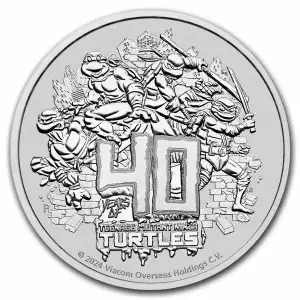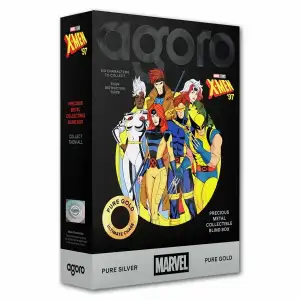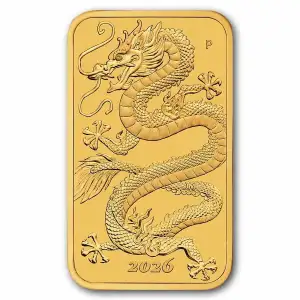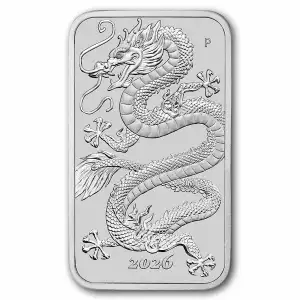
A finish is the way a coin's surface was made: polished, frosted, darkened, printed or struck in deep relief. It does not change how much silver or gold the coin contains. A one-ounce .999 silver coin holds one troy ounce of silver whether it is a plain bullion strike or a colorized proof in a display box. What the finish changes is the cost of making the coin, the premium you pay over metal, how carefully it has to be handled, and how it is priced when you sell it.
This guide explains the finishes you will see on bullion and collector coins, what each one actually is, and what it means for value. If you only need the short version, the comparison table further down sets them side by side.
Bullion and BU: the baseline finish
A bullion finish is the standard, high-volume strike a mint uses for coins sold on their metal content. Dealers often label it BU, short for brilliant uncirculated, and product listings, including ours, use "BU" to separate the plain version of a design from its proof or colorized versions. Bullion strikes are priced closest to the metal they contain, and small marks from production and packing are normal on them.
Do not confuse BU with the US Mint's own "uncirculated" collector coins. The Mint's glossary says those are struck on specially burnished blanks, which gives them a soft, matte-like look, and they are sold with a certificate of authenticity. A burnished American Silver Eagle and a bullion American Silver Eagle are different products with different premiums, even though both contain the same ounce of silver.
Proof: polished dies, mirror fields
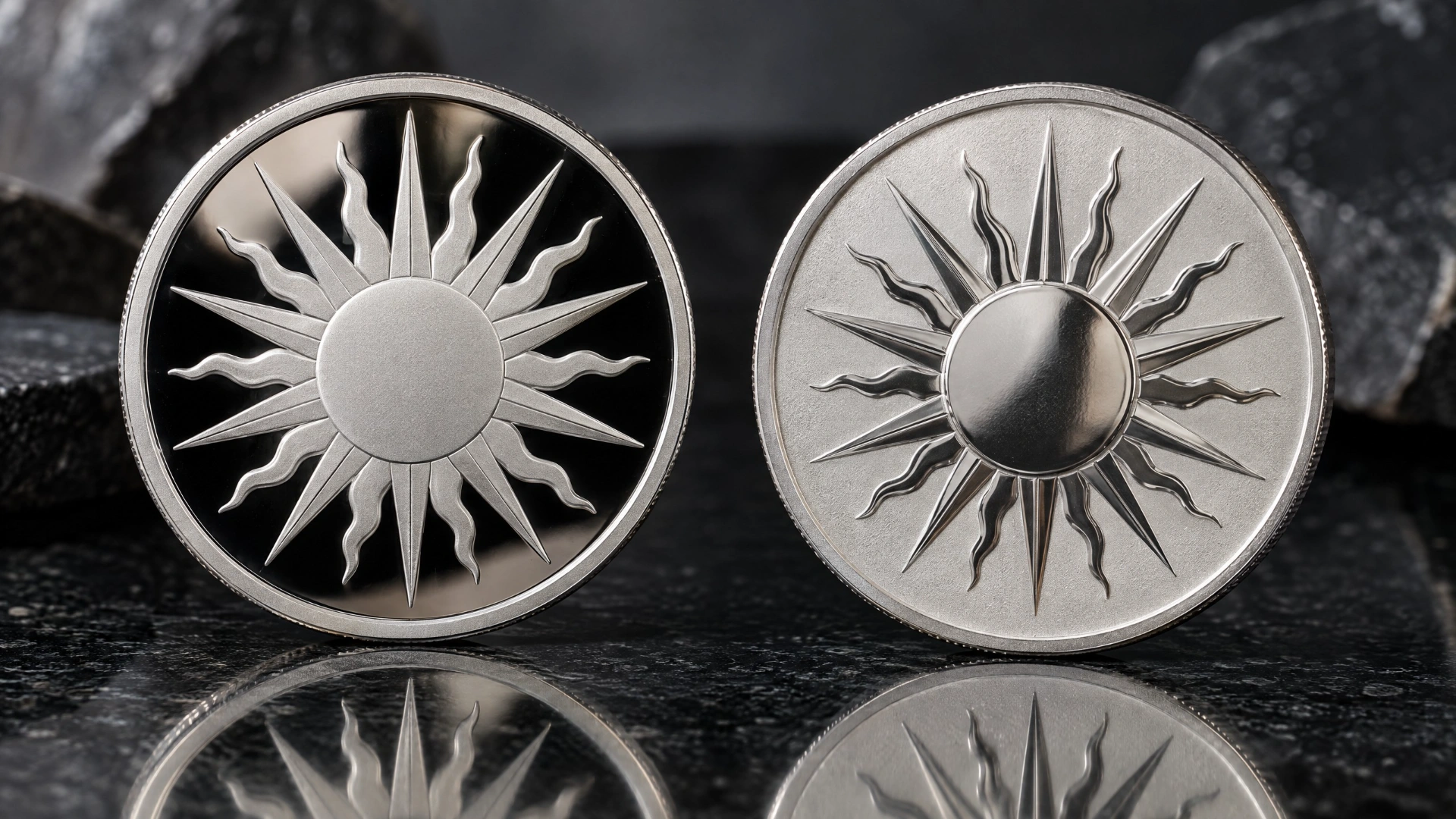
A proof coin is a special strike made from highly polished planchets and dies, according to the US Mint's coin term glossary, which adds that proofs are often struck more than once. The result is a mirror-like background with frosted design elements. The planchet is the prepared metal disc the coin is struck on, and the field is the flat background around the design.
The extra preparation and striking are where the premium comes from. They are also why proofs are unforgiving: PCGS's handling guidance warns that even the slightest rub can leave hairlines on a proof surface, and that touching the face of a coin is likely to leave a permanent mark. Our guide to coin capsules, flips, tubes and albums covers how to hold and store them.
Reverse proof vs proof: the inverted finish
A reverse proof is the proof finish turned inside out. The US Mint describes it as a frosted background with a mirror-like design, where a standard proof has a mirror background and a frosted design. Its glossary calls this an "inverted" proof finish and says each reverse proof coin is struck at least twice.
Writing for PCGS in 2022, Joshua McMorrow-Hernandez explained how reverse proofs are made. He notes that proof dies were historically treated with acid to frost the devices, the design elements, while the fields were polished, and that a computer-aided laser now textures proof dies, so minters can frost the fields and polish the devices instead. He dates the US Mint's first reverse proofs to 2006; you can read his explanation of how reverse proofs are made on the PCGS site.
The Mint also uses an enhanced reverse proof finish on select products. Its glossary describes the same frosted background as a reverse proof, with several polished and frosted finishes applied to different parts of the design, and cites a 2019 release. Whatever the variant, the metal content is unchanged; the difference is in the dies and the striking.
Antiqued: darkened recesses, raised highlights
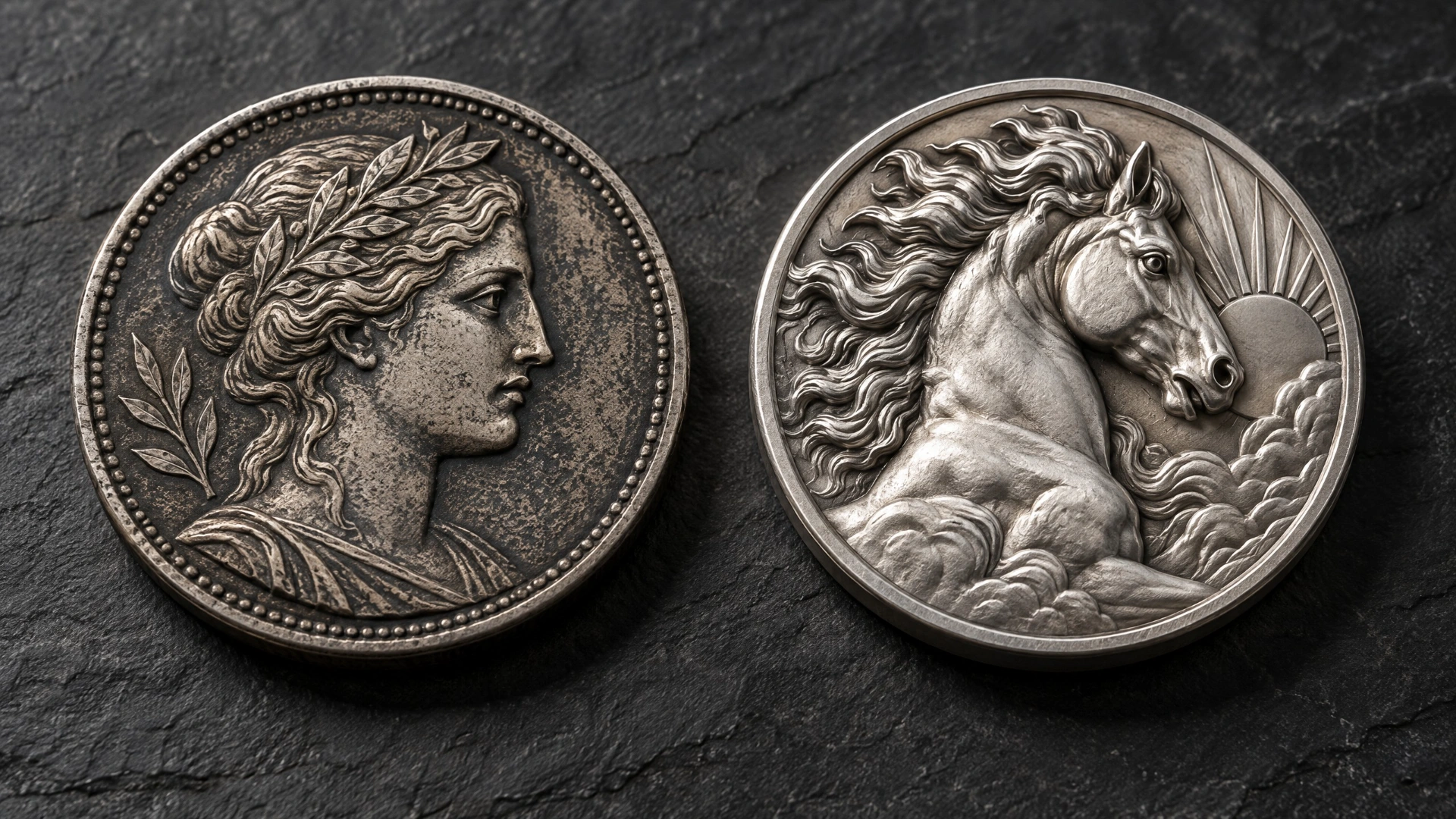
An antiqued finish makes a new silver coin look aged on purpose. The Perth Mint, which says it developed the process, blackens the silver in an oxidizing solution, abrades the raised areas to remove part of the dark coating, and then lacquers the coin. The result is dark recesses with bright high points, which shows off detailed designs.
Antiquing is applied by the mint, before sale. It is not the same as natural toning, and it is not something to correct. Cleaning an antiqued coin removes the finish the buyer paid for, in the same way that cleaning a toned coin removes original surface. Our article on milk spots, toning and patina explains why cleaning is the expensive mistake on silver.
High relief and ultra high relief
Relief is the part of a coin's design raised above its surface. A high relief coin is one whose design is raised further than usual. Deeper relief takes more striking force, and the classic examples below needed several strikes per coin.
The classic example is Augustus Saint-Gaudens' 1907 double eagle. In his commentary on the PCGS CoinFacts page for the 1907 High Relief, David Akers records a mintage of 11,250, says the design reportedly required five blows of the minting press to bring up fully, and notes the coins were impossible to stack properly, which made them unsuitable for commerce. The even deeper ultra high relief version went further still: the Smithsonian's record for its 1907 pattern says each coin took nine blows of a hydraulic press and that fewer than two dozen were made.
In 2009 the US Mint issued the design it could not mass-produce in 1907. Its page on the Ultra High Relief Double Eagle says the original Saint-Gaudens plasters were digitally mapped and that the coin was struck in 24-karat gold, which the Mint notes is more malleable than 22-karat or 90% gold. Modern high relief silver coins follow the same logic: deeper relief costs more to make, and that cost sits in the premium.
Colorized coins: mint color and aftermarket color
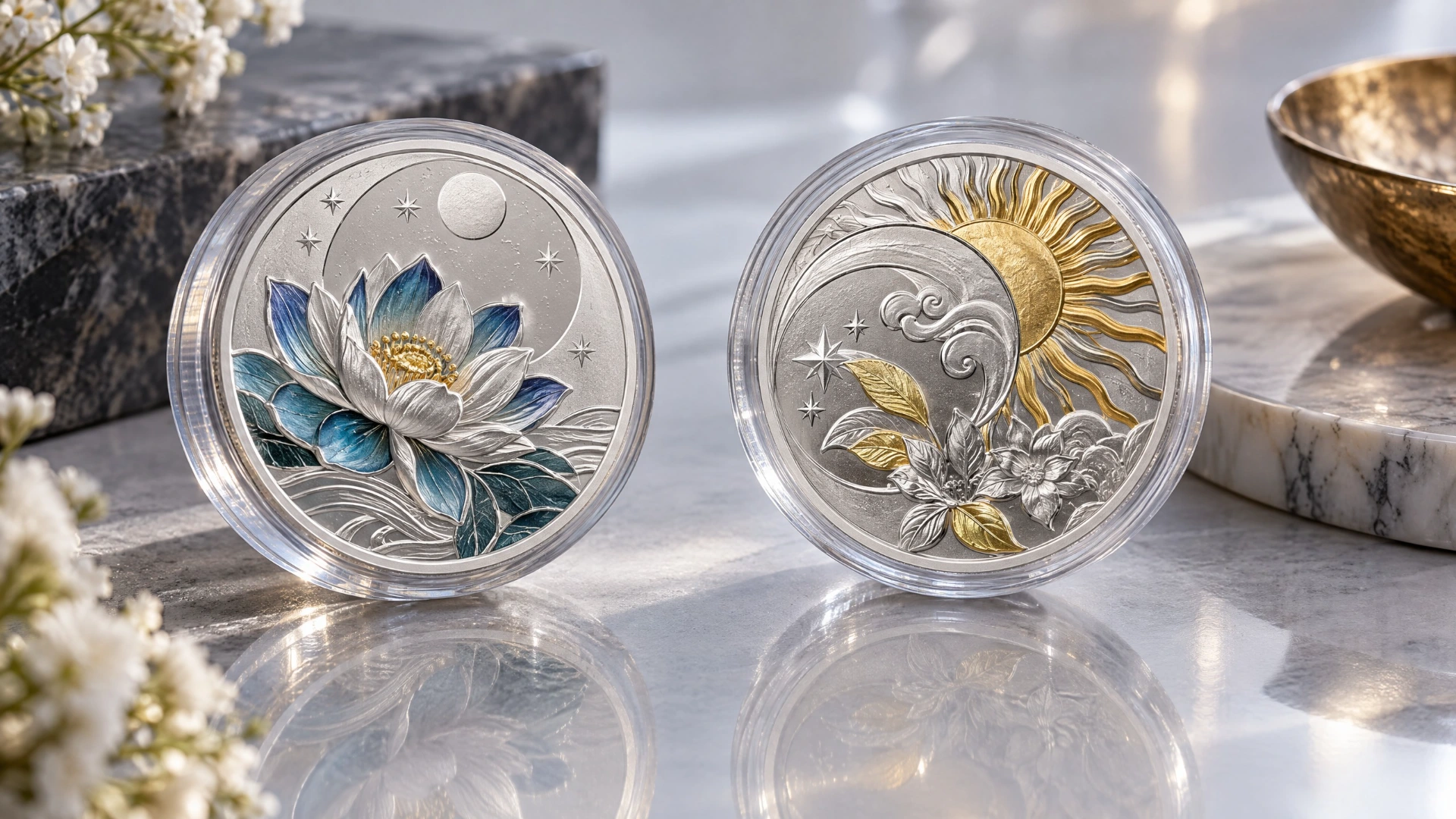
A colorized coin has color applied to part of its design. Who applied it matters more than anything else about it.
Mint-applied color. Mints print color onto coins as part of production. The Perth Mint describes mapping the design with a digital camera and applying a white primer followed by colored layers with an LED UV printer. The US Mint came to it late: NGC described the 2020 Basketball Hall of Fame half dollar and silver dollar as the first colorized coins ever produced by the US Mint.
Aftermarket color. Independent firms also color coins after they leave the mint. These are not mint products. In a 2021 Numismatic News article by Richard Giedroyc, NGC's David Camire explained that NGC grades only officially colorized issues and returns coins colored by outside firms as "Colorized outside the Mint". You can read the full discussion of grading color-enhanced coins there.
Condition of the color counts too. In the same article, Camire said chipped colorization will not grade higher than MS or PF69, and that a significant loss of color makes a coin ungradable. Giedroyc also noted that color enhancement on some earlier issues has been seen to fade over time. Treat a colorized coin like a proof: in a capsule, out of sunlight, and never wiped.
Gilded: selective gold on silver
Gilding adds a thin decorative layer of gold to selected areas of a silver coin. The Perth Mint describes electroplating a thin layer of 24-karat gold onto selected areas of a silver coin. The gold layer is decorative. It adds no meaningful gold content, and a gilded silver coin is priced as a silver collector coin, not as gold.
The finishes side by side
| Finish | How it is made | What you see | What to watch |
|---|---|---|---|
| Bullion / BU | Standard high-volume strike | Even, bright surface; small marks are normal | Priced closest to metal content |
| Proof | Polished planchets and dies | Mirror field, frosted design | Hairlines and fingerprints show easily |
| Reverse proof | Proof dies with the frosting inverted | Frosted field, mirror design | Same handling care as a proof |
| Antiqued | Oxidized, high points abraded, lacquered | Dark recesses, bright raised areas | Cleaning removes the finish |
| High relief | Deeper design, more striking force | Pronounced sculpted design | Raised points are exposed to contact |
| Colorized | Color printed by the mint, or added after minting | Colored design elements | Who applied the color; chips and fading |
| Gilded | Gold electroplated onto parts of the design | Gold highlights on silver | Decorative layer, not gold content |
What a finish does to value
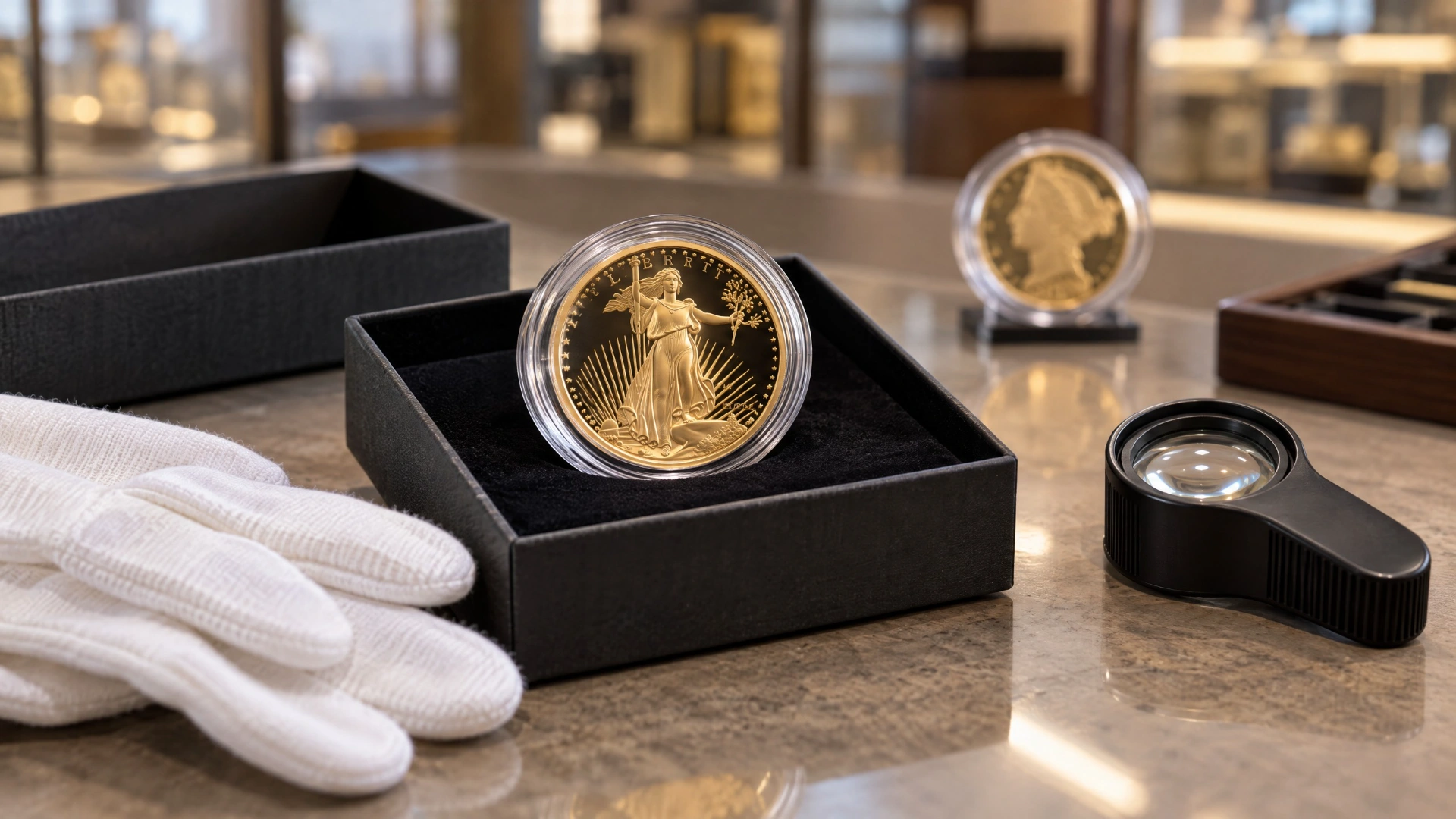
Every coin's price has two parts: the metal it contains and the premium above that metal. The finish never changes the first part. Two one-ounce .999 silver coins contain the same silver whether one is BU and the other is a colorized proof.
The finish works on the second part. A proof, reverse proof, antiqued, high relief or mint-colorized coin costs more to make, is often issued in smaller numbers, and is bought by collectors as well as by people buying metal. On licensed designs the license adds to that premium. Our guide to what "limited mintage" really means on licensed bullion covers where those premiums come from and why the secondary market for licensed series has historically been more variable than for sovereign bullion.
For the value of a colorized silver coin, the honest answer has three parts. A mint-colorized issue is priced on its mintage, demand and the condition of the color as well as its silver. An aftermarket-colorized bullion coin has no route to an NGC grade under the policy above, so the silver content is the part of its value that every buyer can measure, and any collector premium rests on the buyer's own judgment. And on either kind, chipped or faded color counts against the coin.
When you sell, expect the two parts to be priced separately. The metal follows the market on the day. The premium depends on whether there is demand for that particular coin in that particular finish and condition, and there is no assurance it will match what was paid.
Finishes on our shelves
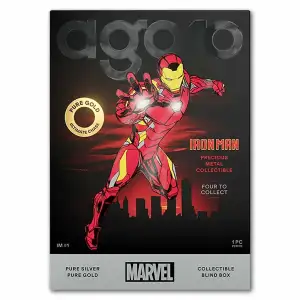
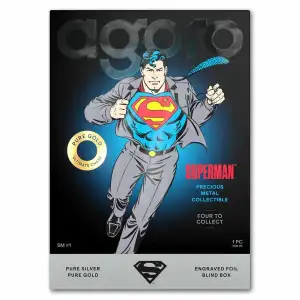
On 17 October 2026 our themed bullion range included several finishes from this guide. In stock were six of the seven 2023 Niue Marvel Avengers 60th Anniversary one-ounce .999 silver colorized proofs, struck by the New Zealand Mint, which lists a worldwide mintage of 1,963 for the Thor coin. A mintage figure says how many were made; it does not set what one will sell for later. Proof and colorized Star Wars, DC Comics and Disney pieces were also listed, and those we found were out of stock on that date. We did not find a reverse proof, antiqued or high relief piece on the first page of each themed category that day.
 Read more about2023 Niue Marvel Avengers 60th Ann. Captain America 1oz Silver Colorized Proof Coin


If you are selling a finished coin, our sell to us page says all numismatic coins have to be seen in the office to determine a purchase price. Walk-ins are welcome and appointments take priority, so if you are unsure whether a proof or colorized piece counts as numismatic, ask when you book. Keep the box and certificate with the coin; for a mint product they are part of what a buyer is looking at.
This article is educational and reflects general information about precious metals and collectible coins. It is not investment, tax or legal advice, and Stout Gold & Silver is not a registered investment adviser, broker-dealer or tax professional. Metal prices fluctuate and past performance does not indicate future results. Consult a qualified professional about your own situation.
Frequently asked questions
What is the difference between a proof and a reverse proof?
A standard proof has a mirror-like background with a frosted design. A reverse proof inverts that: the background is frosted and the raised design is mirror-like. Both are struck from specially prepared dies, and the US Mint says each reverse proof is struck at least twice. Neither finish changes the metal content; a one-ounce silver proof and reverse proof contain the same silver.
What does antiqued mean on a silver coin?
An antiqued silver coin has been deliberately darkened by the mint. The Perth Mint, which says it developed the process, blackens the silver in an oxidizing solution, abrades the raised areas to bring back bright highlights, and lacquers the coin. The aged look is the finish you paid for, so the coin should never be cleaned or polished.
What is a high relief coin?
A high relief coin has its design raised further above the surface than a standard strike. Deeper relief needs more striking force, and can take more than one strike, which raises the cost of making it. A well-known example is the 1907 Saint-Gaudens double eagle; David Akers' PCGS commentary says it reportedly needed five blows of the press and could not be stacked properly, making it unsuitable for commerce.
Are colorized silver coins worth more than plain ones?
They contain the same silver, so any difference is premium, not metal. Mint-colorized issues are priced on mintage, demand and the condition of the color. NGC returns coins colored after leaving the mint as "Colorized outside the Mint" rather than grading them, so any collector premium on those rests on the buyer's own judgment. Chipped or faded color counts against either kind.
Does a proof or colorized coin contain more silver?
No. A finish changes the surface, not the metal content. A one-ounce .999 silver coin contains one troy ounce of silver whether it is struck as bullion, proof, reverse proof, antiqued or colorized. Gilded coins carry a thin decorative layer of gold that adds no meaningful gold content.
How should I handle a proof or colorized coin?
By the edges, and as little as possible. PCGS warns that even a slight rub can leave hairlines on a proof surface, and color can chip. Keep the coin in its capsule, out of direct sunlight, and never wipe or clean it. Our guide to coin capsules and holders explains which materials are safe for long-term storage.
See the finishes in person
Proof mirrors, frosted designs and printed color all look different in the hand than on a screen. Come and look before you buy, or bring in what you have and we will tell you what it is. We are a family-owned shop in the Texas Panhandle since 1986, open weekdays only, so check the hours before you drive in. Online orders over $199.99 ship free.
Stout Gold & Silver
2300 SW 7th Ave Ste 105
Amarillo, TX 79106
(806) 374-8698
Mon-Fri 10:00-16:00 · Sat closed · Sun closed