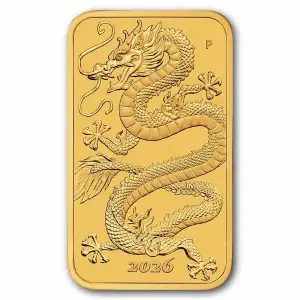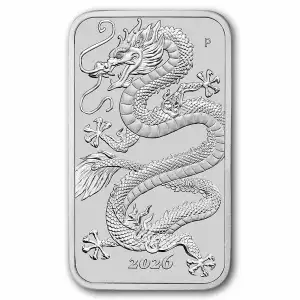
Texas charges no sales tax on gold, silver or numismatic coins, or on platinum, gold or silver bullion. The exemption is written into Texas Tax Code § 151.336, it carries no minimum purchase amount, and it has worked that way since 1 October 2013. What it does not cover is the same metal in the form of jewelry or another item of adornment.
That line — bullion on one side, adornment on the other — decides the tax on a lot of counter transactions in the Panhandle. And because Amarillo draws buyers from the New Mexico and Oklahoma panhandles, the second question is what your own state does about a purchase made in Texas. The two states answer it very differently.
This article is educational and reflects general information about precious metals and collectible coins. It is not investment, tax or legal advice, and Stout Gold & Silver is not a registered investment adviser, broker-dealer or tax professional. Metal prices fluctuate and past performance does not indicate future results. Consult a qualified professional about your own situation.
What Texas Exempts, in the Statute’s Own Words
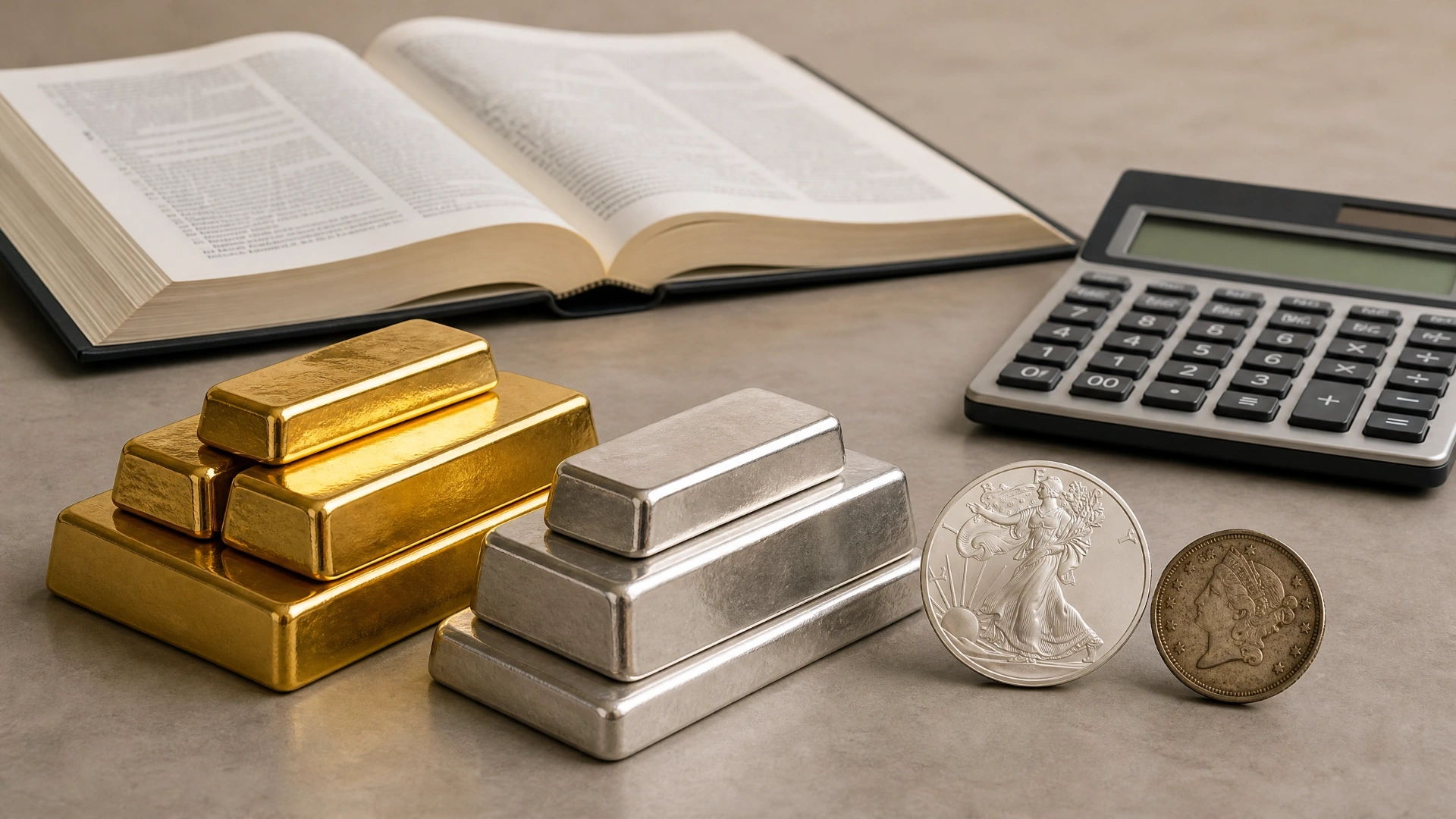
The Texas precious metals tax exemption is one sentence long. Texas Tax Code § 151.336 reads: “The sale of gold, silver, or numismatic coins or of platinum, gold, or silver bullion is exempted from the taxes imposed by this chapter.”
The Comptroller’s implementing rule, 34 Texas Administrative Code § 3.336, supplies the definitions that decide what falls inside it.
Bullion is “gold, silver, or platinum that is formed into uniform shapes and quantities such as ingots, bars, or plates, with uniform content and purity.” That covers cast and minted bars, rounds and ingots.
A numismatic coin is “a coin that is not used as a medium of exchange or whose price depends more on characteristics such as beauty, rarity, and condition than on its metal content or its face value.” That covers the collector side of the case — a graded Morgan dollar, a pre-1933 gold piece, a type coin bought for its condition rather than its metal.
Between them, the statute and the rule cover almost everything a bullion buyer or coin collector actually puts on the counter.
There Is No Minimum Purchase, and Has Not Been Since 2013
There is no minimum purchase amount for the Texas exemption, and there has not been one since 1 October 2013. Before that date the exemption applied only where “the total sales price of all of the items sold equals $1,000 or more.” House Bill 78 of the 83rd Legislature struck that language, and the change took effect on 1 October 2013.
The repealed threshold still circulates. A state-by-state guide that gives Texas a $1,000 minimum is quoting the pre-2013 statute — under which a single Silver Eagle was taxable and a monster box was not. Check the date on any source that states a threshold. A one-ounce silver round and a hundred-ounce bar are treated identically today.
What Is Still Taxable at a Texas Counter
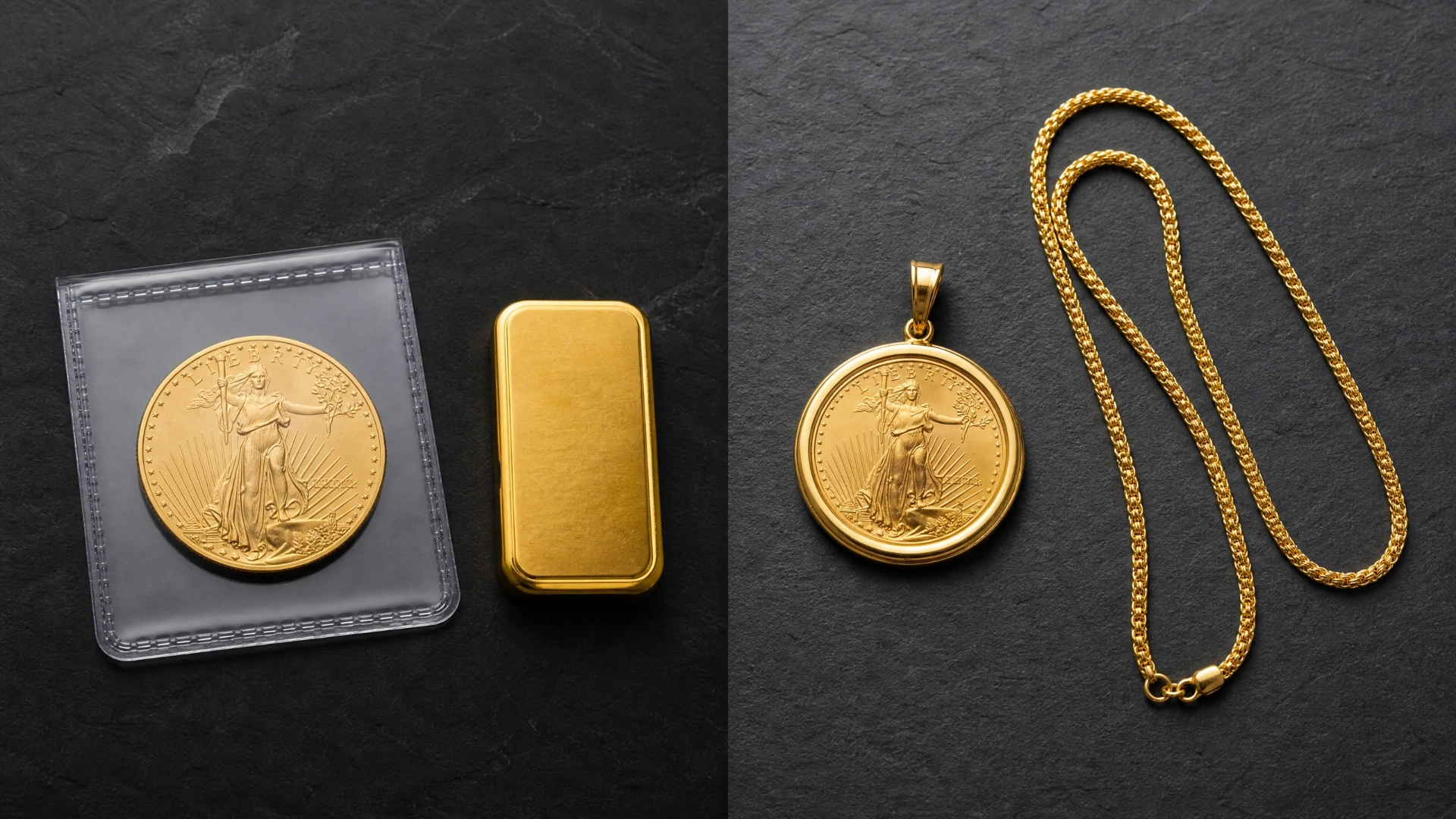
The exemption is drawn around the metal’s form, not its purity. Rule 3.336 carves out one category explicitly: the exemption “does not include gold, silver, or numismatic coins, or gold, silver, or platinum bullion in the form of jewelry or other items of adornment.”
So a gold chain is taxable. A bezel-mounted Gold Eagle worn as a pendant is a piece of adornment, not an exempt coin sale. A loose Gold Eagle in a flip is exempt. Same coin, same gold, different tax treatment, and the difference is the mounting.
| What is on the counter | Texas sales tax | Where that comes from |
|---|---|---|
| Gold, silver or numismatic coins | Exempt | Tax Code § 151.336 |
| Platinum, gold or silver bullion — bars, rounds, ingots | Exempt | Tax Code § 151.336 |
| Any of the above mounted as jewelry or an item of adornment | Not exempt | 34 TAC § 3.336 |
| Palladium bullion | Not named in either the statute or the rule | See below |
| Tubes, capsules, albums, safes, reference books, collector merchandise | No exemption of their own | Tax Code § 151.336 — neither the statute nor Rule 3.336 reaches accessories |
Palladium deserves its own line. Section 151.336 names platinum, gold and silver bullion, and Rule 3.336 defines bullion the same way. Neither text mentions palladium. We have not found a published Comptroller ruling that settles palladium bullion one way or the other, so anyone planning a large palladium purchase in Texas should put the question to the Comptroller’s office or a Texas tax professional before the transaction rather than after it.
Driving In From New Mexico

New Mexico does not levy a sales tax at all, and we found no bullion-specific deduction in its gross receipts tax code. A gross receipts tax is a tax on the seller’s total receipts rather than on the buyer’s purchase, and sellers generally pass it through to the customer. Senate Bill 174 of the 2026 session, titled “Gold & Silver Sale GRT Deduction,” would have created a deduction for gold and silver sales; did not advance in the 2026 session and the bill died.
Two separate things follow, and it helps to keep them apart.
The Texas side is settled. Section 151.336 exempts the transaction, not the customer. Nothing in it turns on where the buyer lives, so a Clovis or Tucumcari buyer standing at an Amarillo counter is in exactly the same position as an Amarillo one.
The New Mexico side is a question for New Mexico. Compensating tax is New Mexico’s use tax — an excise tax on the privilege of using tangible personal property in the state where the property was acquired in a transaction whose receipts were not subject to gross receipts tax. NMSA § 7-9-7 imposes it, and that is the mechanism. Whether it reaches a particular purchase, and what a particular buyer is obliged to do about it, is a matter for the New Mexico Taxation and Revenue Department or a tax professional in that state. We sell metal — we are not in a position to answer it for you, and we would be wrong to try.
Driving In From Oklahoma
Oklahoma exempts the same category as Texas and reaches slightly further — its statute names palladium, which Texas’s does not. Title 68 O.S. § 1357 exempts “sales of gold, silver, platinum, palladium or other bullion items such as coins and bars and legal tender of any nation, which legal tender is sold according to its value as precious metal or as an investment.”
The Oklahoma Tax Commission’s rule, OAC 710:65-13-95, then lists what stays outside: fabricated metals processed for artistic use or jewelry, jewelry and accessory items such as belt buckles and money clips, paper currency, and bonds, certificates and stocks.
On jewelry the two states land in the same place from opposite directions — Texas by carving adornment out of the exemption, Oklahoma by carving out fabricated and accessory items.
| Texas | Oklahoma | New Mexico | |
|---|---|---|---|
| Tax type on retail sales | Sales and use tax | Sales and use tax | Gross receipts tax on the seller |
| Gold and silver bullion and coins | Exempt | Exempt | No bullion-specific deduction found |
| Platinum bullion | Exempt | Exempt | No bullion-specific deduction found |
| Palladium bullion | Not named | Exempt | No bullion-specific deduction found |
| Jewelry and adornment | Taxable | Taxable | Taxable |
| Minimum purchase to qualify | None since 1 Oct 2013 | None stated | Not applicable |
| Authority | Tax Code § 151.336; 34 TAC § 3.336 | 68 O.S. § 1357(42); OAC 710:65-13-95 | NMSA § 7-9-7; SB 174 (2026) postponed indefinitely |
Sales Tax Is Not the Only Tax in the Picture
A sales-tax exemption is a rule about the purchase. It says nothing about what happens when the metal is eventually sold.
The IRS taxes collectibles at a higher maximum capital-gains rate than most assets, and its guidance illustrates the category with coins. Topic no. 409 states that “net capital gains from selling collectibles (such as coins or art) are taxed at a maximum 28% rate” — above the 0%, 15% and 20% rates the same guidance sets out for other net long-term capital gains, with the bracket depending on taxable income. Holding period, basis and your own circumstances all bear on what is actually owed, which is why this belongs with a tax professional and not with a coin dealer.
There is a reporting rule worth knowing on the buying side too. A business that receives more than $10,000 in cash in a single transaction, or in related transactions, must file IRS Form 8300 within 15 days. That is a federal obligation on the shop rather than on the customer, and it applies to cash rather than to metal. What the IRS counts as cash for this purpose is set out on the same page, and it is broader than banknotes.
How This Plays Out at Our Counter in Amarillo
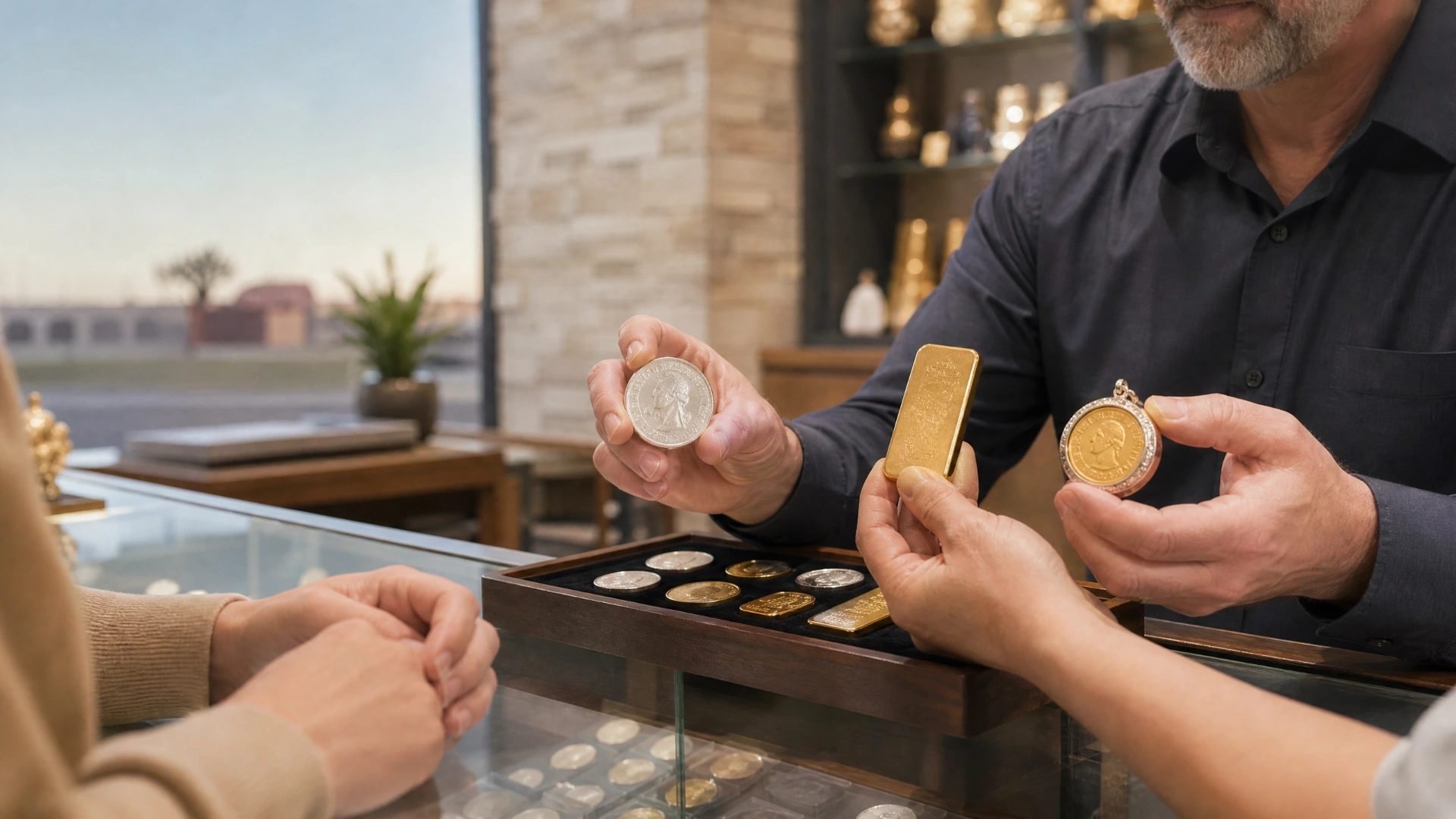
We do not add sales tax to an exempt item, and that is not a promotion — it is § 151.336 doing what it says. What we can do is tell you which side of the line a given piece falls on before you buy it, because the answer is often not obvious. A mounted coin and a loose one look like the same purchase and are not.
What we cannot do is advise you on your own state’s treatment of a purchase you carry home, or on what you will owe when you sell. Those are questions for a tax professional, and a dealer who answers them casually is doing you no favors.
The practical constraint for anyone driving in is our hours — a narrow weekday window, listed at the end of this article, with no Saturday or Sunday trade. That is worth checking against a long drive. Calling ahead is the difference between a good trip and a wasted one, particularly for numismatic material.
Frequently Asked Questions
Is bullion taxed in Texas?
No. Texas Tax Code § 151.336 exempts sales of gold, silver and numismatic coins, and of platinum, gold and silver bullion, from the taxes imposed by Chapter 151 of the Tax Code. There is no minimum purchase amount. The exemption does not extend to the same metal in the form of jewelry or another item of adornment.
Is there a minimum purchase to qualify for the Texas exemption?
No, not since 1 October 2013. Before that date the exemption applied only to sales of $1,000 or more. House Bill 78 of the 83rd Legislature removed the threshold, so a single silver round is exempt on the same terms as a large order. Any source that states a $1,000 Texas minimum is quoting the pre-2013 statute.
Do I pay Texas sales tax if I live in New Mexico or Oklahoma?
Not on an item the statute exempts. Section 151.336 exempts the transaction rather than the customer, so residency does not change the Texas answer. What your home state expects afterwards is separate: Oklahoma exempts a broader category under 68 O.S. § 1357 — its text names palladium expressly, which the Texas statute does not, while New Mexico has no bullion deduction and operates a compensating tax under NMSA § 7-9-7. Ask a tax professional in your own state.
Is gold jewelry taxed in Texas?
Yes. Comptroller Rule 3.336 states that the exemption does not include coins or bullion “in the form of jewelry or other items of adornment.” A gold chain, a bracelet and a bezel-set coin worn as a pendant are all taxable sales, even though the metal inside them would be exempt in bar or coin form.
Is palladium bullion exempt in Texas?
Unclear on the face of the law. Section 151.336 names platinum, gold and silver, and Rule 3.336 defines bullion the same way; neither text mentions palladium. We have not found a published Comptroller ruling on the point, so put the question to the Comptroller’s office or a Texas tax professional before a substantial palladium purchase.
Does the exemption mean my gains are tax-free?
No. Sales tax and capital gains tax are different taxes answering different questions. The IRS taxes collectibles at a maximum 28% rate on net capital gains under Topic no. 409. What you actually owe depends on your holding period, basis and circumstances — a question for your tax professional.
Visit Us in Amarillo, or Order Online
If you are driving in from Canyon, Borger, Dumas or across the state line — and if you are crossing one, read the New Mexico and Oklahoma sections above before you set off — call ahead so we can look anything up before you arrive. Bring what you are unsure about: a mounted coin, an estate lot, a bar with no assay card. We will tell you what it is and which side of the Texas sales-tax line it falls on. If the drive is not worth it, we ship, and shipping is free over $199.99.
Stout Gold & Silver
2300 SW 7th Ave Ste 105
Amarillo, TX 79106
(806) 374-8698
Monday–Friday: 10:00am–4:00pm · Saturday and Sunday: closed
stoutgold.co