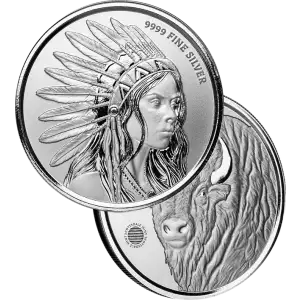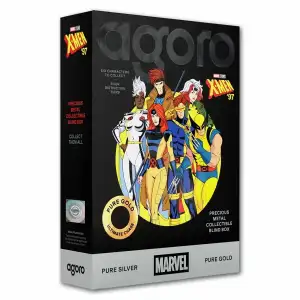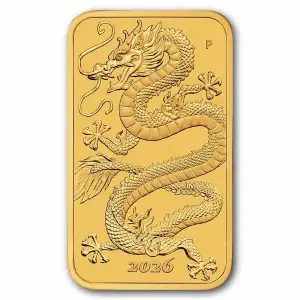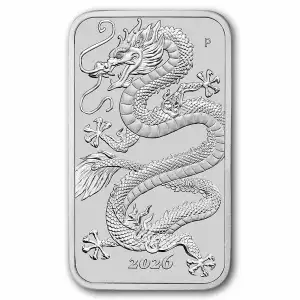
Coin collecting can be a fun, affordable hobby and a way to own pieces of history, especially if you live in Amarillo and have access to a trusted local coin shop. Many people collect coins to learn about history and culture, choosing specific themes, historical periods, denominations, or countries. Coin collecting is also known as 'numismatics' among enthusiasts. This beginner coin guide will walk you through coin collecting for beginners step by step, explain numismatic coins vs bullion in plain English, and show you how to start coin collecting smartly—not expensively. Coin collecting dates back to ancient Greece, where coins were often given as special gifts.
What this Amarillo coin guide will cover
This Coin Collecting 101 guide is for Amarillo residents (and anyone in the Texas Panhandle) who are curious about starting a coin collection but are not sure where to begin. In this guide, you’ll find great tips for starting and managing a coin collection, including coin collecting basics, how to start coin collecting with a clear goal and budget, and how to decide whether bullion or numismatic coins make more sense for you as a beginner.
Coin collecting basics: why this hobby appeals to so many
Coin collecting offers a unique mix of history, art, and potential value, which is why it is often called the “hobby of kings” yet is still accessible to everyday collectors. Each coin tells a story—of a country, an era, or a special event—and building a collection lets you curate those stories in a way that fits your interests and budget.
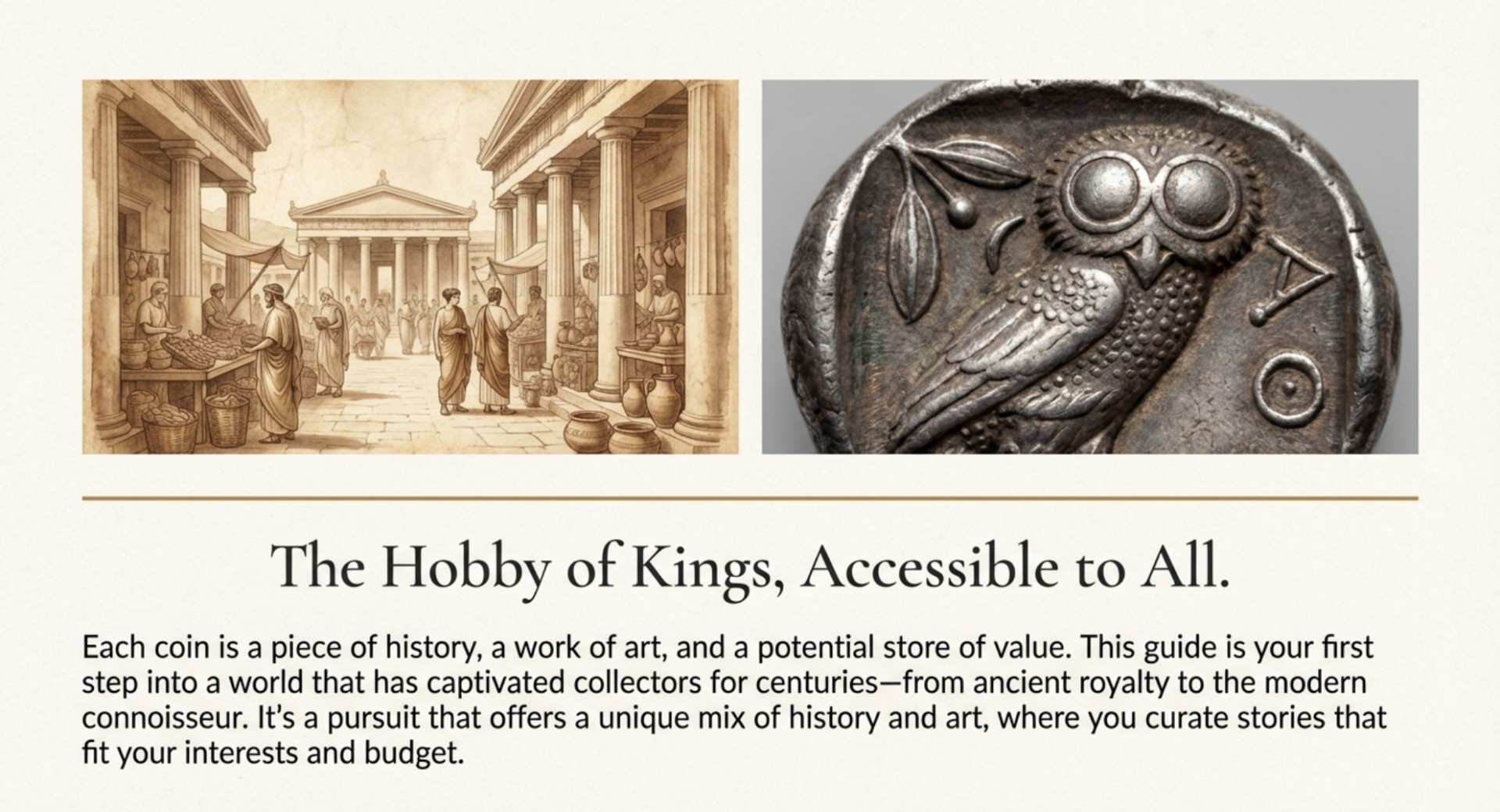
Unlike some hobbies, coin collecting for beginners does not require a huge upfront investment; you can start with common, affordable coins and gradually grow into more advanced pieces. That flexibility makes it a great shared hobby for families, kids, and anyone who enjoys learning as they go.
How to start coin collecting the smart way

Set a clear goal and budget
Before you buy anything, decide what you want from coin collecting: mainly fun, mainly long‑term value, or a mix of both. A clear goal helps you choose whether to focus on modern sets, historic coins, bullion pieces, or a blend, instead of impulsively buying whatever looks “rare” online.
Set a realistic starter budget—something that lets you practice on lower‑risk coins while you learn. Many experts suggest beginning with inexpensive series so your early mistakes, which are normal, are also inexpensive.
Choose a theme or focus that excites you
The best beginner coin guide advice is simple: collect what you actually like looking at. You might choose a theme based on:
- A country (U.S. coins, world coins, or specific regions).
- A time period (early 20th century, modern commemoratives, etc.).
- A type or denomination (quarters, half dollars, silver dollars).
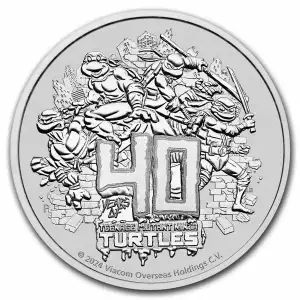
- A topic (animals, presidents, landmarks, pop‑culture or movie‑themed coins).
- Historic U.S. coin series featuring liberty, such as Liberty Head 'V' Nickels or Seated Liberty Half Dollars.
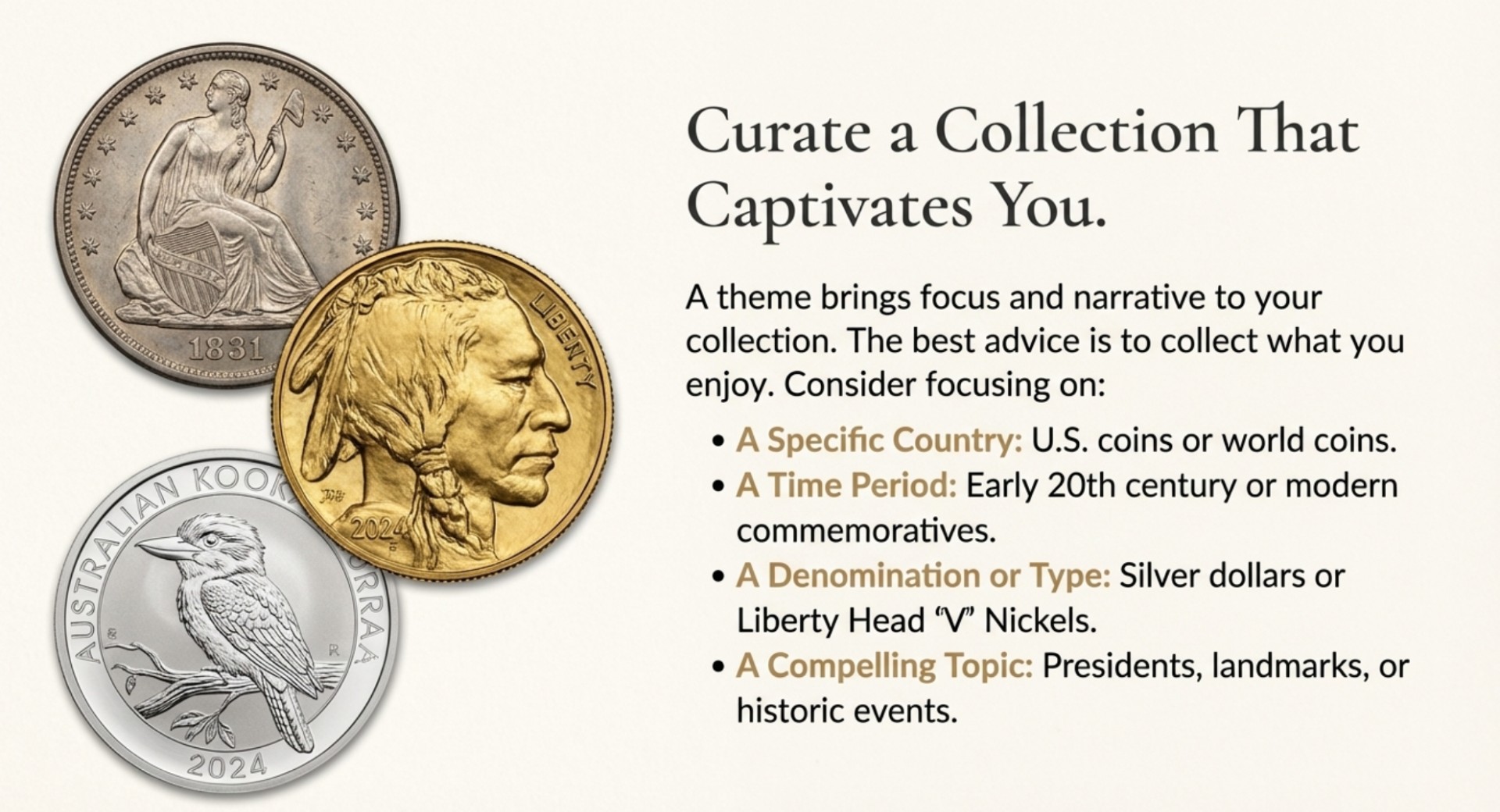
Commemorative coins are issued to mark special events or honor important people. Many collectors enjoy assembling collections of special edition coins, released to celebrate landmark events and anniversaries.
Sticking to a theme makes it easier to stay focused and track your progress as your collection grows.
Learn the basic coin terms
A little vocabulary goes a long way for beginner coin collectors. Key terms include:
- Obverse / reverse – the front and back of the coin.
- Mint mark – letter(s) showing where the coin was made. Coins are minted at specific locations, and the minting process is important for identifying when and where a coin was produced.
- Mintage – how many were produced.
- Grade – the condition of a coin, from heavily worn to nearly perfect.
- Circulated vs uncirculated – whether a coin has been used in everyday commerce.
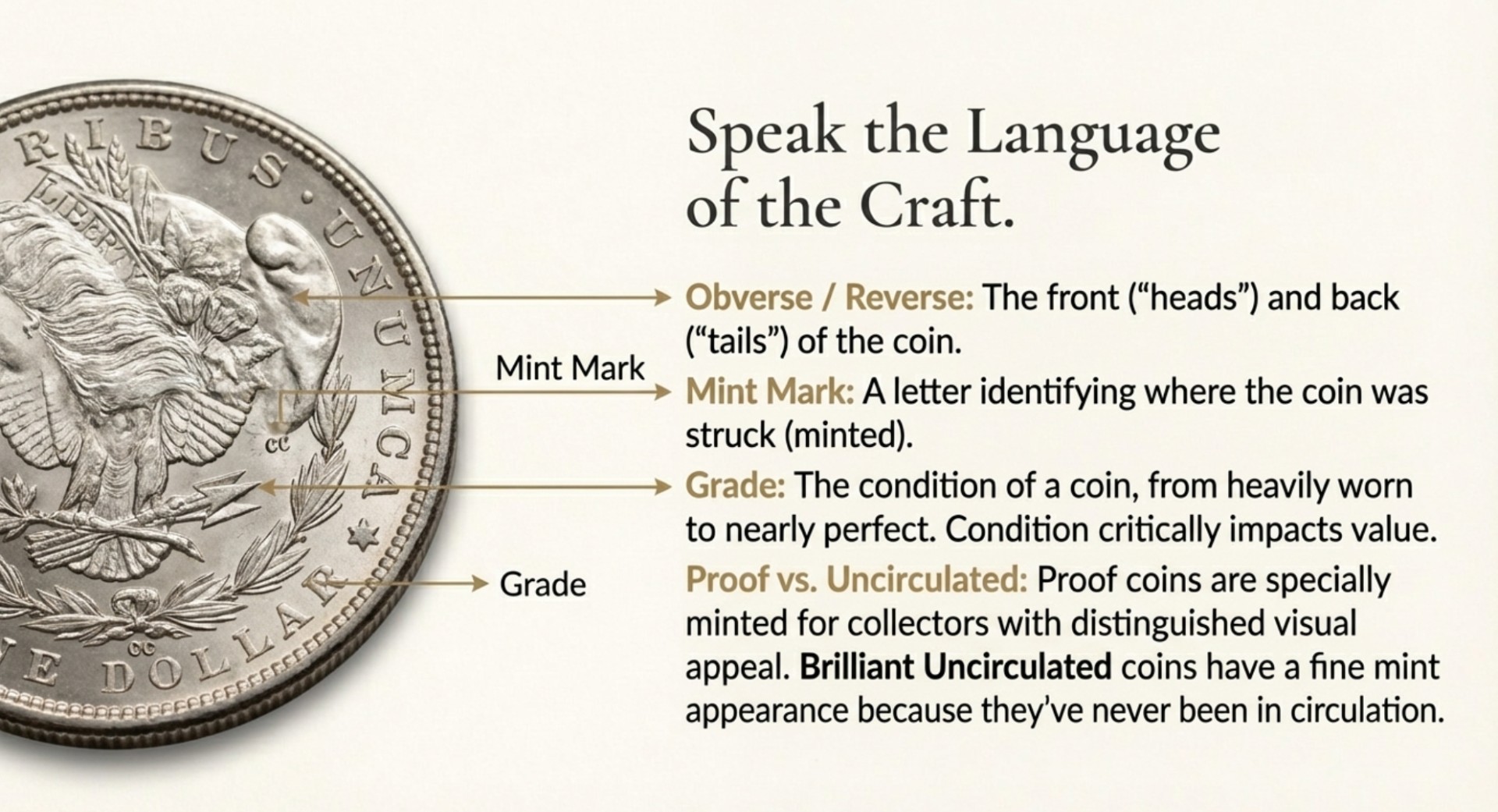
Proof coins are specially minted for collectors and are prized for their distinguished visual appeal. Brilliant Uncirculated coins have a fine mint appearance and lustre because they've never been in circulation.
Understanding grading is particularly important because condition often makes the biggest difference in value between two seemingly similar coins.
Starting your coin collection with pocket change
One of the easiest and most rewarding ways to begin your coin collecting journey is by simply taking a closer look at your pocket change. Many experienced collectors started out by saving interesting coins they found in their daily transactions—like wheat pennies, Jefferson nickels, or even the occasional foreign coin that slips into circulation. This approach lets you start your coin collection without spending extra money, while giving you a hands-on introduction to the different types of coins you might encounter.
As you sort through your change, you’ll discover a variety of circulating coins, including United States coins and world coins, each with its own story and historical significance. You might come across error coins—those with unusual features or minting mistakes—which are often highly sought after by collectors for their rarity and unique appeal. Over time, you’ll learn to recognize key features, such as mint marks, dates, and special designs, that can make certain coins more valuable or interesting.
Starting with pocket change also gives you the chance to explore the rich history behind coins, from the classic wheat pennies of the early 20th century to modern commemoratives and even bullion coins made from precious metals like gold and silver. As your interest grows, you may decide to focus your collection on specific themes, such as rare coins, ancient coins, or coins from the Royal Mint and other world mints.
To deepen your knowledge, consider joining a local coin club or attending local coin shows in Amarillo. These gatherings are great opportunities to meet other collectors, share tips, and see a wide range of coins up close. The American Numismatic Association is another excellent resource for new collectors, offering valuable insights, helpful links, and online resources to guide you as you build your collection. Reference books like the Red Book can help you identify coins, understand their value, and track market conditions.
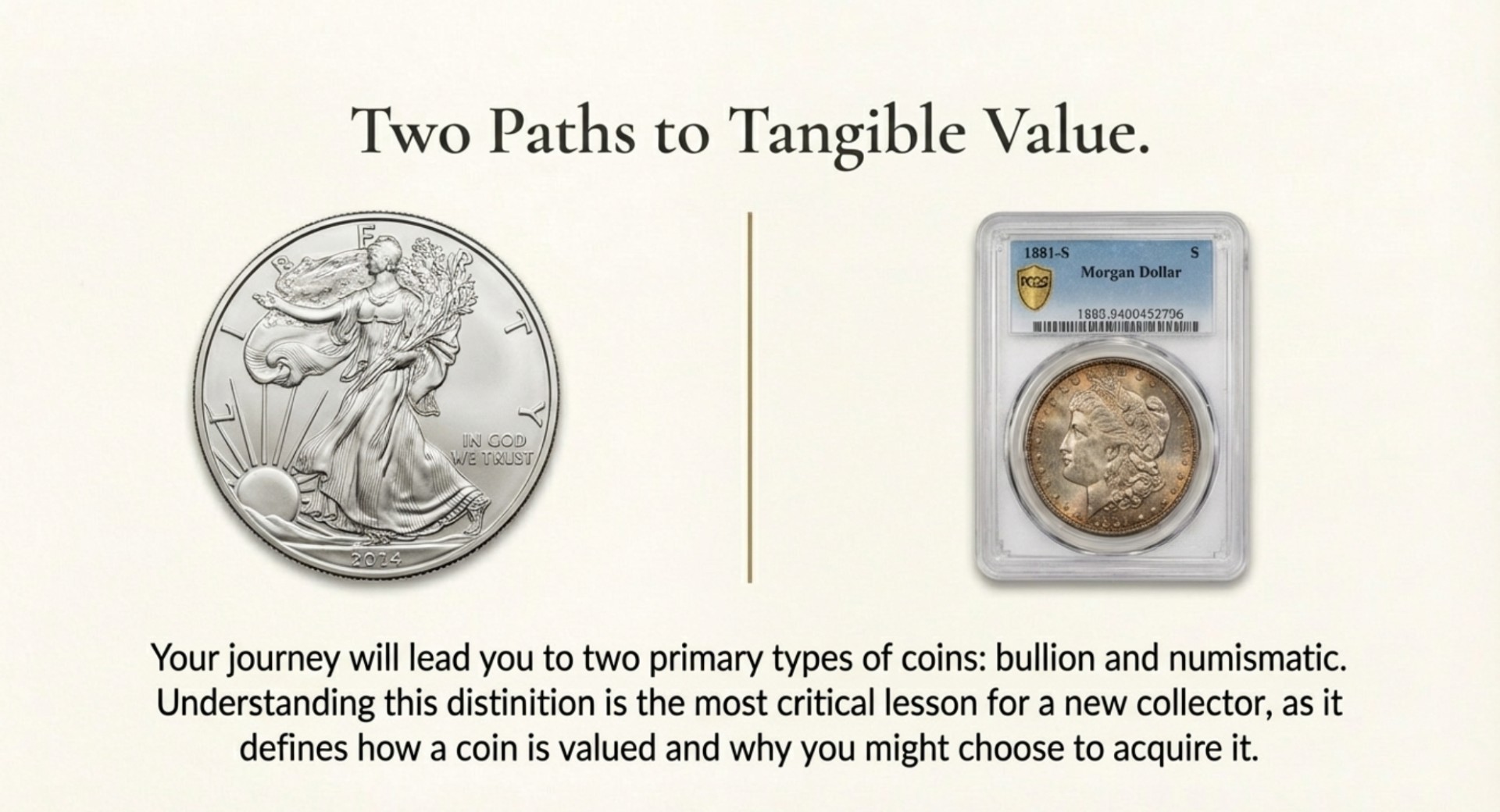
When you’re ready to expand beyond pocket change, always buy coins from reputable websites or trusted local dealers. Take time to learn about grading systems, such as those used by PCGS or NGC, to better understand the value and authenticity of your coins. As you gain experience, you might branch out into collecting ancient coins, bullion, or other types of coins that capture your interest.
Above all, remember that coin collecting is a rewarding hobby that offers endless opportunities to learn, connect, and discover. Happy collecting! Whether you’re building your entire collection from pocket change or branching out into rare and valuable coins, enjoy the process, reach out to other collectors, and take advantage of local clubs and shows to make the most of your collecting journey. The fascinating world of numismatics is waiting for you—start small, stay curious, and watch your collection grow.
Numismatic coins vs bullion: what’s the difference?
How bullion coins are valued
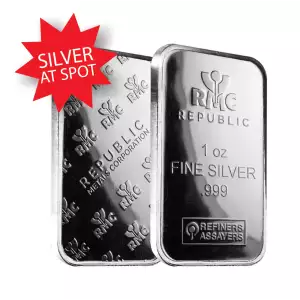
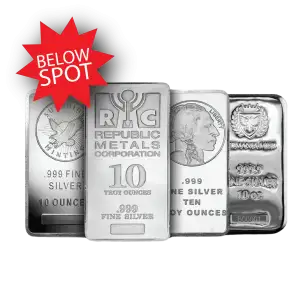
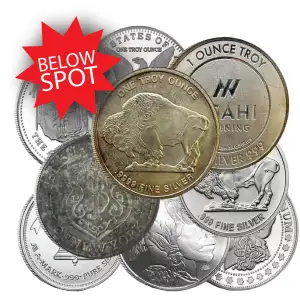
Bullion coins are primarily valued for their metal content—gold, silver, platinum—plus a small premium over the current spot price. Their price closely tracks the precious metal market, which makes bullion coins popular with people who think more like investors than traditional collectors.
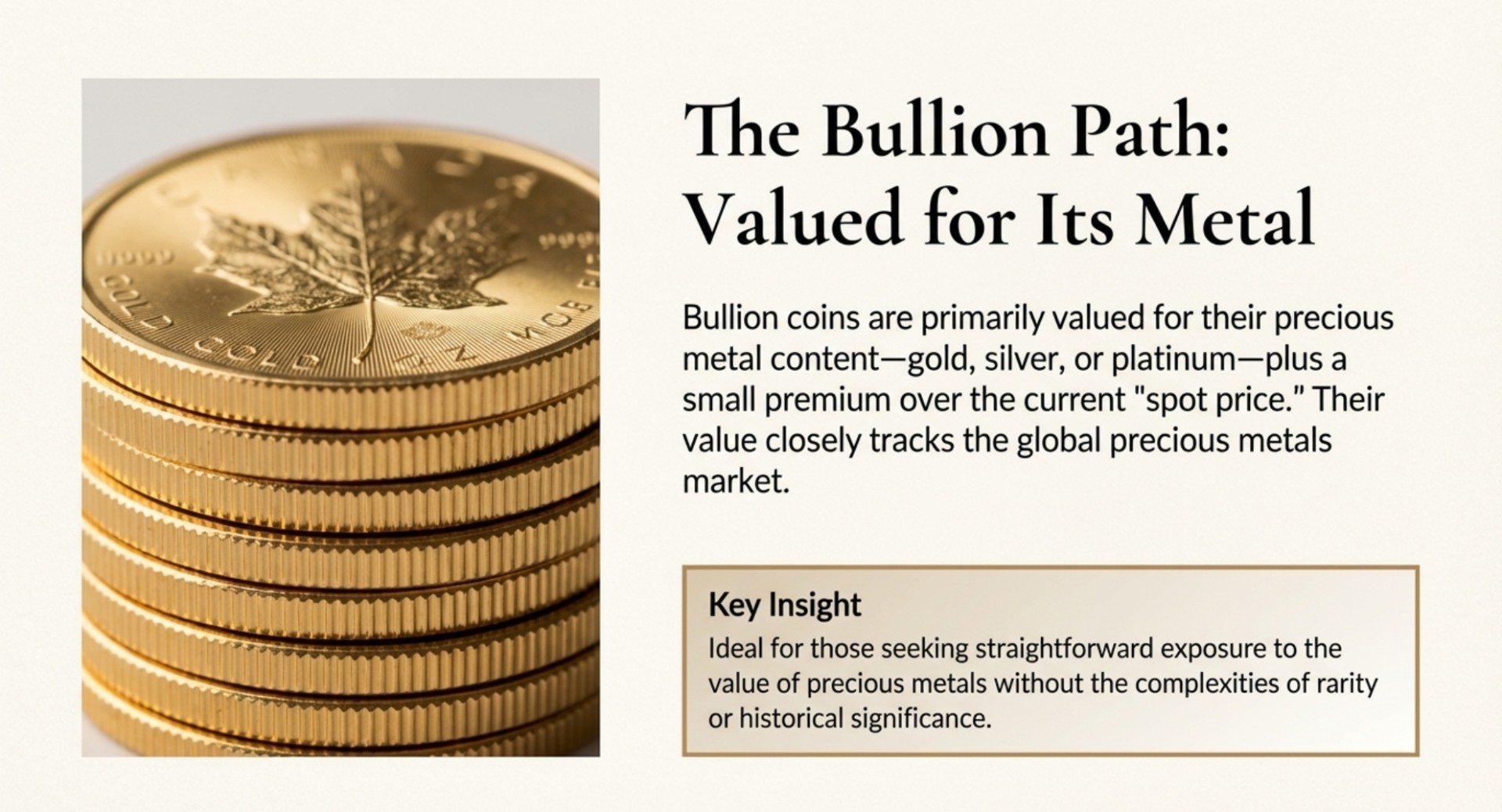
Common bullion examples include modern gold and silver coins with standardized designs that are easy to buy and sell based on weight and purity. Because of this, bullion is often recommended for those who want straightforward exposure to metal value without worrying about rarity or historical significance.
How numismatic coins are valued
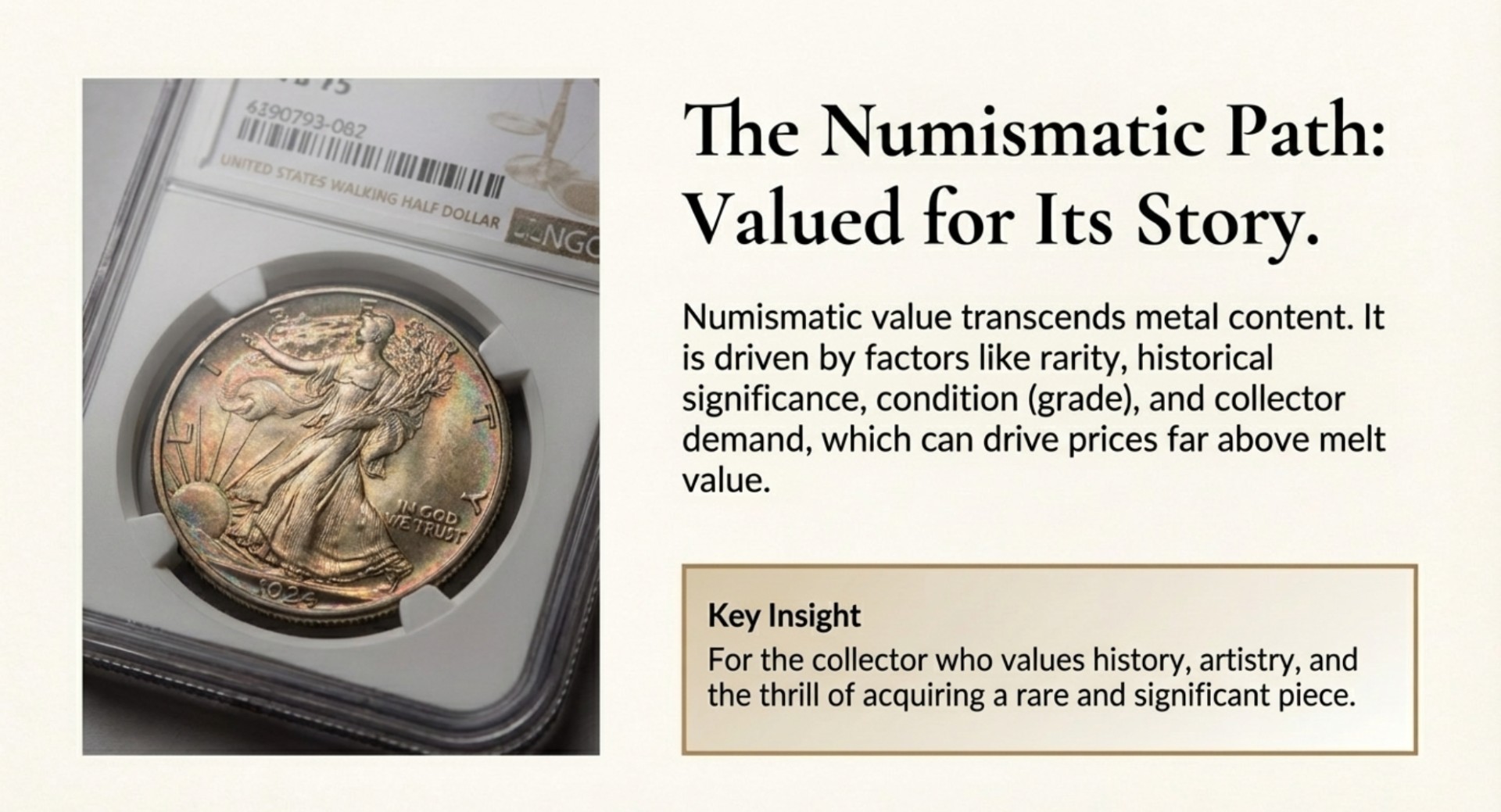
Numismatic coins are valued for more than their metal content; factors like rarity, age, demand, and condition can drive prices far above melt value. Think of key‑date coins, historic issues, and limited‑mintage commemoratives—here, the story and scarcity matter as much as the metal.
Professional grading by services such as PCGS or NGC can significantly influence numismatic value by providing an independent assessment of a coin’s condition. Because the stakes can be higher, beginners are wise to lean on reputable dealers when evaluating potentially expensive numismatic pieces.
Which is better for beginners?
For most beginners, a balanced approach works best: start with simple, well‑known bullion coins or widely collected modern issues, while gradually learning about deeper numismatic specialties. That way you can enjoy the hobby and gain experience before committing serious money to rare coins where mistakes can be costly.
If you are drawn to numismatic coins, consider sitting down with an experienced coin dealer to review your ideas and any coins you are thinking about buying. A 10‑minute conversation can save you from overpaying for something that sounds “too good to be true.”
Practical tips for beginner coin collectors in Amarillo
Where to see and buy coins locally
Living in Amarillo gives you real advantages compared with beginners who only buy online. You have access to local coin and precious metal shops where you can see coins in person, ask questions, and get a feel for quality and pricing before you spend.
A reputable Amarillo coin shop will typically offer both bullion and numismatic coins, plus basic collecting supplies, and will be used to working with brand‑new collectors. Visiting in person also lets you build a relationship with a dealer who can help you evaluate coins you already own or are considering.
Coin albums, holders and supplies you actually need
You do not need every gadget on day one, but a few supplies make a big difference in protecting your coins. For most beginners, a sensible starter kit includes:
- A simple album or binder pages for your main series.
- 2x2 cardboard or plastic holders for individual coins.
- A small storage box and soft gloves or careful handling practices.
- A basic magnifying glass or loupe.
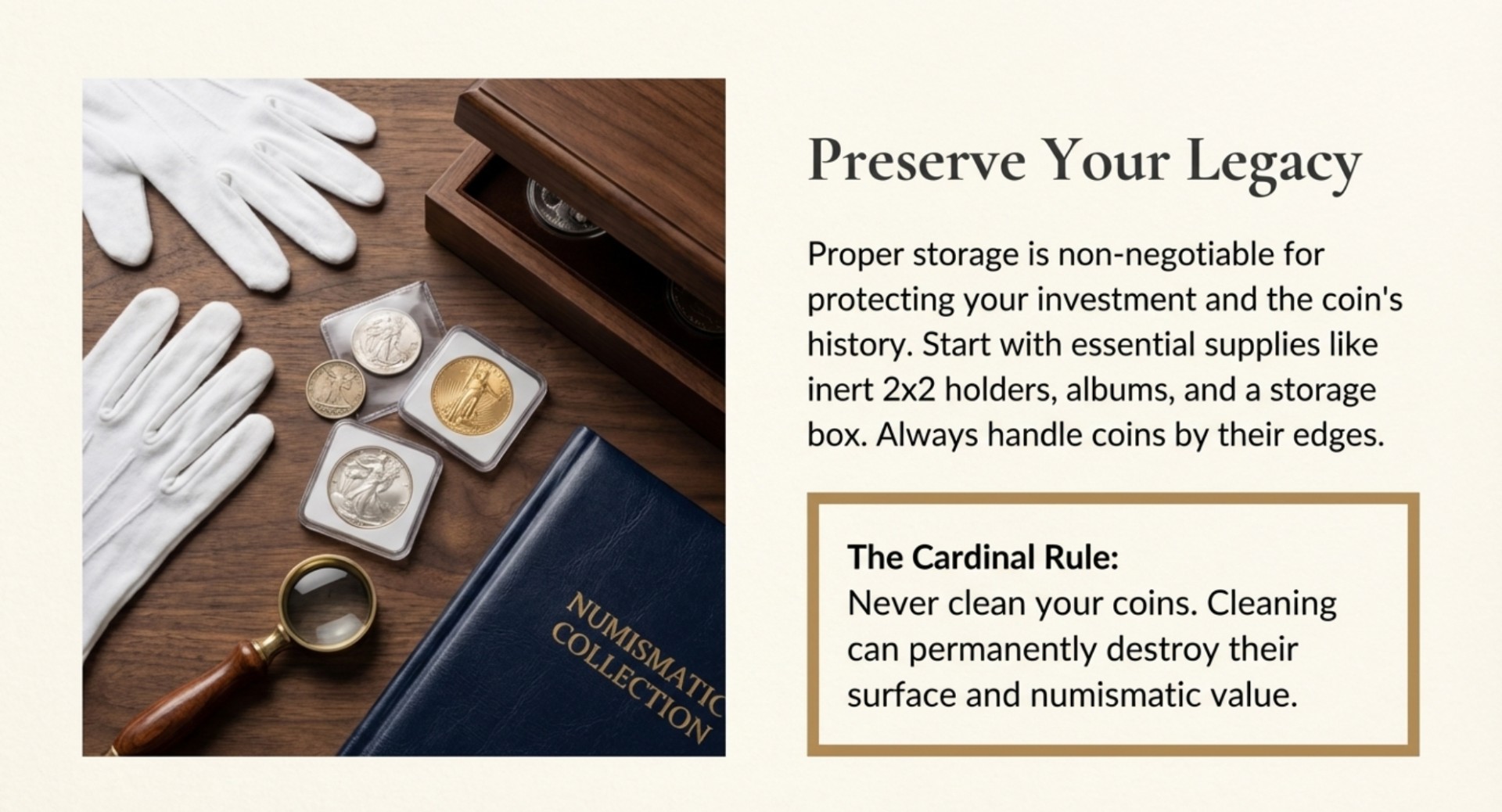
Avoid harsh cleaning or polishing, which can permanently damage surfaces and destroy numismatic value; it is almost always better to store coins safely than to try to “improve” their appearance.
How to avoid common beginner mistakes
Most beginner coin collector mistakes fall into a few predictable categories. These include:
- Buying “rare” or “too good to be true” coins without research.
- Overpaying because of hype or high‑pressure sales.
- Cleaning or polishing coins, which can ruin value.
- Storing coins in damp, PVC‑based, or unstable materials.
You can avoid a lot of frustration by going slow, asking questions, and buying from established dealers instead of random online sellers with no track record. Treat your first year as a learning phase and you will likely enjoy the hobby much more over the long term.

Building your collection over time
Tracking your coins and their value
As your collection grows, it becomes important to track what you own, when you bought it, and roughly what it is worth. Many collectors use a simple spreadsheet, notebook, or digital app to record dates, mint marks, grades, and purchase prices.
Updating values occasionally using price guides, auction results, or dealer insights helps you understand how your collection is evolving. That can be useful for insurance purposes and for planning future purchases or trades.
When to consider professional grading
Professional grading is usually reserved for coins that are either already valuable or have a realistic chance of being worth more in high grade. Examples might include key dates, older gold or silver coins, and pieces you plan to sell or insure at higher values.
Grading services encapsulate coins in tamper‑evident holders with a clear label showing the grade, which can make selling and valuing them easier. Because grading costs money, beginners should generally get a second opinion from a trusted dealer before submitting coins.
How Stout Gold & Silver supports Amarillo coin collectors
A strong local partner can make coin collecting for beginners less intimidating and more enjoyable. Stout Gold & Silver in Amarillo specializes in buying, selling, and trading precious metals, and also takes pride in working with numismatic coins for collectors. The shop carries a range of bullion coins, collectible series, and supplies like coin albums, holders, and display cases to help you build and protect your collection.
Because Stout Gold & Silver is a long‑standing, family‑run business, new collectors can expect patient, straightforward guidance rather than pressure. Whether you want to see different types of coins in person, get a beginner coin guide in conversation form, or have a small collection evaluated, the team is used to working with people at every experience level.

FAQs: quick answers for beginner coin collectors
Q: How do I start coin collecting as a beginner?
A: Start by setting a clear goal and budget, choosing a theme that interests you, and learning basic coin terms before you spend much money. Visiting a reputable Amarillo coin shop to see coins in person and ask questions is one of the fastest ways to get oriented.
Q: Should beginners focus on numismatic coins or bullion?
A: Most beginners are better off starting with a mix of simple bullion coins and common, affordable collector issues while they learn. Numismatic coins can be rewarding but require more knowledge, so it is wise to lean on expert guidance before buying very rare or expensive pieces.
Q: How much money do I need to start coin collecting?
A: You can start coin collecting with a modest budget by focusing on common modern coins, starter sets, or lower‑priced silver pieces. The key is to buy slowly, prioritize learning, and avoid overcommitting to any single expensive coin at the beginning.
Q: What is the difference between a bullion coin and a numismatic coin?
A: A bullion coin is valued mainly for its precious metal content and tracks the market price of that metal plus a small premium. A numismatic coin is valued for rarity, history, condition, and collector demand, so its price can be far above melt value.
Q: How should I store my coins so they do not get damaged?
A: Store coins in albums, holders, or capsules made from inert materials, keep them in a cool, dry place, and handle them by the edges. Avoid cleaning or polishing, which can permanently damage surfaces and reduce numismatic value.
Q: What are the most common mistakes beginner coin collectors make?
A: Common mistakes include buying “rare” coins without research, overpaying, cleaning coins, and using poor storage that leads to scratches or corrosion. Relying on reputable dealers and taking time to learn the basics helps you avoid most of these issues.
Q: Where can I buy coins and coin supplies in Amarillo?
A: Amarillo has local coin and precious metal dealers where you can buy coins, bullion, and collecting supplies, often with in‑person advice. Stout Gold & Silver offers both bullion and collectible coins along with albums, holders, and other essentials for beginner coin collectors in the area.

If you are ready to take the next step, visit Stout Gold & Silver in Amarillo to see coins in person, get beginner‑friendly guidance, and pick up the bullion, numismatic coins, and supplies you need to start your collection with confidence.