A troy ounce is the standard unit used to weigh gold, silver, platinum, and palladium. It equals approximately 31.1035 grams, making it heavier than the regular ounce used for many everyday goods. Understanding this difference helps you compare bullion prices, read product descriptions, and evaluate gold or silver before buying or selling. At Stout Gold & Silver, our family-owned team has helped Amarillo and Texas Panhandle customers understand these details since 1986.

Whether you are a beginning stacker, an experienced investor, a coin collector, or someone sorting through inherited jewelry, the term “troy ounce” will appear often. Here is what it means and why it matters.
What Is a Troy Ounce?
A troy ounce is a precious-metals measurement equal to approximately 31.1035 grams. Gold and silver markets use this unit when quoting prices, listing bullion products, and describing the metal content of coins, rounds, and bars.
The word “troy” refers to the troy-weight system, a traditional measurement system that became associated with precious metals. You do not need to memorize its history to buy confidently; you simply need to know that a troy ounce is not the same as an everyday ounce.
How Much Does a Troy Ounce Weigh?
One troy ounce weighs 31.1034768 grams, usually rounded to 31.1035 grams. This measurement remains the same whether the item is a gold coin, silver round, platinum bar, or hand-poured silver piece.
- 1 troy ounce = 31.1035 grams.
- 1/2 troy ounce = approximately 15.5517 grams.
- 1/4 troy ounce = approximately 7.7759 grams.
- 1 gram = approximately 0.03215 troy ounces.
The U.S. Mint lists precious-metal products using troy-ounce specifications. For example, its bullion coin programs identify one-ounce silver products as containing 1.000 troy ounce, or approximately 31.103 grams, of silver.
Why Is It Called a Troy Ounce?
The name comes from the historical troy-weight system used in precious-metals trade. Over time, the measurement became the accepted standard for weighing and pricing precious metals in global markets.
Troy Ounce vs. Regular Ounce
A troy ounce weighs approximately 31.1035 grams, while a regular avoirdupois ounce is approximately 28.3495 grams. A troy ounce is therefore about 9.7% heavier than a regular ounce.

A regular ounce, also called an avoirdupois ounce, is the unit commonly used for household goods, food, shipping, and other everyday items. It is not the correct unit for calculating the precious-metal content of bullion.
Troy Ounce vs. Avoirdupois Ounce Conversion Table
| Measurement | Weight in grams |
|---|---|
| 1 regular ounce | 28.3495 grams |
| 1 troy ounce | 31.1035 grams |
| 1 gram | 0.03215 troy ounces |
| 1 troy ounce in regular ounces | Approximately 1.097 regular ounces |
This difference may seem small, but it matters when gold and silver are priced by the ounce. Using the wrong ounce can lead to an inaccurate estimate of an item’s metal content or value.
Why the Difference Matters
A household scale may display regular ounces rather than troy ounces, so a reading that looks correct at a glance can still misstate the metal content.
Weight is only one part of an evaluation, however. A professional review may also consider purity, authenticity, condition, rarity, and whether a coin has collector value.
How Much Is a Troy Ounce of Gold Worth?
The weight of a troy ounce of gold is fixed, but its dollar value changes with the current market price. A one-troy-ounce gold coin may be worth the value of its gold content plus a premium for its manufacturing, design, scarcity, or demand.
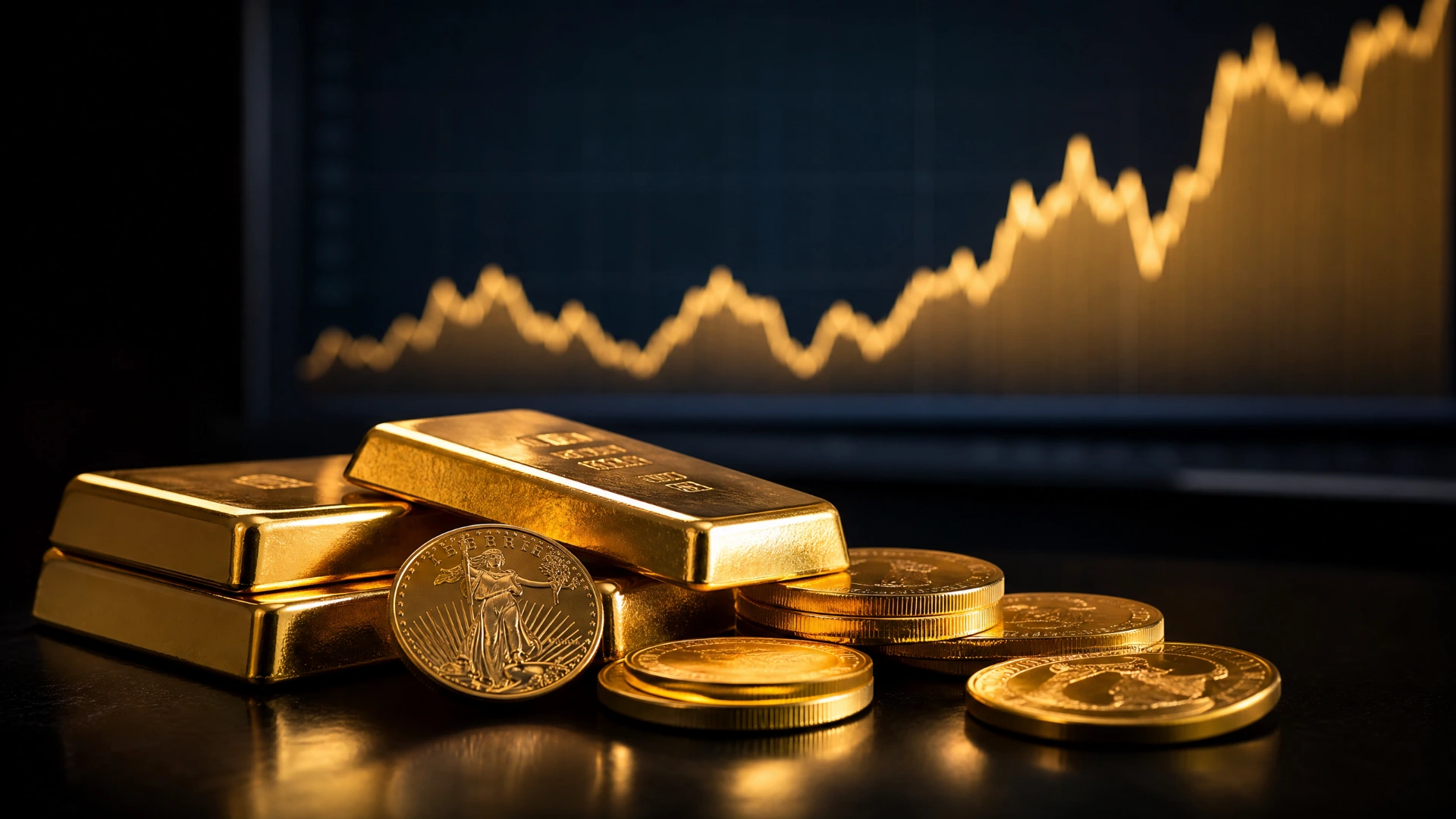
The spot price is the current market reference price for one troy ounce of a precious metal, as tracked in gold spot price data published by major industry sources. Gold prices are commonly quoted in U.S. dollars per troy ounce, so market price charts do not refer to regular household ounces.
Gold Spot Price vs. Retail Price
The retail price is the amount a buyer pays for a physical product. It may be higher than spot because it includes a premium, which is the amount added to a precious-metal item for minting, refining, distribution, dealer costs, design, scarcity, or demand.
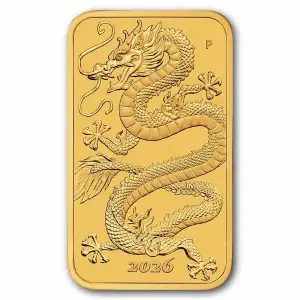
For example, two products may each contain one troy ounce of gold but sell for different prices. A basic bar, a government-issued gold bullion coin, and a limited-edition themed bullion piece may have different premiums even though their stated gold weight is similar.
What Affects the Value of a Gold Item?
A gold item’s value may depend on:
- Its total weight.
- Its purity.
- The current gold spot price.
- Whether it is a bar, bullion coin, jewelry, or collectible coin.
- Its condition, date, mint mark, rarity, and demand.
- Any design, licensing, packaging, or limited-mintage appeal.
Purity is the percentage of precious metal in an item. Gold purity may be shown in karats or fineness; 24-karat gold is considered pure gold, while .999 fine gold contains 999 parts gold out of 1,000.
How Troy Ounces Apply to Silver
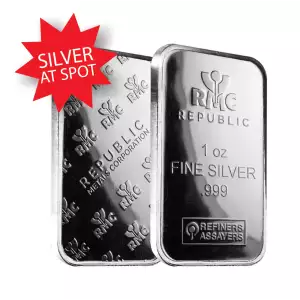
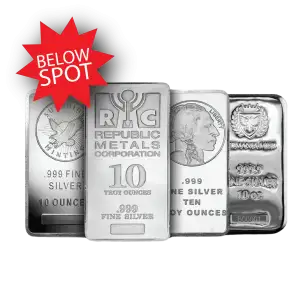
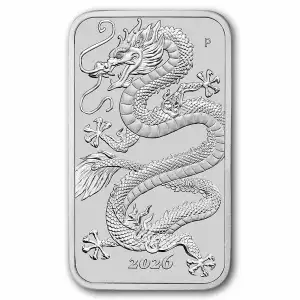
Silver bullion is also commonly weighed and priced in troy ounces. One-troy-ounce silver coins, rounds, bars, and hand-poured silver pieces each contain a stated amount of silver that should be reviewed alongside the item’s purity.
Bullion is precious metal refined and produced primarily for its metal content and market value. Bullion can include bars, rounds, and government-issued coins, while some pieces also carry collectible or artistic value.
One-Troy-Ounce Silver Coins vs. Rounds
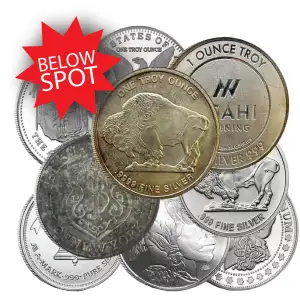
A bullion coin is a precious-metal coin, often issued by a government mint, whose value is primarily connected to its metal content. A round is a privately minted precious-metal piece that resembles a coin but generally does not have a legal-tender face value.
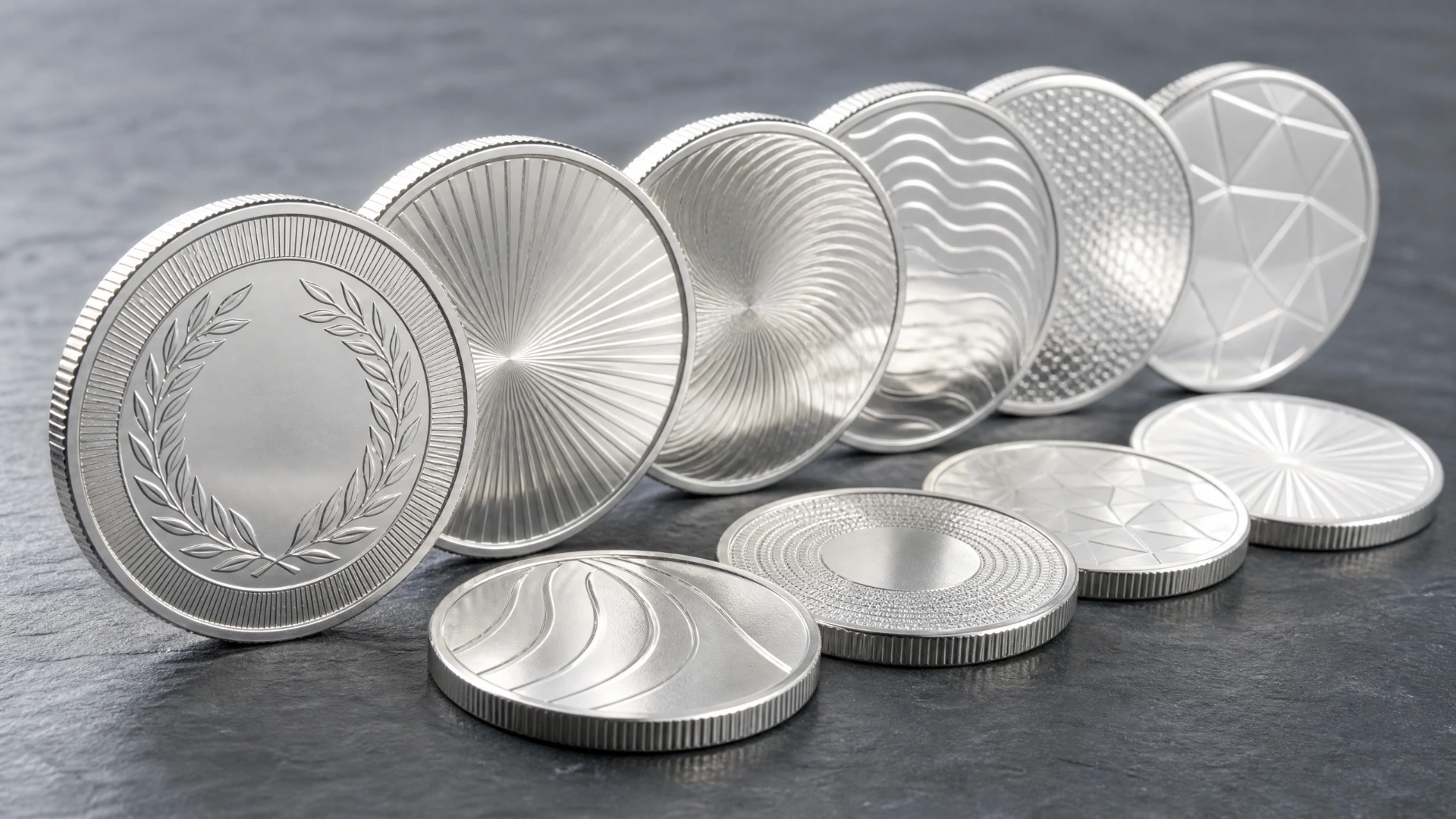
A one-troy-ounce silver round and a one-troy-ounce silver coin may contain the same amount of silver, but their premiums and collectible appeal can differ. The U.S. Mint, for example, lists American Eagle silver products as containing 1.000 troy ounce of 99.9% silver.
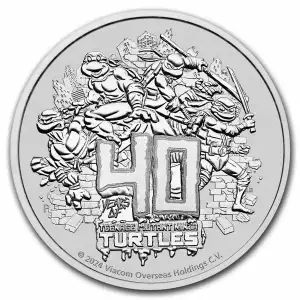
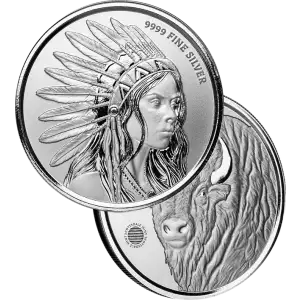
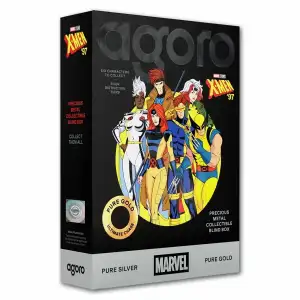
Our themed bullion collection deserves the same careful consideration as any other precious-metal product. Licensed designs based on movies, characters, or popular franchises can offer genuine silver or gold content along with meaningful collectible appeal; the design is an added part of the item’s identity, not a reason to dismiss its metal value.
Does “1 Oz” Always Mean One Troy Ounce?
For gold and silver bullion, “1 oz” generally means one troy ounce. However, buyers should verify the product specifications rather than relying on the label alone.
Check the stated weight, purity, mint or maker, and product description. This is especially important when comparing jewelry, novelty items, collectibles, and bullion from different sources.
Troy Ounces, Purity, and Melt Value
A product’s pure-metal content depends on both its weight and its purity. A one-troy-ounce item does not necessarily contain one full troy ounce of pure gold or silver if it is made from a lower-purity alloy.
Melt value is the approximate market value of the precious-metal content in an item, based on its weight, purity, and current spot price. It does not automatically include collector value, artistic value, or a product premium.
Simple Pure-Metal Calculation
A basic calculation is:
Troy ounces × purity × current spot price = approximate melt value
For example, a one-troy-ounce .999 silver round contains approximately 0.999 troy ounce of pure silver. This calculation provides a useful estimate, but an actual buying or selling price may also reflect testing, market conditions, product demand, and dealer spread.
Gold Karats and Silver Fineness
Gold purity is often expressed in karats. Eighteen-karat gold is 75% gold, while 24-karat gold is approximately pure gold.
Silver purity is commonly expressed as fineness. Sterling silver is typically .925, meaning 925 parts per 1,000 are silver, while fine silver is often .999.
How to Weigh Gold and Silver Correctly
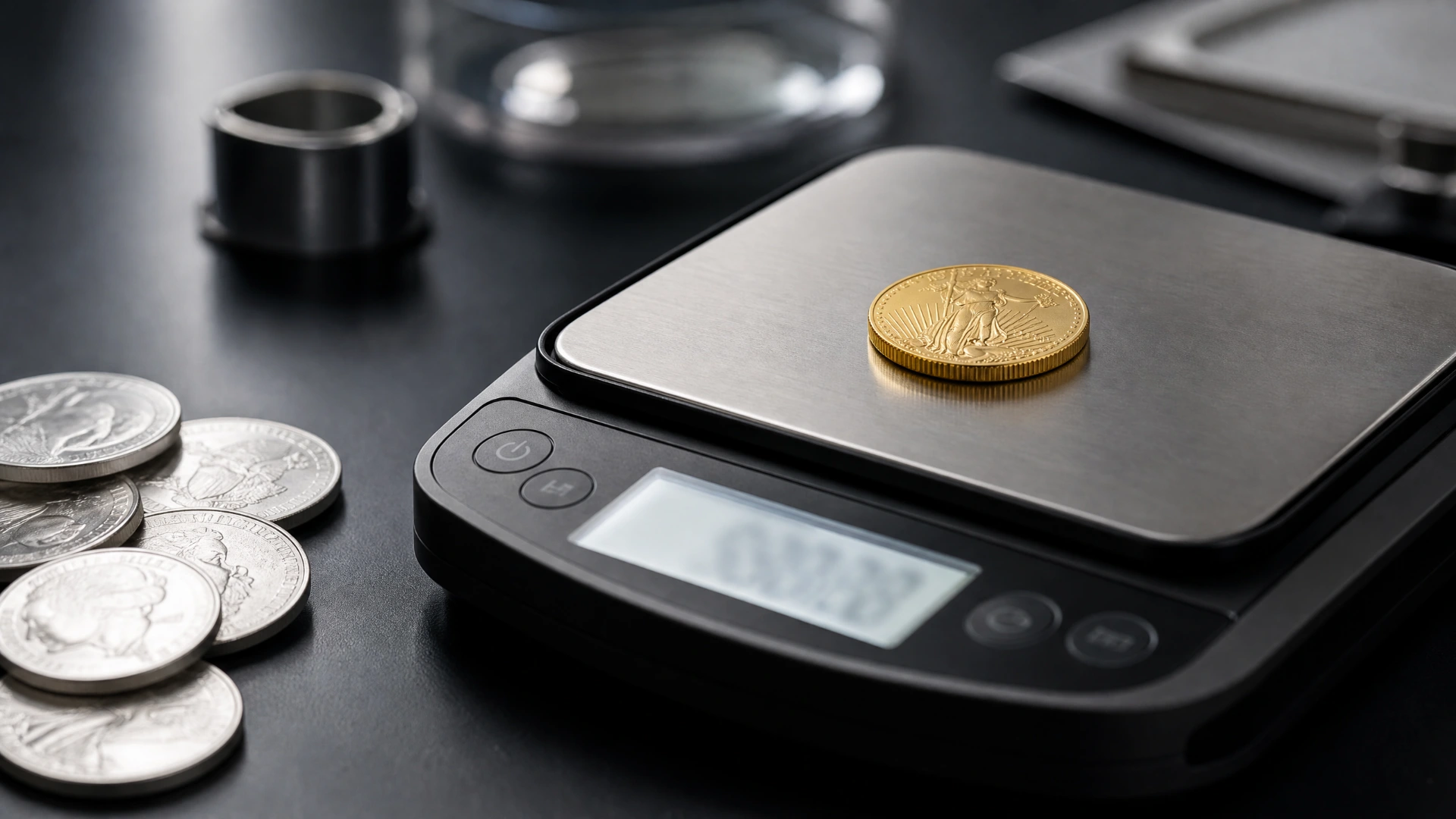
The best way to weigh gold and silver is to use a calibrated scale that displays grams or troy ounces. A regular household scale can be useful for rough measurements, but it may not distinguish between troy and avoirdupois ounces.
A scale cannot confirm authenticity by itself. An item can have the correct weight but still require testing to verify its metal, purity, and composition.
What to Record Before Buying or Selling
Before buying or selling, record the item’s:
- Stated weight.
- Purity mark.
- Product type.
- Mint, maker, or brand.
- Date and mint mark, if it is a coin.
- Condition and packaging.
- Grading or authentication documentation, if available.
A graded coin is a coin that has been examined and assigned a condition grade by a professional grading service. Grading can be especially important for rare or older coins, where condition may significantly affect value.
Why Jewelry Requires Extra Care
Jewelry often includes gemstones, clasps, solder, or other materials that add weight without adding precious-metal value. Its total scale weight should not automatically be treated as the weight of pure gold or silver.
Separate jewelry from bullion and collectible coins when organizing a collection, since gemstones, clasps, and other non-metal materials mean jewelry needs a different kind of review than a straight bullion evaluation.
How Troy Ounces Affect Buying and Selling
Troy ounces help buyers and sellers compare the amount of precious metal in different products. A fair evaluation should explain the item’s weight, purity, spot-price reference, premium, and any additional collector value.
A dealer spread is the difference between the price a dealer charges to sell an item and the price offered to buy it. The spread can vary by product type, market conditions, liquidity, and demand.
Questions to Ask Before Buying
Ask whether the quoted price includes the premium and confirm the product’s exact weight and purity. It is also useful to ask whether the item is a standard bullion product, a collectible coin, or themed bullion with licensed design appeal.
Compare similar products with similar specifications. A one-troy-ounce generic silver round should not be compared directly with a limited-mintage coin or a graded numismatic piece.
Questions to Ask Before Selling
Ask which spot price was used, how the item was weighed and tested, and whether the evaluation considered collector value. A collection may contain bullion, jewelry, rare U.S. coins, and themed pieces, all of which may require different methods of valuation.
Bullion storage is the secure holding of precious-metal products in a protected facility or designated storage arrangement. For people who own more metal than they want to keep at home, our bullion storage services can provide peace of mind while preserving accessibility when they need to review, sell, or transfer their holdings.
Buying or Selling Gold and Silver in Amarillo with Stout Gold & Silver

A local, in-person review can help Amarillo buyers and sellers better understand weight, purity, bullion type, and possible collector value. This is particularly useful when a collection includes inherited coins, older gold, graded material, or items with unclear markings.
Stout Gold & Silver is a family-owned precious-metals business serving Amarillo and the Texas Panhandle since 1986. The team works with bullion investors, collectors, beginning stackers, and people looking to sell gold and silver.
When an In-Person Review Helps
An in-person review is useful when you have mixed items or are unsure whether a coin is worth more than its metal content. Numismatic value is collector value based on factors such as rarity, date, mint mark, condition, authenticity, and demand.
Unlike a generic scrap-gold calculator or a mail-in buyer that may focus primarily on weight and purity, an experienced local review can separate bullion, jewelry, rare coins, graded pieces, and themed bullion before assigning value. That distinction may help you understand whether an item should be evaluated for melt value, resale demand, or collector appeal.
At Stout Gold & Silver, the team can examine the items directly, explain how the evaluation works, and answer questions before you decide whether to sell. Professional grading services such as PCGS and NGC can help authenticate and describe collectible coins, but not every coin needs to be submitted for grading.
Online Options for Nonlocal Buyers
Customers outside the area can browse the online store for gold, silver, themed bullion, coins, bars, rounds, and hand-poured silver. Orders over $199.99 qualify for free shipping, subject to the store’s current shipping terms.
The online store can be a convenient starting point for comparing sizes and product types. Customers who need help choosing between standard bullion and collectible pieces can also prepare a want list before contacting the team.
Troy Ounce Checklist for Beginners
As a quick recap, the core details to confirm are unit (troy vs. regular ounce), weight, purity, product type, and spot-price reference — covered in detail above.
Beyond that, keep your collection organized: group bullion, jewelry, rare coins, and themed pieces separately, and have receipts, packaging, and grading documents on hand before requesting an evaluation.
Frequently Asked Questions
What is a troy ounce?
A: A troy ounce is a precious-metals measurement equal to approximately 31.1035 grams. Gold, silver, platinum, and palladium are commonly weighed and priced using troy ounces.
How much does a troy ounce of gold weigh?
A: A troy ounce of gold weighs approximately 31.1035 grams. Its weight does not change when the market price of gold rises or falls.
How much is a troy ounce of gold worth?
A: A troy ounce of gold is worth the current gold spot price plus or minus factors such as purity, product type, premium, and collector demand. A physical coin or bar may sell for more than spot because of its production and distribution costs.
What is the difference between a troy ounce and a regular ounce?
A: A troy ounce weighs approximately 31.1035 grams, while a regular ounce weighs approximately 28.3495 grams. This difference matters because precious metals are priced by troy weight.
How many regular ounces are in a troy ounce?
A: One troy ounce equals approximately 1.097 regular ounces. Converting between the two systems incorrectly can lead to an inaccurate value estimate.
How many grams are in a troy ounce of silver?
A: One troy ounce of silver equals approximately 31.1035 grams. The same troy-ounce weight applies to gold, silver, platinum, and palladium.
Does “1 oz” on a gold or silver coin mean one troy ounce?
A: “1 oz” on a bullion product generally means one troy ounce. Check the item’s full specifications to confirm its weight, purity, and metal content.
How do I calculate the melt value of gold or silver?
A: Multiply the item’s troy-ounce weight by its purity and the current spot price. This estimates metal value but may not include collector value, premiums, or the final buying offer.
Should I weigh gold and silver in grams or ounces?
A: Weigh gold and silver in grams or troy ounces using a properly calibrated scale. Avoid assuming that a household scale’s ounce setting uses troy weight.
Can a coin be worth more than its gold or silver weight?
A: Yes, a coin can be worth more than its melt value because of numismatic value. Rarity, condition, authenticity, date, mint mark, and collector demand can all affect the final price.
Where can I sell gold and silver in Amarillo, Texas?
A: You can bring gold, silver, bullion, jewelry, and coins to Stout Gold & Silver for an in-person review in Amarillo. The store is located at 2300 SW 7th Ave, Amarillo, TX 79106, and the phone number is (806) 374-8698.
Can I get a gold or coin appraisal in Amarillo?
A: Yes, you can request an evaluation of gold, silver, bullion, jewelry, and coins at Stout Gold & Silver in Amarillo. The review may consider weight, purity, authenticity, condition, grading, collector demand, and current market conditions rather than melt value alone. The team can also help distinguish items best evaluated as bullion from coins that may have additional numismatic value.
Visit Us or Shop Online
If you are buying, selling, or sorting through a collection, the team at Stout Gold & Silver can help you understand how troy ounces, purity, premiums, and collector value fit together. Visit us at 2300 SW 7th Ave, Amarillo, TX 79106, call (806) 374-8698, or browse the online store for gold and silver products with free shipping on orders over $199.99.
The physical store is open Monday through Friday from 10:00 AM to 4:00 PM and is closed Saturday and Sunday. The location offers a personal option for Amarillo and Texas Panhandle customers, while the online store serves buyers nationwide.